
Charles Péguy
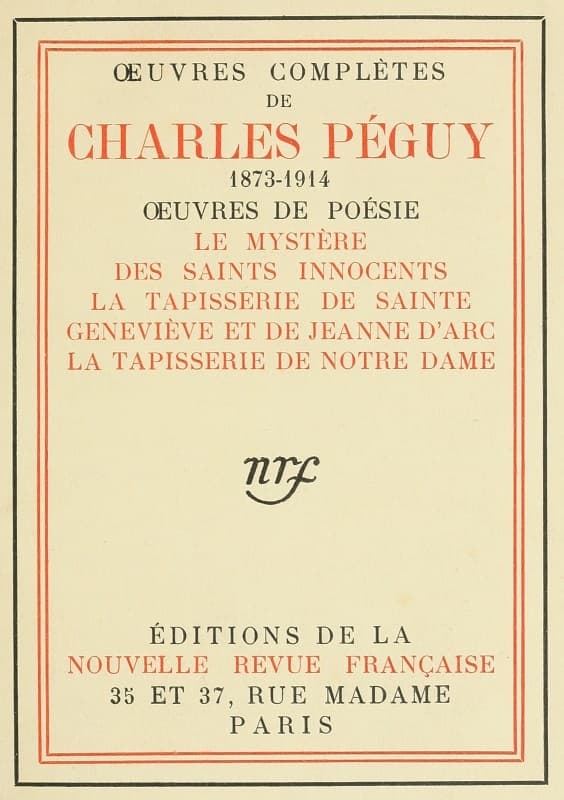
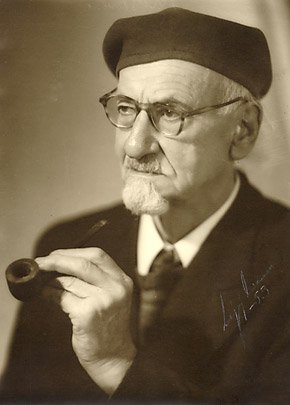
Charles Péguy was a French poet, essayist, and editor known for his passionate and innovative works that combined elements of philosophy, politics, and spirituality. Born in Orléans, Péguy was deeply influenced by his Catholic faith and the tumultuous socio-political landscape of France in the late 19th and early 20th centuries. His early life was marked by a strong commitment to social justice and a belief in the transformative power of faith, which would permeate his writing. Péguy's literary career began with poetry, but he later expanded into essays and plays, showcasing his unique ability to blend lyrical beauty with profound philosophical inquiry. Among his most notable works are 'The Portal of the Mystery of Hope' and 'The Mystery of the Charity of Joan of Arc,' where he explored themes of faith, hope, and the moral complexities of human existence. Péguy's style was characterized by a rhythmic, incantatory quality that reflected his belief in the power of language to evoke deeper truths. His writings often challenged contemporary political ideologies, advocating for a return to spiritual values in a rapidly modernizing world. Péguy's legacy endures as a precursor to modernist literature, influencing writers and thinkers who grappled with the intersection of faith and reason, and his works continue to be studied for their rich philosophical and theological insights.
Famous Quotes
View all 15 quotes“A word is not the same with one writer as it is with another. One tears it from his guts. The other pulls it out of his overcoat pocket.””
“We must always tell what we see. Above all, and this is more difficult, we must always see what we see.””
“It will never be known what acts of cowardice have been committed for fear of not looking sufficiently progressive.””
Books from the author








Link to this page
Add a free, dofollow link to Lex on your blog, forum, syllabus, or reading list.

<a href="https://lex-books.com/author/charles-péguy"><img src="https://lex-books.com/badges/read-on-lex.svg" alt="Charles Péguy on Lex" width="160" height="40"></a>[](https://lex-books.com/author/charles-péguy)[url=https://lex-books.com/author/charles-péguy][img]https://lex-books.com/badges/read-on-lex.svg[/img][/url]Charles Péguy on Lex: https://lex-books.com/author/charles-péguy