Charles G. Davis
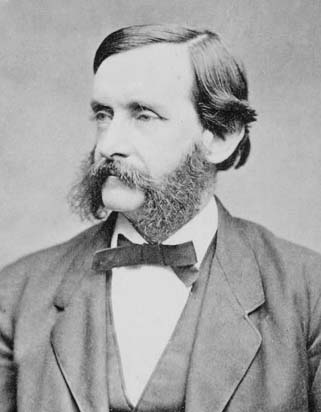
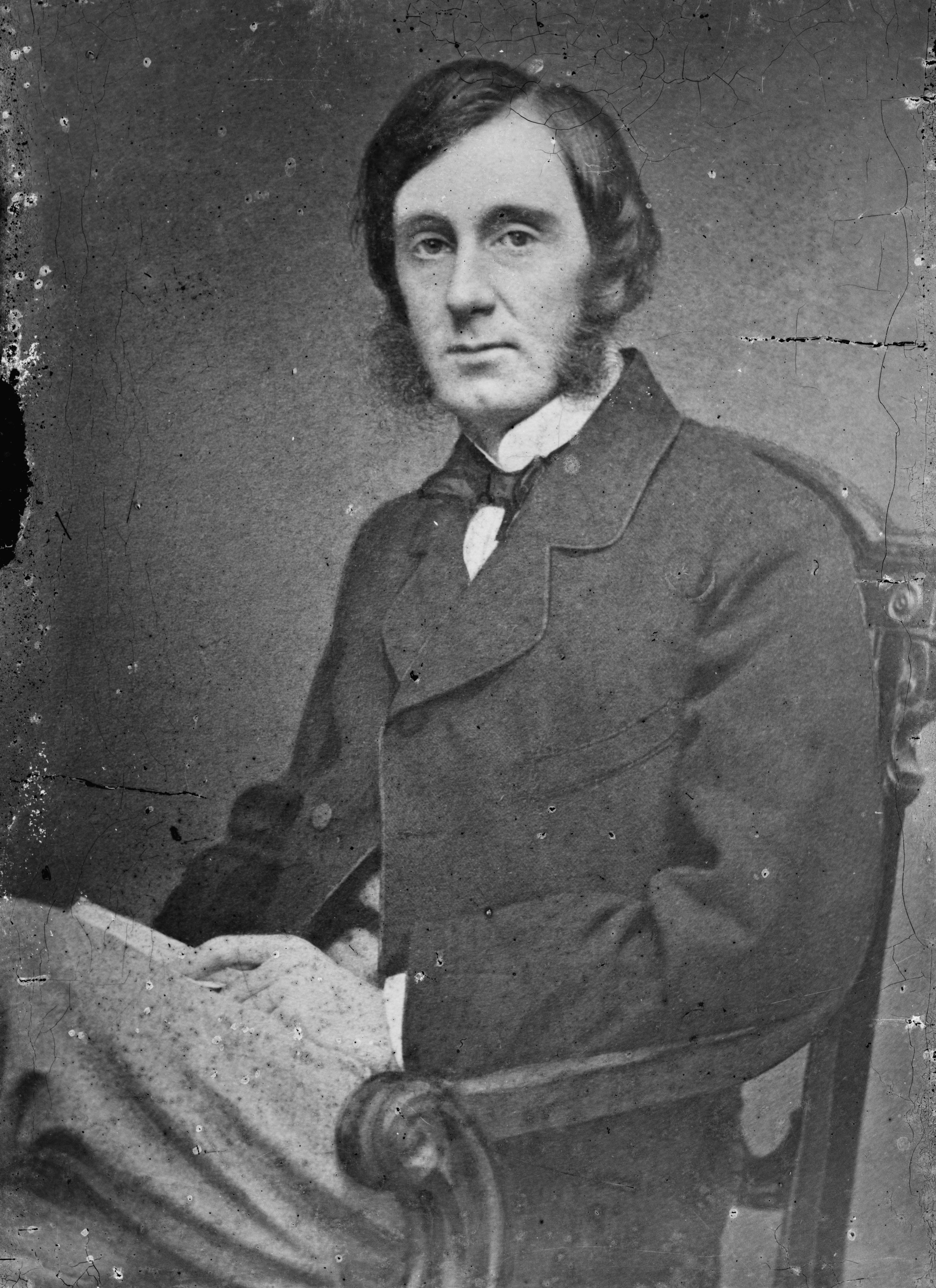
Charles G. Davis was an American lawyer and abolitionist known for his staunch opposition to slavery and his involvement in the Underground Railroad. He gained notoriety for his legal defense of individuals accused of aiding fugitive slaves, a dangerous and controversial stance during a time when the Fugitive Slave Act of 1850 imposed severe penalties on those who assisted escaped slaves. His most notable work, 'Report of the Proceedings at the Examination of Charles G. Davis, Esq., on the Charge of Aiding and Abetting in the Rescue of a Fugitive Slave,' documents his own legal challenges and the broader implications of the abolitionist movement in the United States. This report not only highlights the legal battles faced by abolitionists but also serves as a testament to Davis's commitment to justice and human rights. Davis's legacy is intertwined with the early abolitionist movement, representing the moral and legal complexities of the era. His writings provide valuable insight into the legal arguments surrounding slavery and the efforts of those who fought against it. By standing up for the rights of fugitive slaves, Davis contributed to the growing discourse on civil liberties and social justice, influencing future generations of activists and legal reformers. His work remains a significant part of the historical narrative surrounding the fight for abolition and the ongoing struggle for equality in America.
Books from the author






Link to this page
Add a free, dofollow link to Lex on your blog, forum, syllabus, or reading list.

<a href="https://lex-books.com/author/charles-g-davis"><img src="https://lex-books.com/badges/read-on-lex.svg" alt="Charles G. Davis on Lex" width="160" height="40"></a>[](https://lex-books.com/author/charles-g-davis)[url=https://lex-books.com/author/charles-g-davis][img]https://lex-books.com/badges/read-on-lex.svg[/img][/url]Charles G. Davis on Lex: https://lex-books.com/author/charles-g-davis