
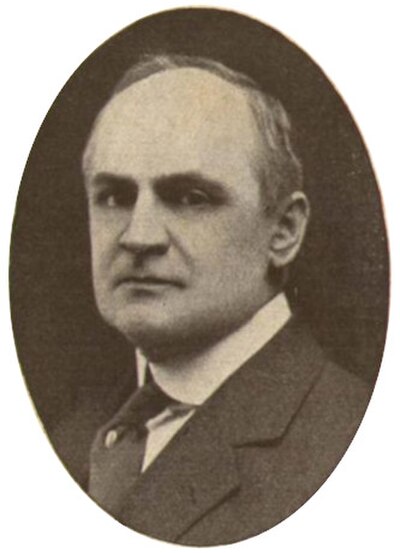
Charles Edward Jefferson
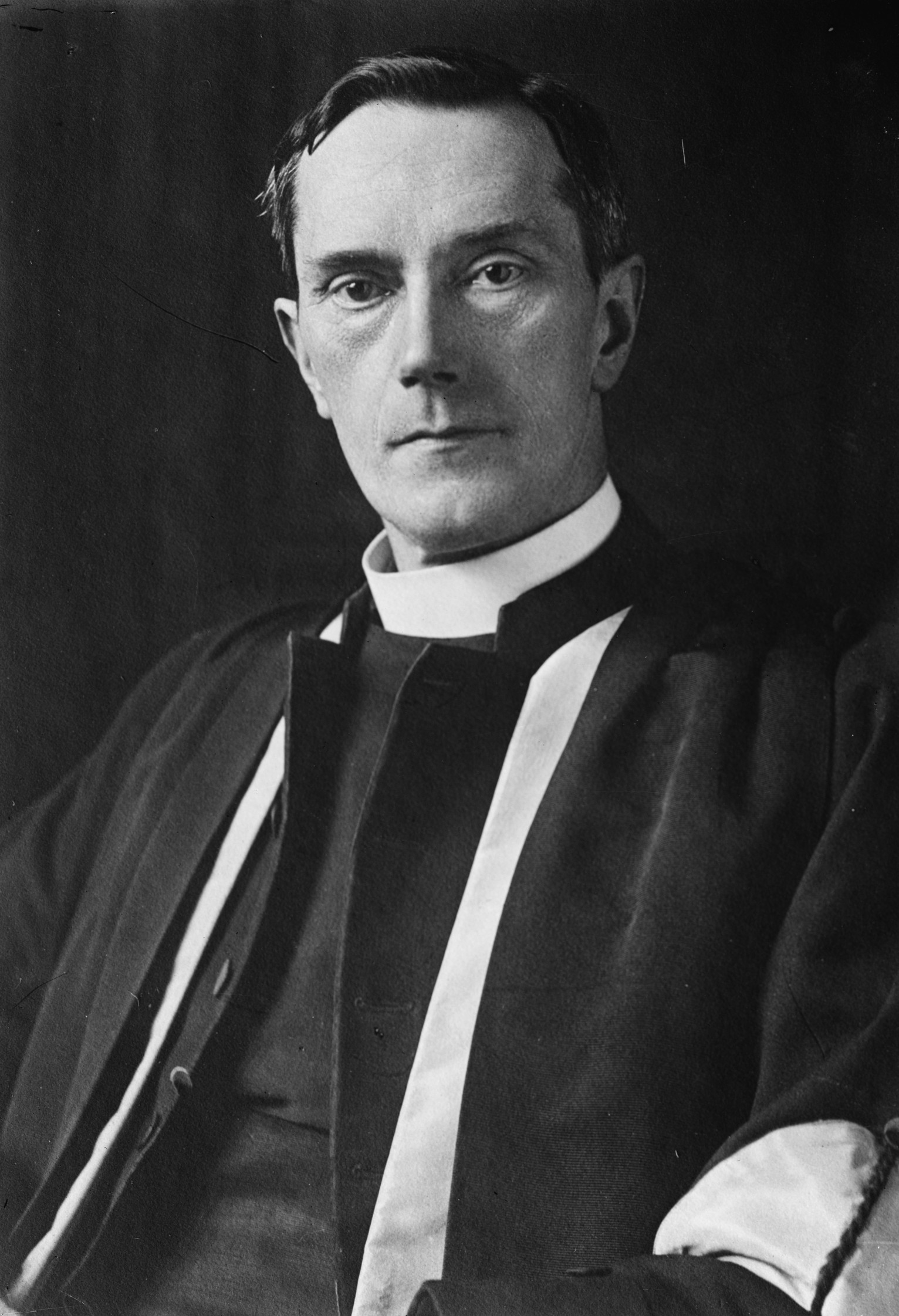
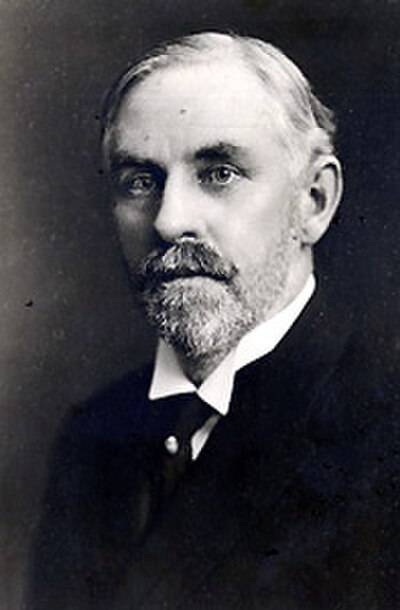
Charles Edward Jefferson was an influential American Congregational clergyman known for his impactful sermons and writings that emphasized the importance of faith in everyday life. He served as the pastor of the Broadway Tabernacle in New York City for over three decades, where he became a prominent figure in the religious community. Jefferson's preaching style was characterized by its clarity and emotional resonance, allowing him to connect deeply with his congregation and beyond. Among his notable works are 'The Character of Jesus' and 'The Minister and His Message,' which reflect his theological insights and commitment to social issues. Jefferson's writings often addressed the moral and ethical challenges of his time, advocating for a faith that actively engages with the world. His legacy endures through his contributions to American religious thought and his role in shaping the modern Congregational Church, making him a key figure in the intersection of faith and social responsibility in the early 20th century.
Famous Quotes
View all 3 quotes“There is a feeling now prevalent that it is unwise for a man to confine himself to anyone religion or anyone particular statement of belief. It is better — so men say — not to pin your faith to the sleeve of anyone idea or truth, but hold yourself in readiness to accept every idea which may come your way. Keep the windows and doors of your mind wide open and let everything blow through which the winds may be able to catch up, but do not settle down upon any definite conceptions of God or the soul, of duty or destiny, because in so doing you narrow yourself and may ultimately degenerate into a bigot. With this sort of philosophy Jesus of Nazareth had no sympathy.”
“although nineteen centuries have swept away almost everything which was believed and taught in Jesus’ day, his ideas are still alive and the very words in which they are expressed seem destined to outlive the stars.”
“Close contact with the harsh world often makes the heart hard. Misunderstanding and ingratitude when long continued have a tendency to dry up the springs of the soul. Some men are turned to flint by suffering. It was not so with Paul. Tears are often in his eyes, because there is a divine tenderness in his heart.”
Books from the author





Link to this page
Add a free, dofollow link to Lex on your blog, forum, syllabus, or reading list.

<a href="https://lex-books.com/author/charles-edward-jefferson"><img src="https://lex-books.com/badges/read-on-lex.svg" alt="Charles Edward Jefferson on Lex" width="160" height="40"></a>[](https://lex-books.com/author/charles-edward-jefferson)[url=https://lex-books.com/author/charles-edward-jefferson][img]https://lex-books.com/badges/read-on-lex.svg[/img][/url]Charles Edward Jefferson on Lex: https://lex-books.com/author/charles-edward-jefferson