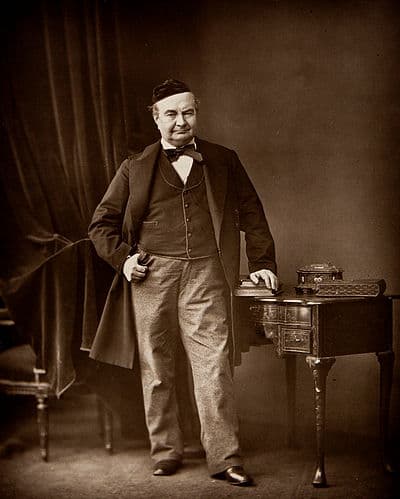
Charles Augustin Sainte-Beuve
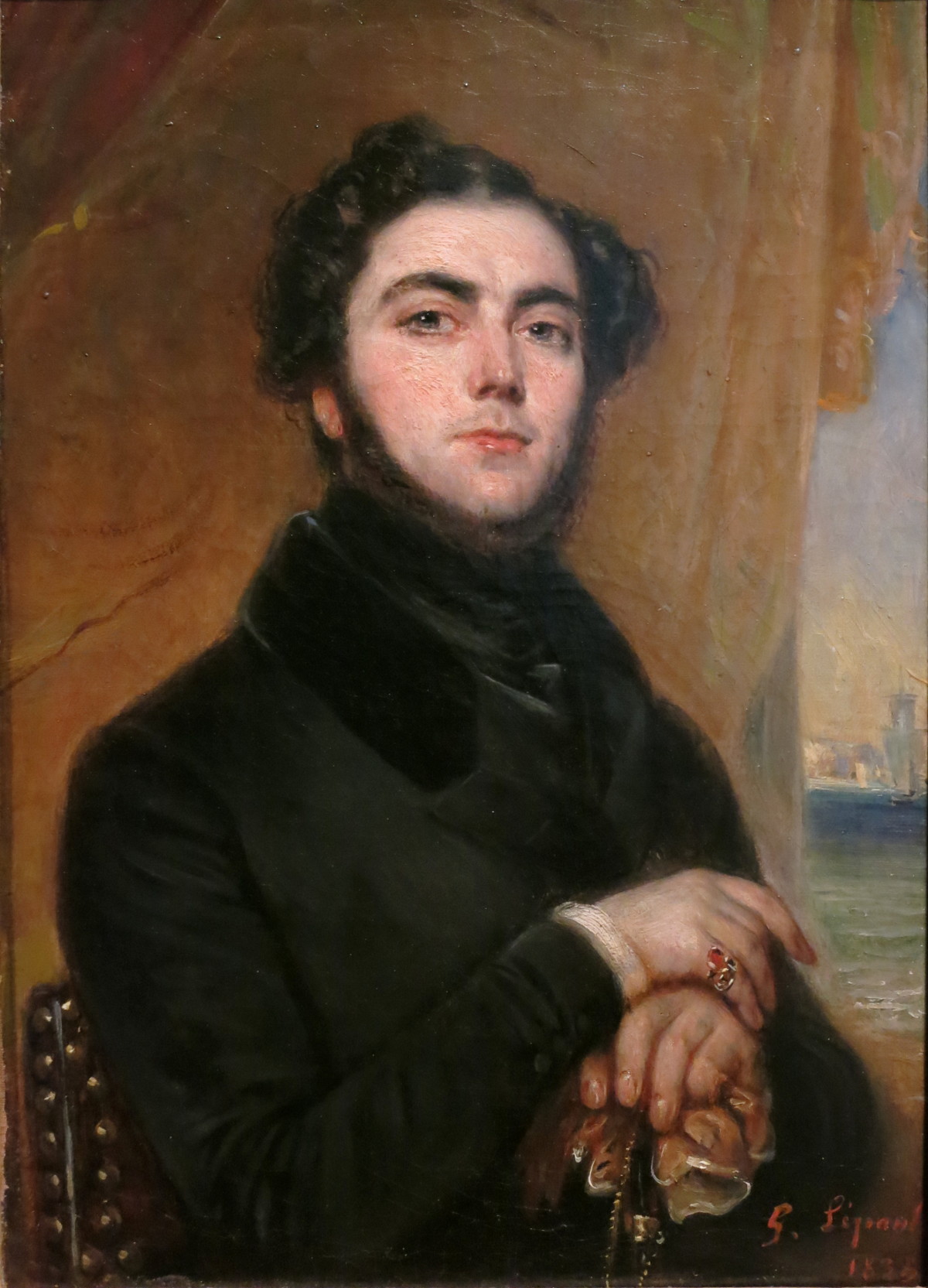
Charles Augustin Sainte-Beuve was a prominent French literary critic whose work significantly influenced the landscape of 19th-century literature. Born in 1804, he initially pursued a career in medicine before turning to literature and criticism. Sainte-Beuve became known for his insightful analyses of literary works and authors, particularly through his series of essays published in 'Les Lundis' and 'Portraits contemporains.' His approach combined biographical details with critical analysis, setting a precedent for modern literary criticism and establishing him as a key figure in the intellectual life of his time. Sainte-Beuve's contributions extended beyond mere criticism; he engaged deeply with the works of his contemporaries, including Victor Hugo, Alfred de Musset, and Gustave Flaubert. His emphasis on the importance of the author's life and context in understanding their work was innovative and sparked discussions that would shape literary criticism for generations. Despite facing criticism for his sometimes subjective approach, Sainte-Beuve's legacy endures as he laid the groundwork for future critics and scholars, making him a pivotal figure in the evolution of literary studies in France and beyond.
Famous Quotes
View all 3 quotes“For true love is inexhaustible; the more you give, the more you have. And if you go to draw at the true fountainhead, the more water you draw, the more abundant is its flow.”
“Tell me who loves, who admires you, and I will tell you who you are.”
“Each man must look to himself to teach him the meaning of life. It is not something discovered: it is something molded.”
Books from the author




Link to this page
Add a free, dofollow link to Lex on your blog, forum, syllabus, or reading list.

<a href="https://lex-books.com/author/charles-augustin-sainte-beuve"><img src="https://lex-books.com/badges/read-on-lex.svg" alt="Charles Augustin Sainte-Beuve on Lex" width="160" height="40"></a>[](https://lex-books.com/author/charles-augustin-sainte-beuve)[url=https://lex-books.com/author/charles-augustin-sainte-beuve][img]https://lex-books.com/badges/read-on-lex.svg[/img][/url]Charles Augustin Sainte-Beuve on Lex: https://lex-books.com/author/charles-augustin-sainte-beuve