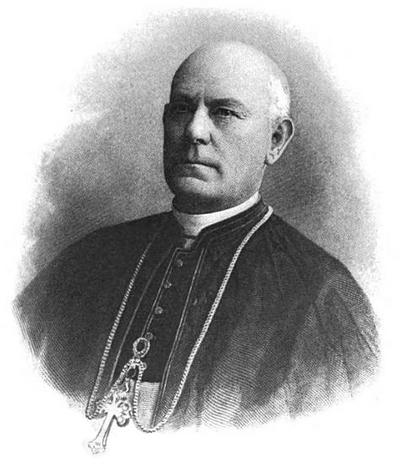
Charles Almanzo Babcock
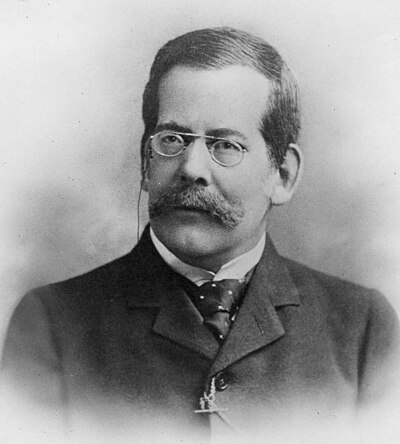
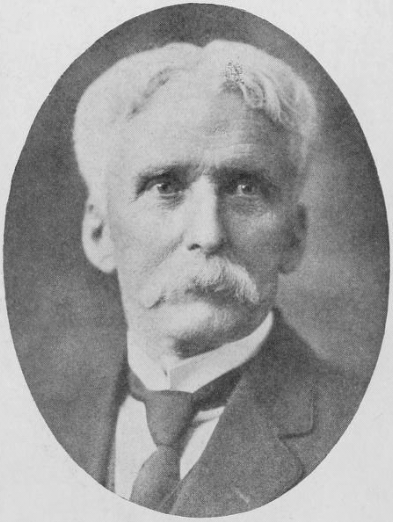
Charles Almanzo Babcock was an influential figure in the late 19th century, serving as the superintendent of schools in Oil City, Pennsylvania. His most notable contribution to education was the establishment of Bird Day, a celebration aimed at fostering an appreciation for birds among schoolchildren. The inaugural Bird Day was celebrated on May 4, 1894, in Oil City, and by 1901, it had gained widespread acceptance across American schools, highlighting Babcock's commitment to integrating nature and environmental awareness into the educational curriculum. Babcock's initiative not only reflected the growing interest in conservation during his time but also underscored the importance of experiential learning in education. His efforts contributed to a broader movement that recognized the value of nature in the educational experience, influencing generations of students and educators alike. His legacy is particularly significant in the context of early environmental education, as Bird Day continues to be celebrated in various forms today, demonstrating the lasting impact of his vision on American schooling and environmental consciousness.
Famous Quotes
View all 4 quotes“given with glaring pride. They had a robust preference to inform what that they””
Books from the author


Link to this page
Add a free, dofollow link to Lex on your blog, forum, syllabus, or reading list.

<a href="https://lex-books.com/author/charles-almanzo-babcock"><img src="https://lex-books.com/badges/read-on-lex.svg" alt="Charles Almanzo Babcock on Lex" width="160" height="40"></a>[](https://lex-books.com/author/charles-almanzo-babcock)[url=https://lex-books.com/author/charles-almanzo-babcock][img]https://lex-books.com/badges/read-on-lex.svg[/img][/url]Charles Almanzo Babcock on Lex: https://lex-books.com/author/charles-almanzo-babcock