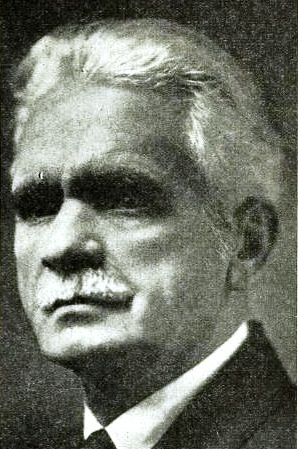
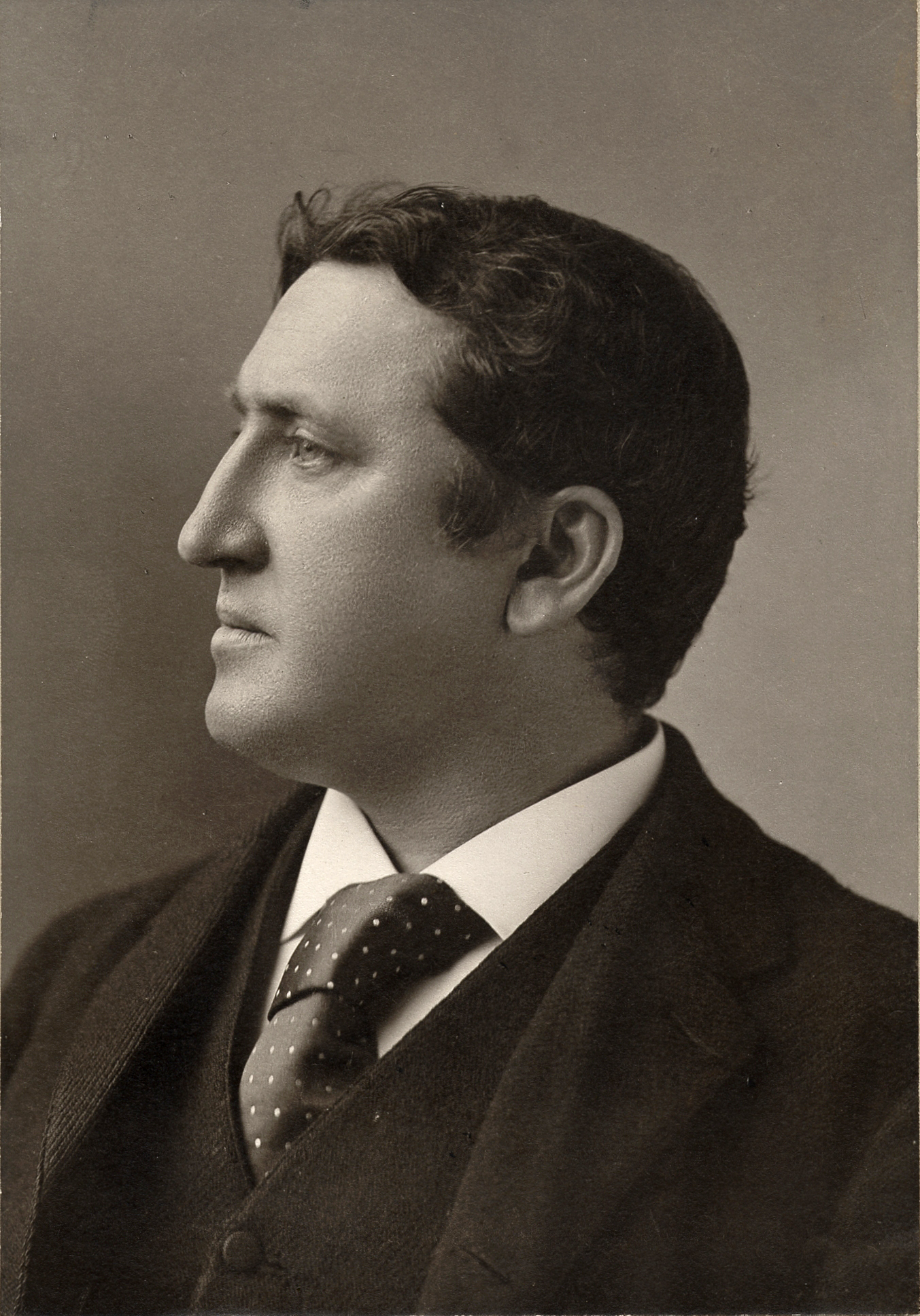
Charles A. Conant
Charles A. Conant was an American economist, author, and journalist known for his influential writings on finance and monetary policy in the late 19th and early 20th centuries. Born in 1861, he became a prominent figure in discussions surrounding the gold standard and the economic implications of U.S. monetary policy. Conant's work often reflected a deep understanding of the complexities of international finance, and he was particularly noted for his advocacy of the gold standard as a stabilizing force in the economy. His book, "The History and Problems of Banking in the United States," published in 1909, is considered a significant contribution to the field, offering insights into the banking system and its evolution during a transformative period in American economic history. In addition to his scholarly contributions, Conant served as a financial journalist, writing for various publications and providing analysis that shaped public discourse on economic issues. His perspectives on banking and finance were influential during a time when the United States was grappling with economic instability and the challenges of modernization. Conant's legacy lies in his ability to articulate the complexities of monetary policy and its impact on society, making him a key figure in the development of economic thought in America during his lifetime.
Famous Quotes
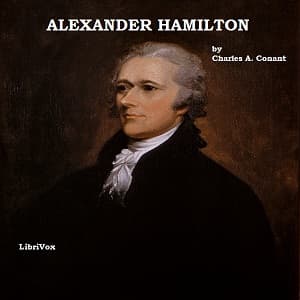
View all 2 quotes“A great meeting was held in the "Fields" [1] (July 6, 1774), to force the hand of the Tory Assembly in the matter of joining the other colonies in calling a Congress. Hamilton attended, and after listening to the speeches was so strongly impressed with what was left unsaid that he worked his way to the platform and began an impassioned argument for the colonial side. Below the normal stature and of slender form, he looked even younger than his seventeen years, but was recognized by the crowd as a collegian and received with great enthusiasm.””
“In a letter to Gouverneur Morris (February 27, 1802), he drops into the following gloomy forebodings:”
Books from the author





Link to this page
Add a free, dofollow link to Lex on your blog, forum, syllabus, or reading list.

<a href="https://lex-books.com/author/charles-a-conant"><img src="https://lex-books.com/badges/read-on-lex.svg" alt="Charles A. Conant on Lex" width="160" height="40"></a>[](https://lex-books.com/author/charles-a-conant)[url=https://lex-books.com/author/charles-a-conant][img]https://lex-books.com/badges/read-on-lex.svg[/img][/url]Charles A. Conant on Lex: https://lex-books.com/author/charles-a-conant