An Economic Interpretation of the Constitution of the United States
1913
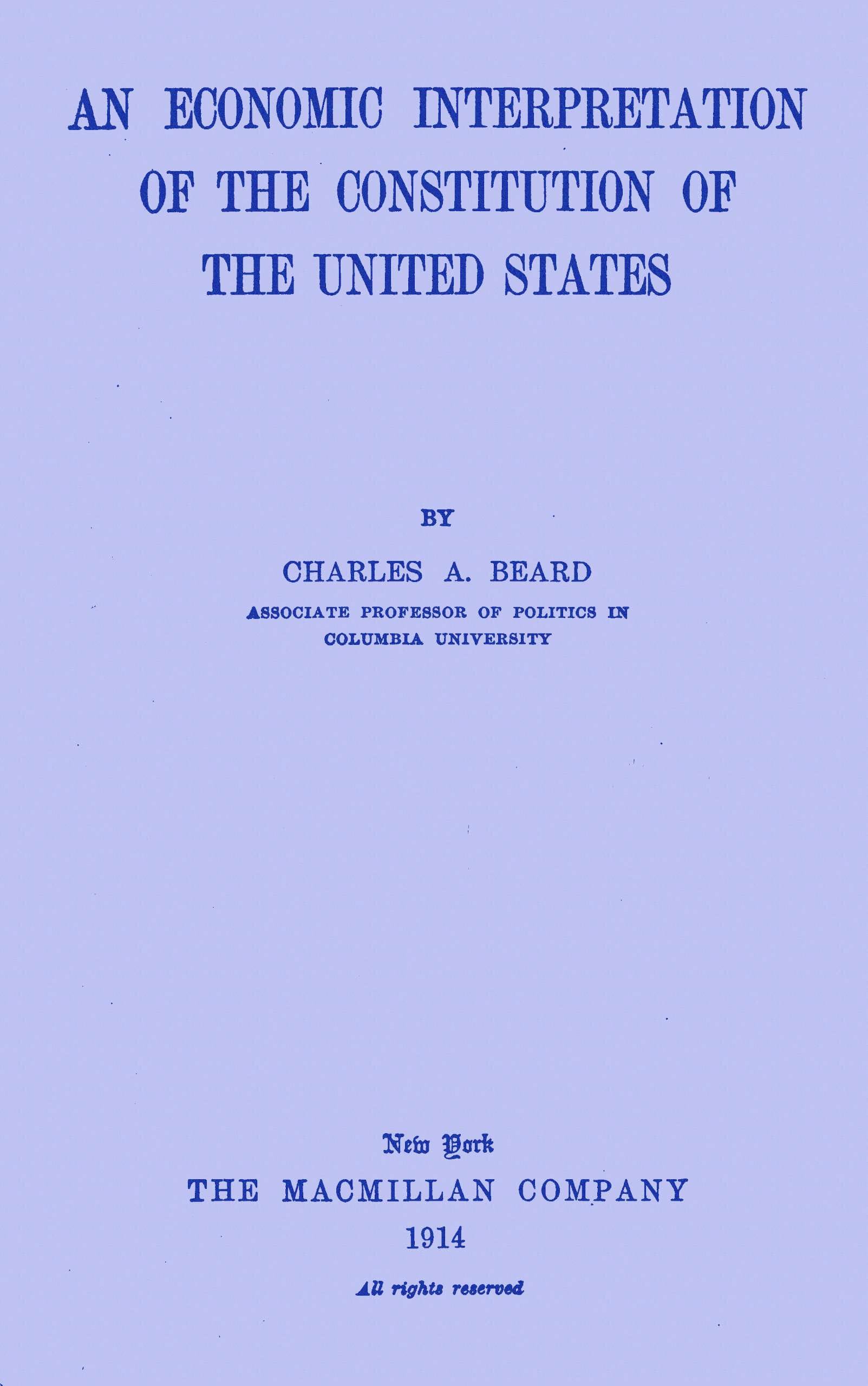
An Economic Interpretation of the Constitution of the United States
1913
In 1913, a historian dared to ask what earlier Americans would not: were the Founders idealists or investors? Charles A. Beard's explosive argument stripped the Constitution of its sacred rhetoric and examined it as what it truly was: a financial instrument designed to protect the property interests of the men who wrote it. By tracing the economic backgrounds of the delegates to Philadelphia, mapping the class conflicts of the 1780s, and analyzing how structures like the electoral college and Senate served to check democratic impulses while securing elite control, Beard applied class analysis to American history for the first time. The book ignited a firestorm. It was praised, condemned, and ultimately became impossible to ignore. Scholars have since challenged Beard's evidence and selective use of sources, yet no serious examination of the Constitution's origins can pretend his questions never existed. For readers who suspect the Founders were more complicated than marble statues, this remains the book that cracked the pedestal.
Editions
Link to this book
Add a free, dofollow link to Lex on your blog, forum, syllabus, or reading list.

<a href="https://lex-books.com/book/an-economic-interpretation-of-the-constitution-of-the-united-states-2b545158-cfa9-4c96-85b0-ef68a706aafc"><img src="https://lex-books.com/badges/read-on-lex.svg" alt="Read An Economic Interpretation of the Constitution of the United States by Charles A. Beard free on Lex" width="160" height="40"></a>[](https://lex-books.com/book/an-economic-interpretation-of-the-constitution-of-the-united-states-2b545158-cfa9-4c96-85b0-ef68a706aafc)[url=https://lex-books.com/book/an-economic-interpretation-of-the-constitution-of-the-united-states-2b545158-cfa9-4c96-85b0-ef68a706aafc][img]https://lex-books.com/badges/read-on-lex.svg[/img][/url]Read An Economic Interpretation of the Constitution of the United States by Charles A. Beard free on Lex: https://lex-books.com/book/an-economic-interpretation-of-the-constitution-of-the-united-states-2b545158-cfa9-4c96-85b0-ef68a706aafcCite this book
Reading this edition for a paper or guide? Copy a citation.
Beard, Charles A.. An Economic Interpretation of the Constitution of the United States. Lex, lex-books.com/book/an-economic-interpretation-of-the-constitution-of-the-united-states-2b545158-cfa9-4c96-85b0-ef68a706aafc.Beard, C. A. (1913). An Economic Interpretation of the Constitution of the United States. Lex. https://lex-books.com/book/an-economic-interpretation-of-the-constitution-of-the-united-states-2b545158-cfa9-4c96-85b0-ef68a706aafcBeard, Charles A.. An Economic Interpretation of the Constitution of the United States. Lex. https://lex-books.com/book/an-economic-interpretation-of-the-constitution-of-the-united-states-2b545158-cfa9-4c96-85b0-ef68a706aafc.