Ch. Wilhelm
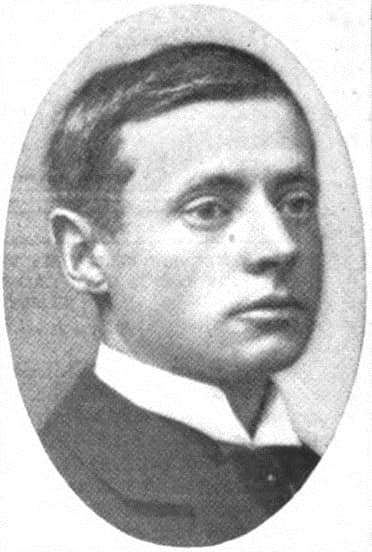
William John Charles Pitcher, known as Ch. Wilhelm, was an influential English artist and designer celebrated for his innovative contributions to the world of theatrical design. Born in 1858, he became renowned for his work in costume and scenery design, particularly for ballets, pantomimes, comic operas, and Edwardian musical comedies. His artistic vision and attention to detail helped to elevate the visual storytelling of performances during a vibrant period in British theatre, making him a key figure in the evolution of stage design. Wilhelm's designs were characterized by their whimsical and imaginative qualities, which not only enhanced the narratives of the productions but also captivated audiences with their visual splendor. His work in productions such as 'The Merry Widow' and various pantomimes left a lasting impact on the theatrical landscape, influencing future generations of designers. Wilhelm's legacy is marked by his ability to blend artistry with performance, creating an immersive experience that defined the era's theatrical aesthetic.
Famous Quotes
View all 1 quotes“This weak creature is now put in an environment full of dangers, full of all kinds of strong forces. But still the Tiger does not bite the man. The judgment says, 'Treading upon the tail of the tiger. It does not bite the man. Success.' This is based on the yearly image, because the great tiger on heaven is representative of cosmis, overpowering forces. Now man must advance and tread on the tail of the tiger. The trigram Ch'ien is in front, trigram Tui follows. But in spite of this great daring, which is in point here, the tiger does not bite the man. Is it because of this helplessness, this helpless joy, which after all is the greatest power on earth? The smiling eyes of a child are more powerful than any malice, any anger. Such eyes disarm even the most depraved, and the tiger does not bite the man who knows to approach him in this way. This then is the art of action. It presupposes being childlike in its highest sense, it presupposes that the joy of heart, internal joy, is preserved intact, and inner trust is offered to one and all. Such trust is accompanied by dignity. The hexagram Treading has Tui, Joyousness, within, and Ch'ien, Strength, without. In some way the image is reminiscent of the boy in the Novelle, who tames the lion with joy and therefore represents a person confronted by cosmic energies. And this constitutes the secret of proper conduct, conduct as the art of living.””
Books from the author