
Carl Ritter
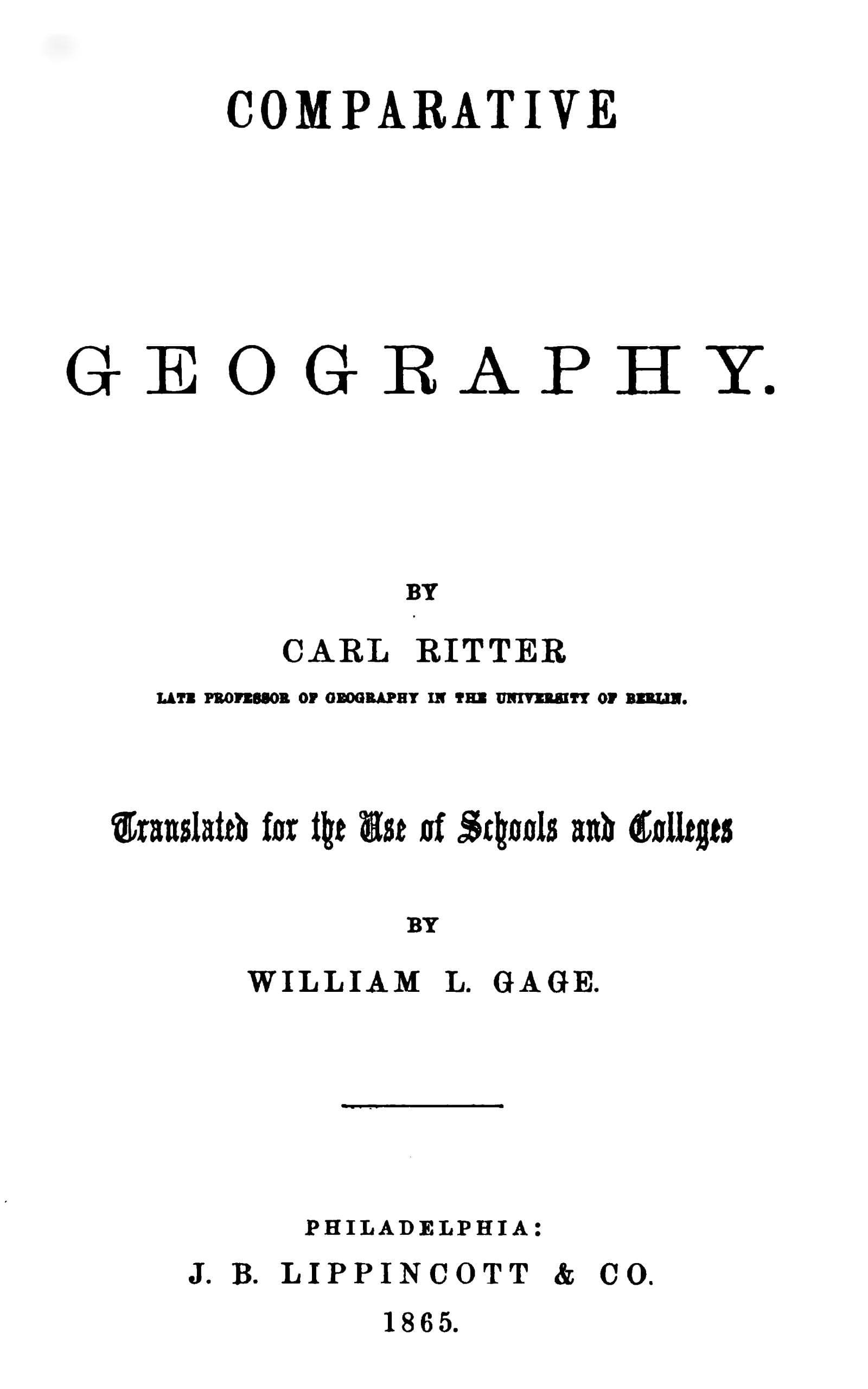
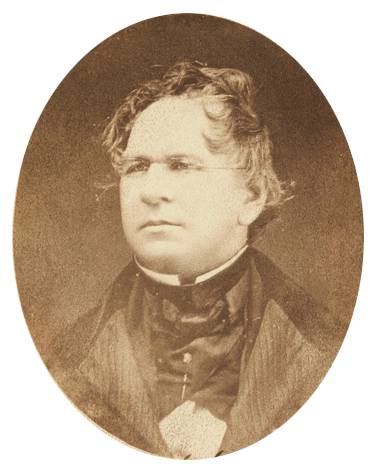
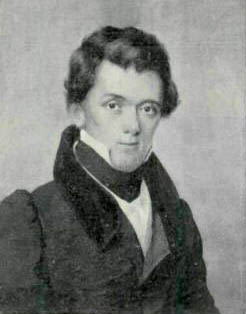
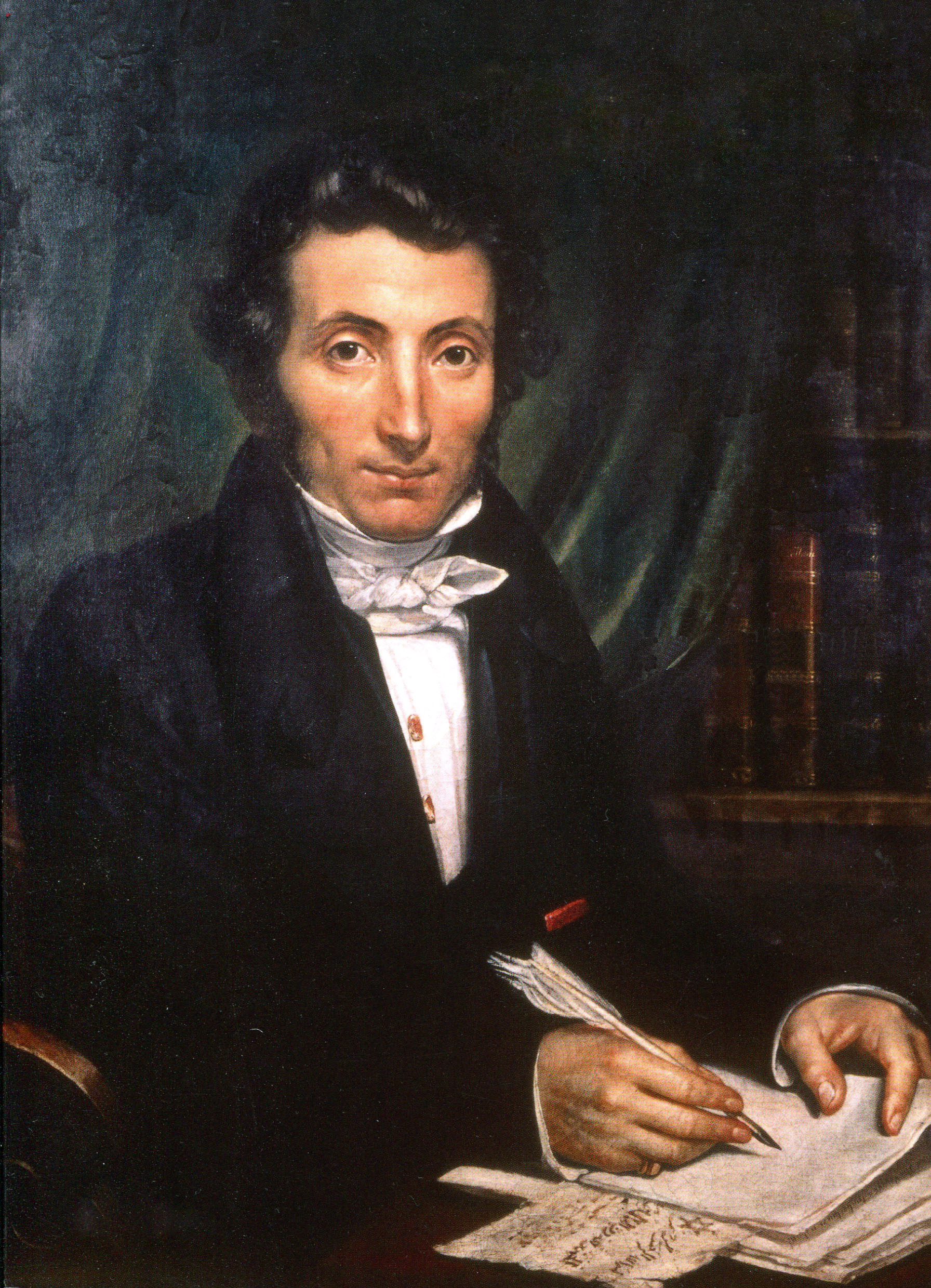
Carl Ritter was a pioneering German geographer who played a crucial role in establishing geography as a distinct scientific discipline. Alongside his contemporary Alexander von Humboldt, Ritter's work laid the foundations for modern geographical thought. He was particularly known for his systematic approach to the study of the Earth's surface and its relationship with human activity, which he articulated in his seminal work, 'Die Erdkunde' (Geography). This multi-volume work examined the interplay between physical geography and human culture, influencing generations of geographers and scholars in related fields. Ritter's academic career flourished at the University of Berlin, where he held the first chair in geography from 1825 until his death in 1859. His innovative methodologies and emphasis on empirical observation helped to elevate geography from a descriptive practice to a rigorous scientific discipline. His legacy endures in the field of geography, where his ideas continue to inform contemporary studies of human-environment interactions and the spatial organization of societies.
Famous Quotes
View all 3 quotes“wir konnen warten. wissen macht frei [we can wait. knowledge liberates]. in these confident words the stalwart Ritter von Schmerling expressed the rationalistic expectations of the political process at the beginning of the liberal era in 1861.at the end of that era, the poet Hugo von Hofmannsthal, scion of a cultivated middle-class family, offered a different formula for political success: politics is magic. he who knows how to summon the forces from the deep, him will they follow.””
“I noticed that he wasn’t looking at me while we talked. After we finished the take, I asked him where he’d been looking. “Your ear,” he replied. “Why?” I asked in surprise. “Because that way more of my face is on camera. Don’t look at the other actors. Look in three-quarters, so your face is more prominent. Stick with me. I’ll teach you some tricks.” And Walter did teach me. He shared his bag of tricks for how to make the most of a scene. Walter was one of the greatest scene-stealers I’ve ever known”
“Wir können warten. Wissen macht frei.” (We can wait. Knowledge liberates.) In these confident words the stalwart Ritter von Schmerling expressed the rationalistic expectations of the political process at the beginning of the liberal era in 1861.29 At the end of that era, the poet Hugo von Hofmannsthal, scion of a cultivated middle-class family, offered a different formula for political success: “Politics is magic. He who knows how to summon the forces from the deep, him will they follow.””
Books from the author




Link to this page
Add a free, dofollow link to Lex on your blog, forum, syllabus, or reading list.

<a href="https://lex-books.com/author/carl-ritter"><img src="https://lex-books.com/badges/read-on-lex.svg" alt="Carl Ritter on Lex" width="160" height="40"></a>[](https://lex-books.com/author/carl-ritter)[url=https://lex-books.com/author/carl-ritter][img]https://lex-books.com/badges/read-on-lex.svg[/img][/url]Carl Ritter on Lex: https://lex-books.com/author/carl-ritter