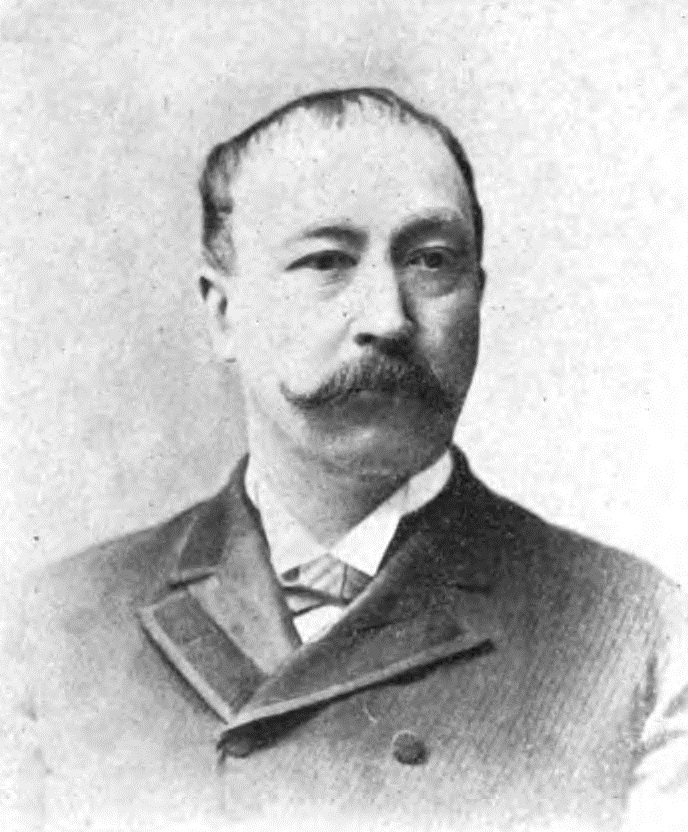
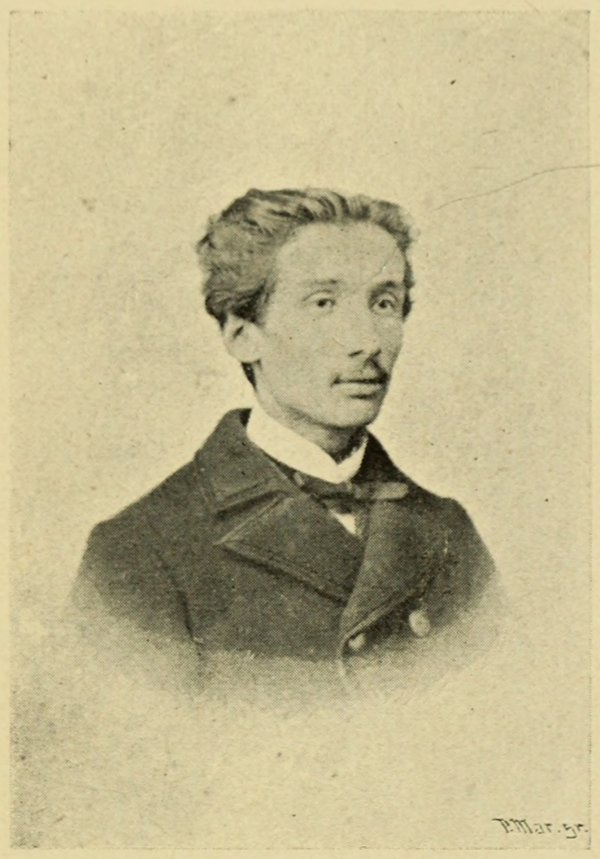
Augustus C. Buell
Augustus C. Buell was an American author best known for his biographies of notable figures in American history. His literary career was sparked by the success of his own experiences during the Civil War, which he chronicled in his writings. Buell's works aimed to capture the essence of great Americans, contributing to the genre of biographical literature in the late 19th century. However, his reputation was marred by allegations of plagiarism and fabrications, which raised questions about the authenticity of his narratives and the integrity of his historical accounts. Despite the controversies surrounding his work, Buell's biographies reflected the era's fascination with heroic figures and the complexities of American identity. His approach to storytelling, while criticized, showcased the challenges of historical representation and the blurred lines between fact and fiction in biographical writing. Ultimately, Buell's legacy is a reminder of the importance of accuracy in historical literature and the impact of personal experience on narrative construction.
Famous Quotes
View all 1 quotes“It is by no means enough that an officer of the Navy should be a capable mariner. He must be that, of course, but also a great deal more. He should be as well a gentleman of liberal education, refined manners, punctilious courtesy, and the nicest sense of personal honor.He should be the soul of tact, patience, justice, firmness, kindness, and charity. No meritorious act of a subordinate should escape his attention or be left to pass without its reward, even if the reward is only a word of approval.Conversely, he should not be blind to a single fault in any subordinate, though at the same time, he should be quick and unfailing to distinguish error from malice, thoughtlessness from incompetency, and well meant shortcomings from heedless or stupid blunder. In one word, every commander should keep constantly before him the great truth, that to be well obeyed, he must be perfectly esteemed.””
Books from the author



Link to this page
Add a free, dofollow link to Lex on your blog, forum, syllabus, or reading list.

<a href="https://lex-books.com/author/augustus-c-buell"><img src="https://lex-books.com/badges/read-on-lex.svg" alt="Augustus C. Buell on Lex" width="160" height="40"></a>[](https://lex-books.com/author/augustus-c-buell)[url=https://lex-books.com/author/augustus-c-buell][img]https://lex-books.com/badges/read-on-lex.svg[/img][/url]Augustus C. Buell on Lex: https://lex-books.com/author/augustus-c-buell