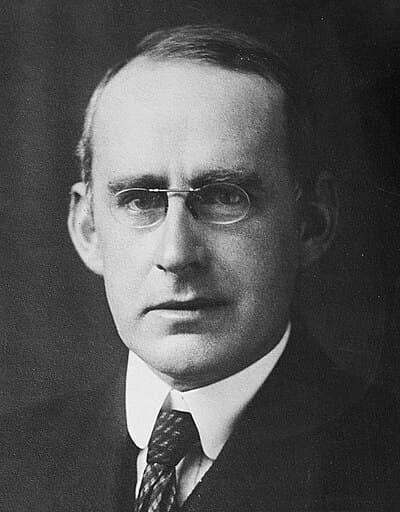
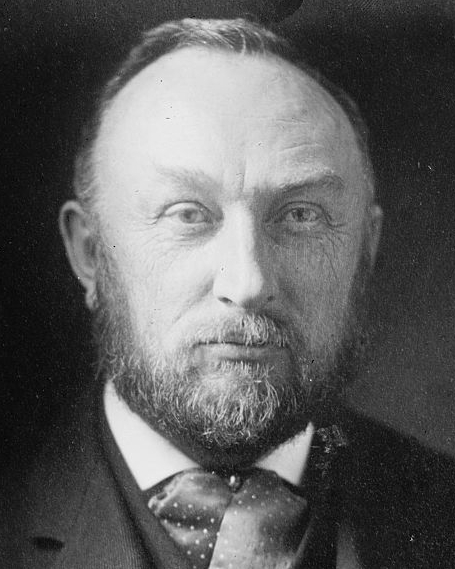
Arthur Stanley Eddington
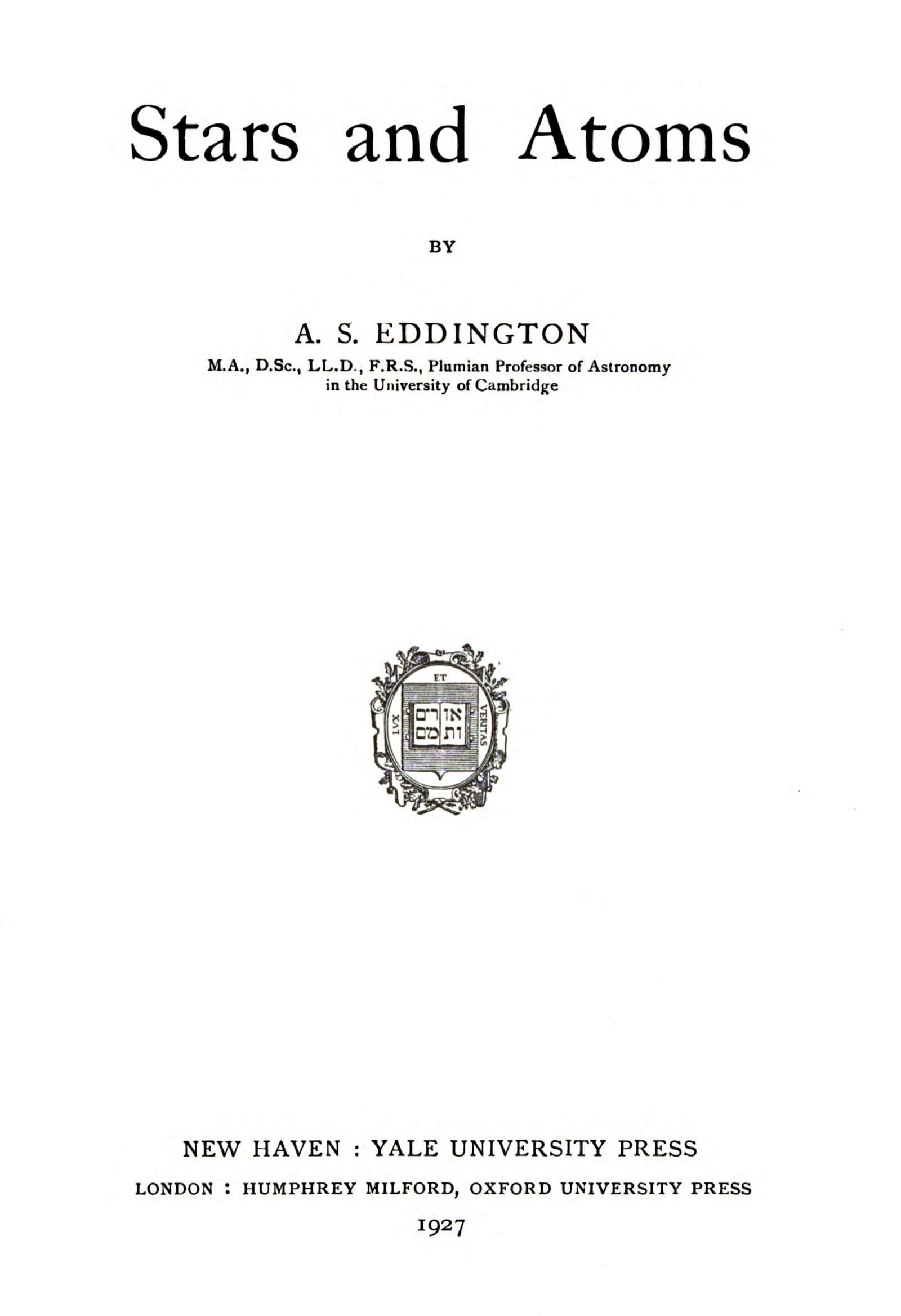
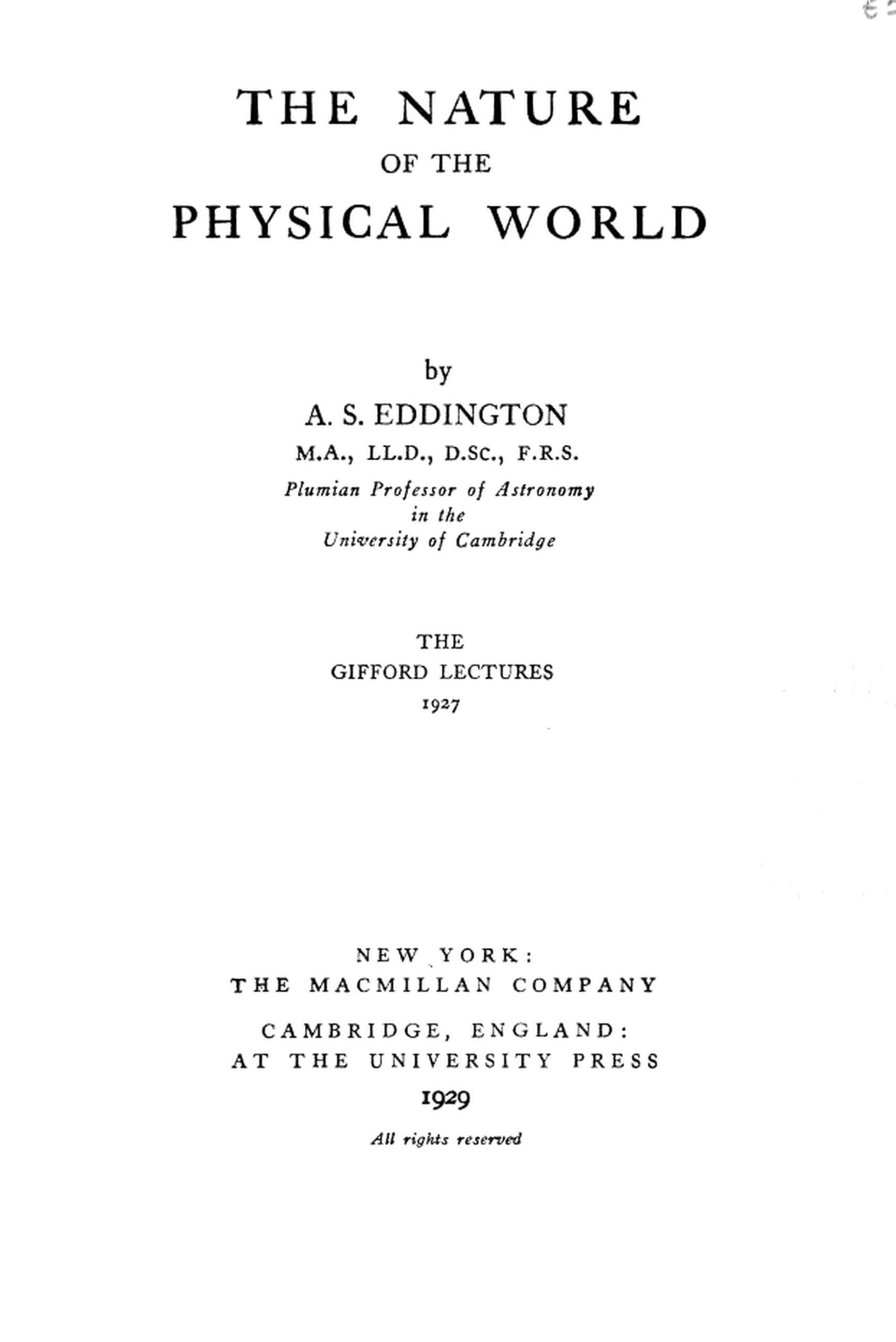
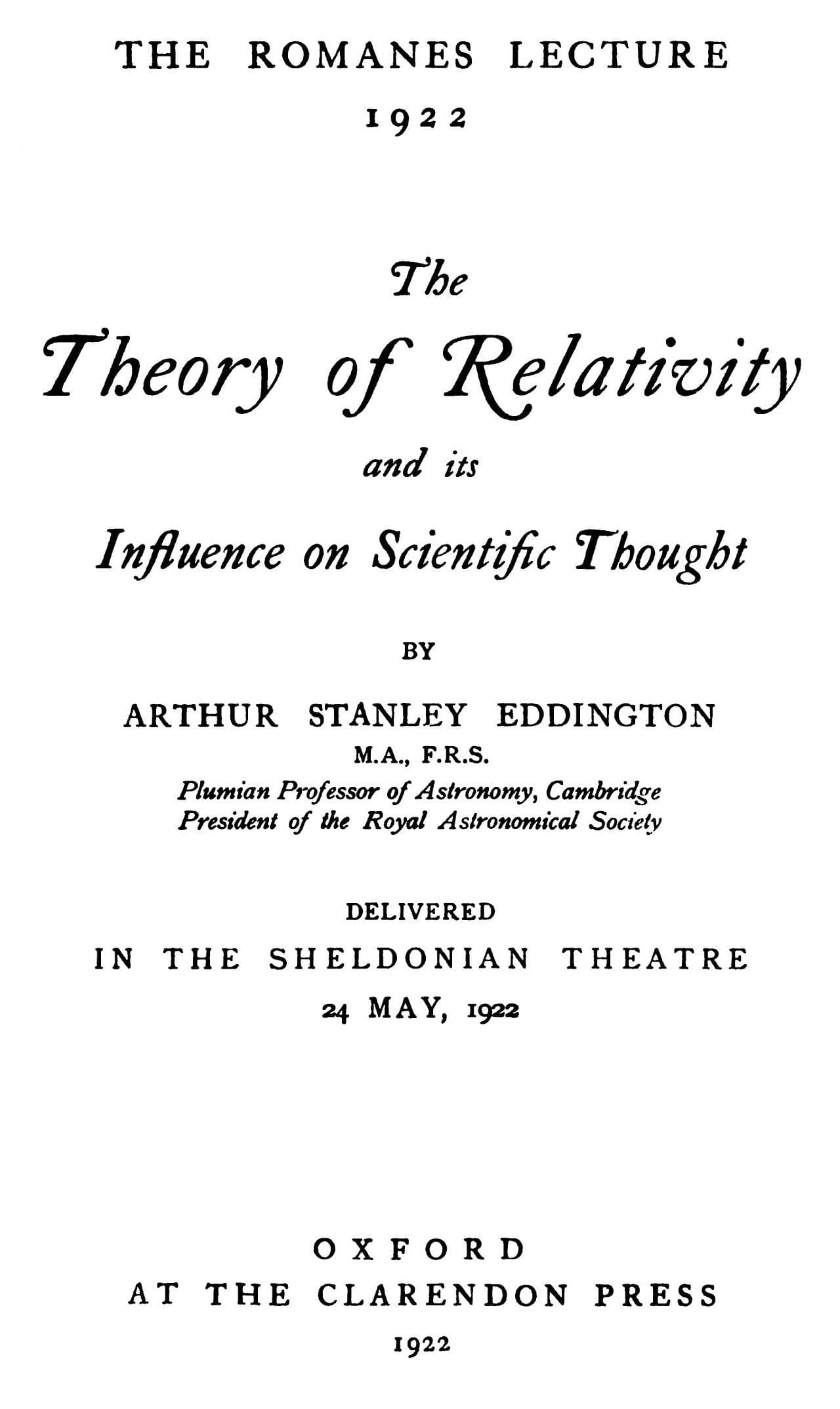
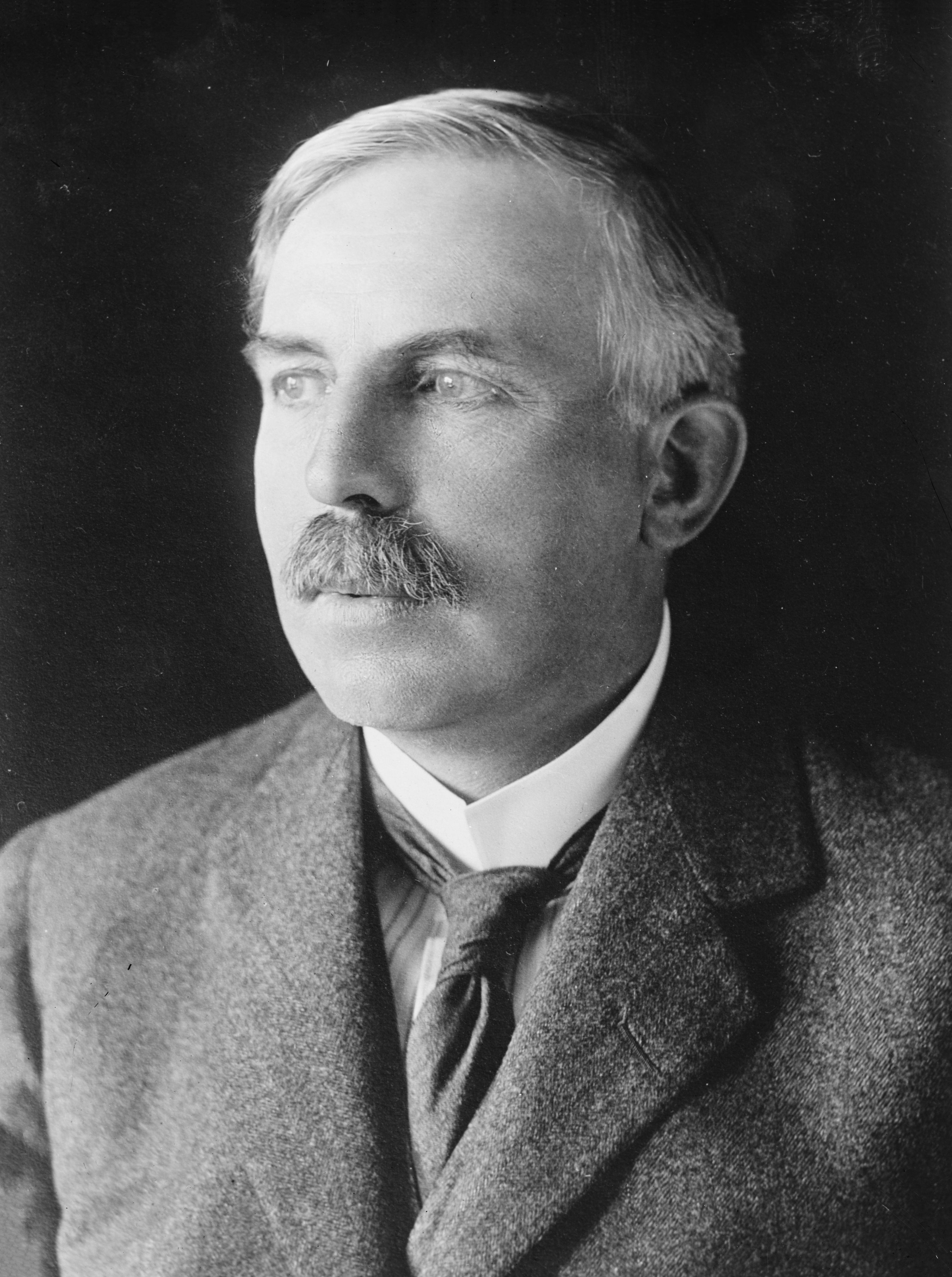
Arthur Stanley Eddington was a prominent British astrophysicist and philosopher of science, best known for his work in the early 20th century that bridged the gap between theoretical physics and observational astronomy. Born in 1882 in England, Eddington's early academic pursuits led him to the University of Cambridge, where he became a key figure in the development of modern astrophysics. His most notable contributions include the confirmation of Einstein's theory of general relativity through the observation of starlight bending during a solar eclipse in 1919, an event that catapulted Einstein to international fame and established Eddington as a leading scientist of his time. In addition to his groundbreaking work in relativity, Eddington authored several influential texts, including "The Nature of the Physical World" and "The Internal Constitution of the Stars," which explored the principles of stellar structure and the nature of light. His philosophical reflections on science, particularly his views on the relationship between science and religion, have left a lasting impact on both fields. Eddington's legacy is evident in the way he championed the importance of empirical evidence in the pursuit of scientific knowledge, while also engaging with the metaphysical implications of scientific discoveries, thus influencing future generations of scientists and thinkers.
Famous Quotes
View all 19 quotes“Something unknown is doing we don't know what.””
“We have learnt that the exploration of the external world by the methods of physical science leads not to a concrete reality but to a shadow world of symbols, beneath which those methods are unadapted for penetrating. Feeling that there must be more behind, we return to our starting point in human consciousness - the one centre where more might become known. There we find other stirrings, other revelations than those conditioned by the world of symbols... Physics most strongly insists that its methods do not penetrate behind the symbolism. Surely then that mental and spiritual nature of ourselves, known in our minds by an intimate contact transcending the methods of physics, supplies just that... which science is admittedly unable to give.””
“Asked in 1919 whether it was true that only three people in the world understood the theory of general relativity, [Eddington] allegedly replied: 'Who's the third?””
Books from the author








Link to this page
Add a free, dofollow link to Lex on your blog, forum, syllabus, or reading list.

<a href="https://lex-books.com/author/arthur-stanley-eddington"><img src="https://lex-books.com/badges/read-on-lex.svg" alt="Arthur Stanley Eddington on Lex" width="160" height="40"></a>[](https://lex-books.com/author/arthur-stanley-eddington)[url=https://lex-books.com/author/arthur-stanley-eddington][img]https://lex-books.com/badges/read-on-lex.svg[/img][/url]Arthur Stanley Eddington on Lex: https://lex-books.com/author/arthur-stanley-eddington