
Edwin Hubble
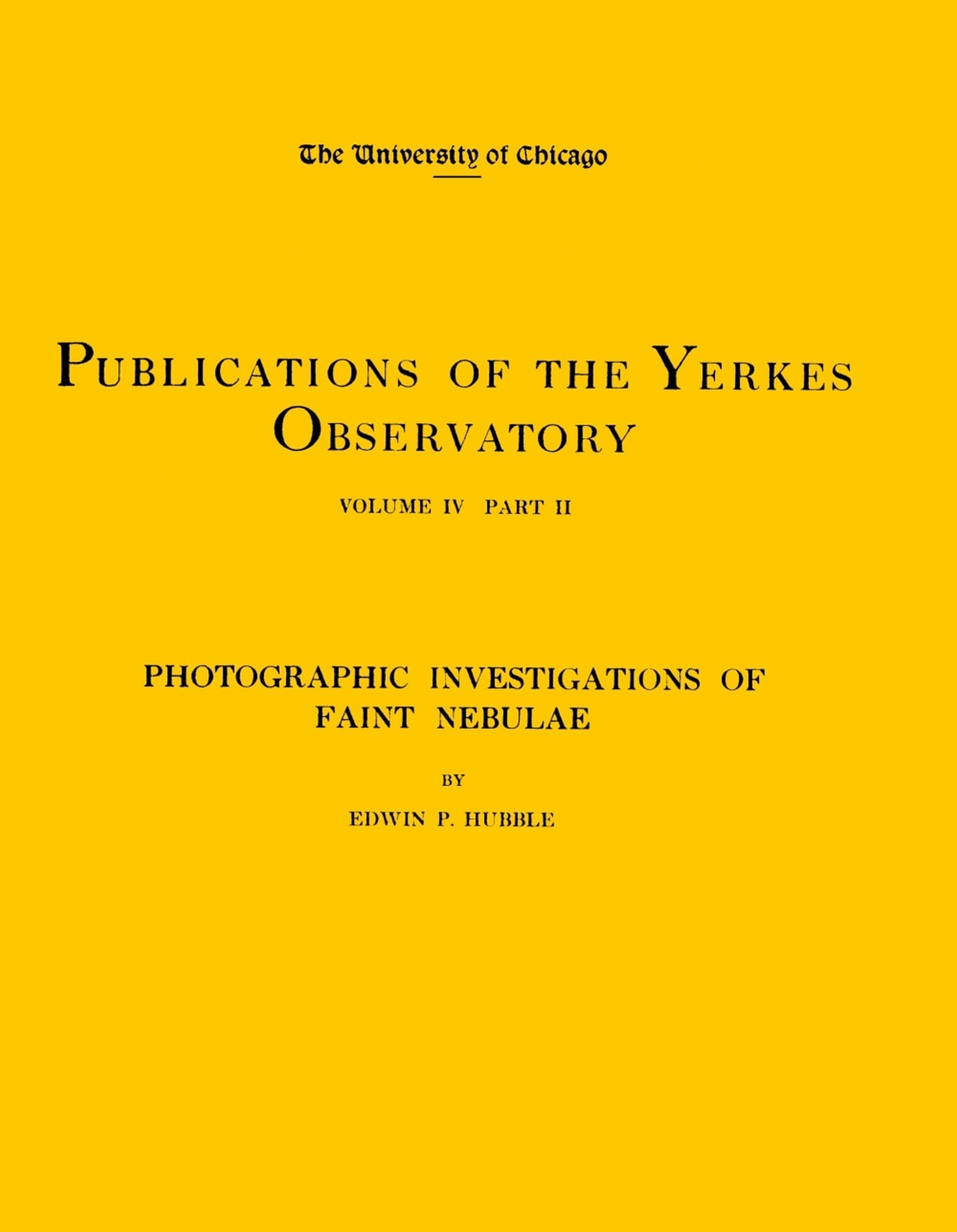
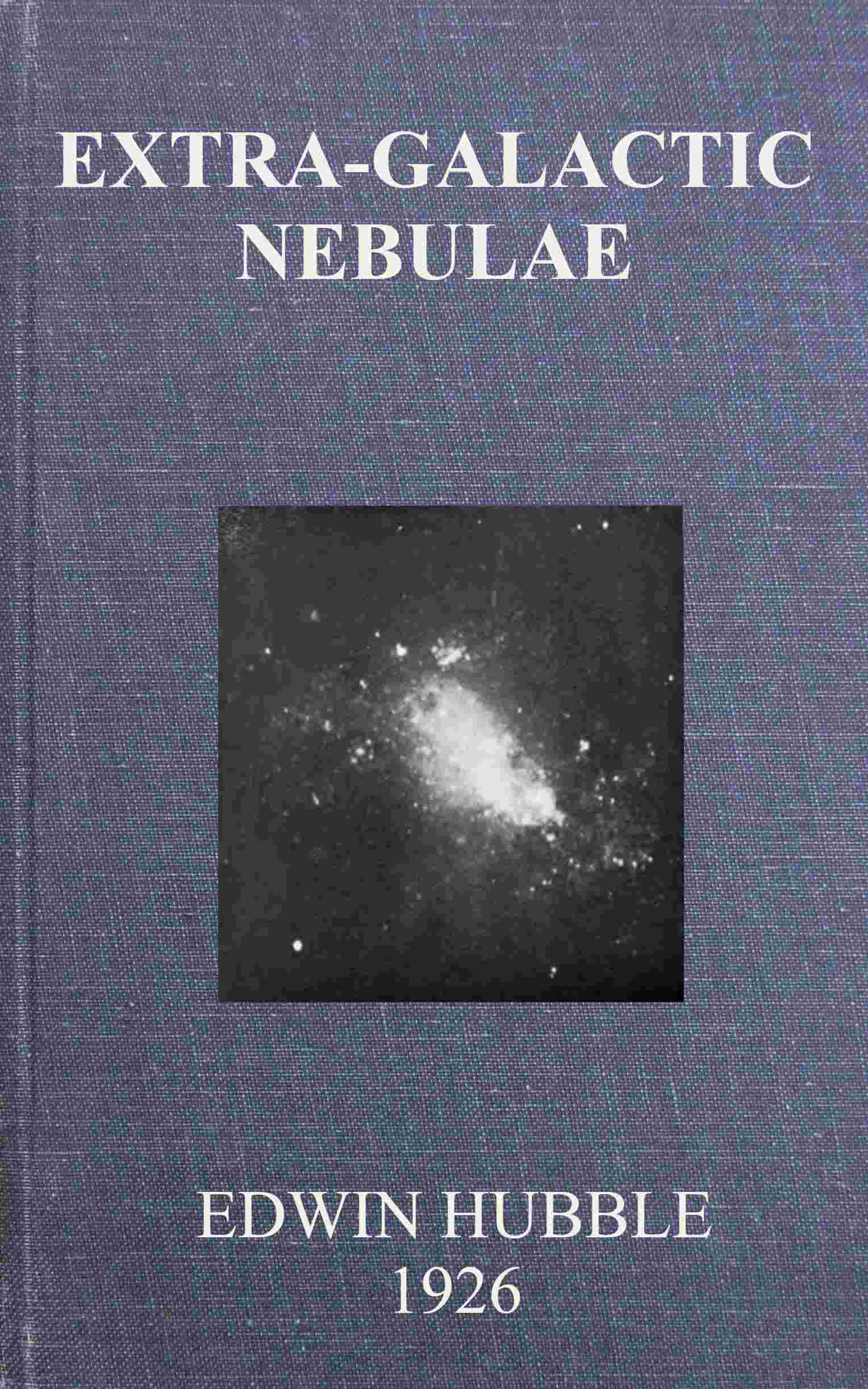
Edwin Powell Hubble was a pioneering American astronomer whose groundbreaking work fundamentally transformed our understanding of the universe. He played a crucial role in establishing extragalactic astronomy and observational cosmology, demonstrating that many so-called 'nebulae' were, in fact, distant galaxies beyond the Milky Way. Hubble's innovative use of the relationship between a Cepheid variable's luminosity and its pulsation period allowed him to measure vast cosmic distances, reshaping the field of astronomy. In 1929, Hubble confirmed the relationship between a galaxy's recessional velocity and its distance from Earth, a discovery that became known as Hubble's law. This pivotal finding provided compelling evidence for the expansion of the universe, a concept that had been hinted at by Georges Lemaître just two years earlier. Hubble's contributions not only expanded the boundaries of known galaxies but also laid the groundwork for modern cosmology, influencing generations of astronomers and scientists. His legacy endures through the Hubble Space Telescope, which continues to explore the cosmos and reveal its mysteries.
Famous Quotes
View all 5 quotes“Equipped with his five senses, man explores the universe around him and calls the adventure Science.””
“With increasing distance, our knowledge fades, and fades rapidly. Eventually, we reach the dim boundary”
“The history of astronomy is a history of receding horizons.””
Books from the author



Link to this page
Add a free, dofollow link to Lex on your blog, forum, syllabus, or reading list.

<a href="https://lex-books.com/author/edwin-hubble"><img src="https://lex-books.com/badges/read-on-lex.svg" alt="Edwin Hubble on Lex" width="160" height="40"></a>[](https://lex-books.com/author/edwin-hubble)[url=https://lex-books.com/author/edwin-hubble][img]https://lex-books.com/badges/read-on-lex.svg[/img][/url]Edwin Hubble on Lex: https://lex-books.com/author/edwin-hubble