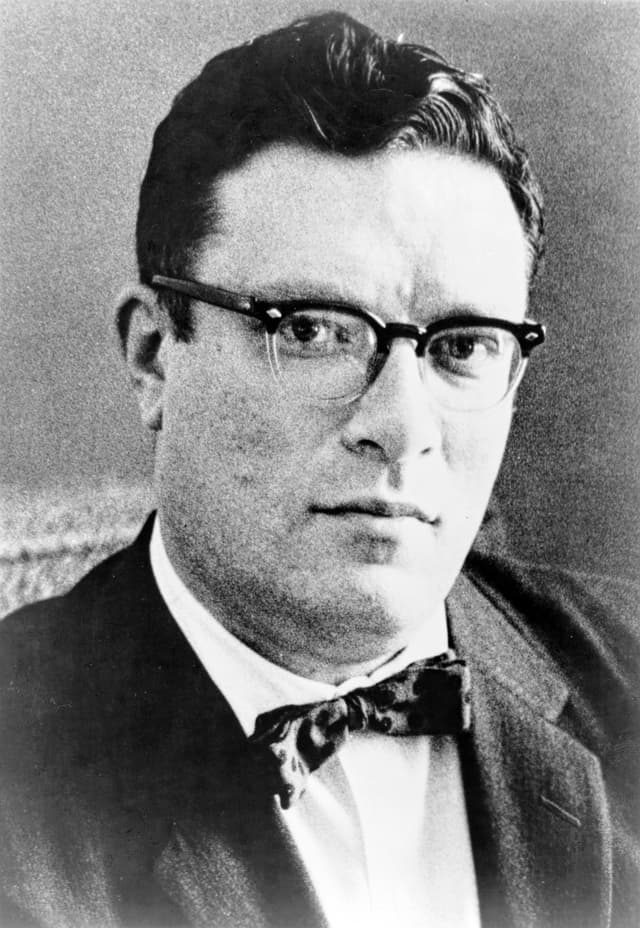
Isaac Asimov
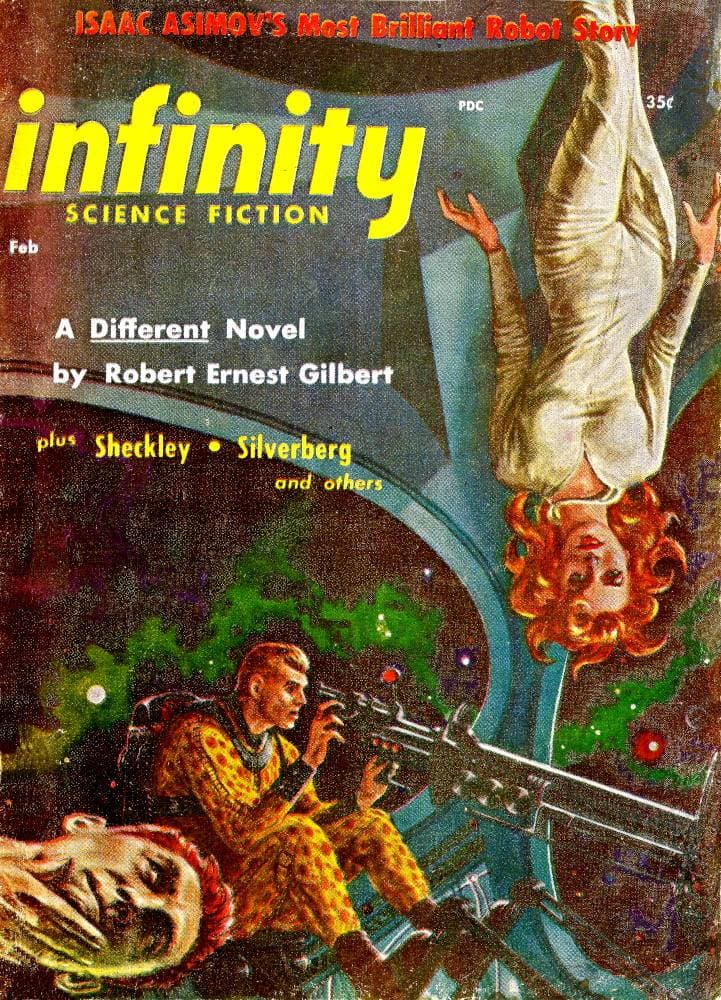
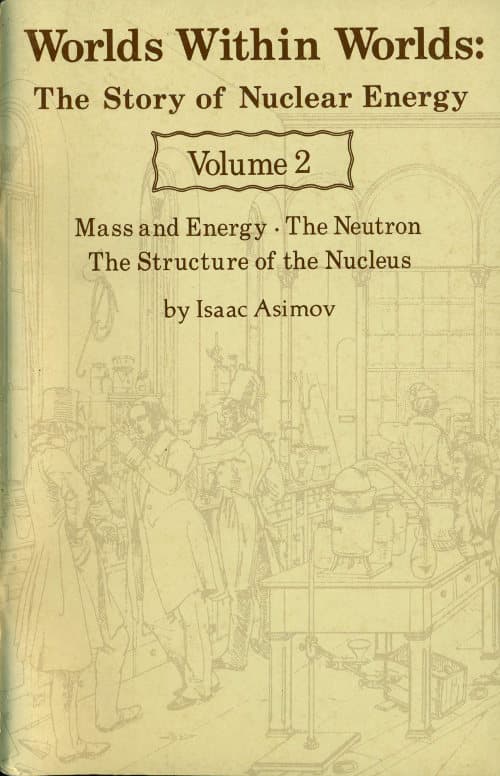
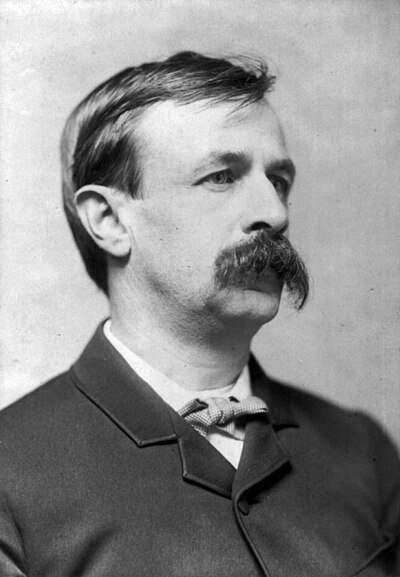
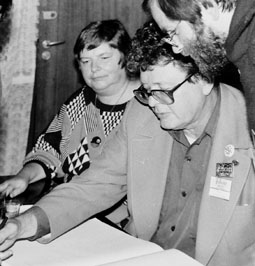
Isaac Asimov was an influential American writer and biochemistry professor, renowned for his contributions to science fiction and popular science. He emerged as one of the 'Big Three' science fiction authors alongside Robert A. Heinlein and Arthur C. Clarke, producing an impressive body of work that included over 500 books and around 90,000 letters. Asimov's literary legacy is anchored by his groundbreaking Foundation series, which won the Hugo Award for 'Best All-Time Series' in 1966, and his Robot series, which introduced the famous Three Laws of Robotics. His notable works, such as The Caves of Steel and 'The Naked Sun,' exemplified his ability to weave complex scientific concepts into compelling narratives, making him a pioneer of hard science fiction. In addition to his fiction, Asimov was a prolific writer of popular science, creating accessible texts that demystified scientific concepts for the general public. His works, including Guide to Science and the three-volume Understanding Physics, showcased his talent for explaining intricate ideas in an engaging manner. Asimov's influence extended beyond literature; he shaped the genre of science fiction and inspired countless writers and thinkers. His legacy endures through his extensive bibliography and the lasting impact of his ideas on both science fiction and the public's understanding of science.
Famous Quotes
View all 3 quotes“The saddest aspect of life right now is that science gathers knowledge faster than society gathers wisdom.”
“Never let your sense of morals prevent you from doing what is right.”
“In life, unlike chess, the game continues after checkmate.”
Books from the author

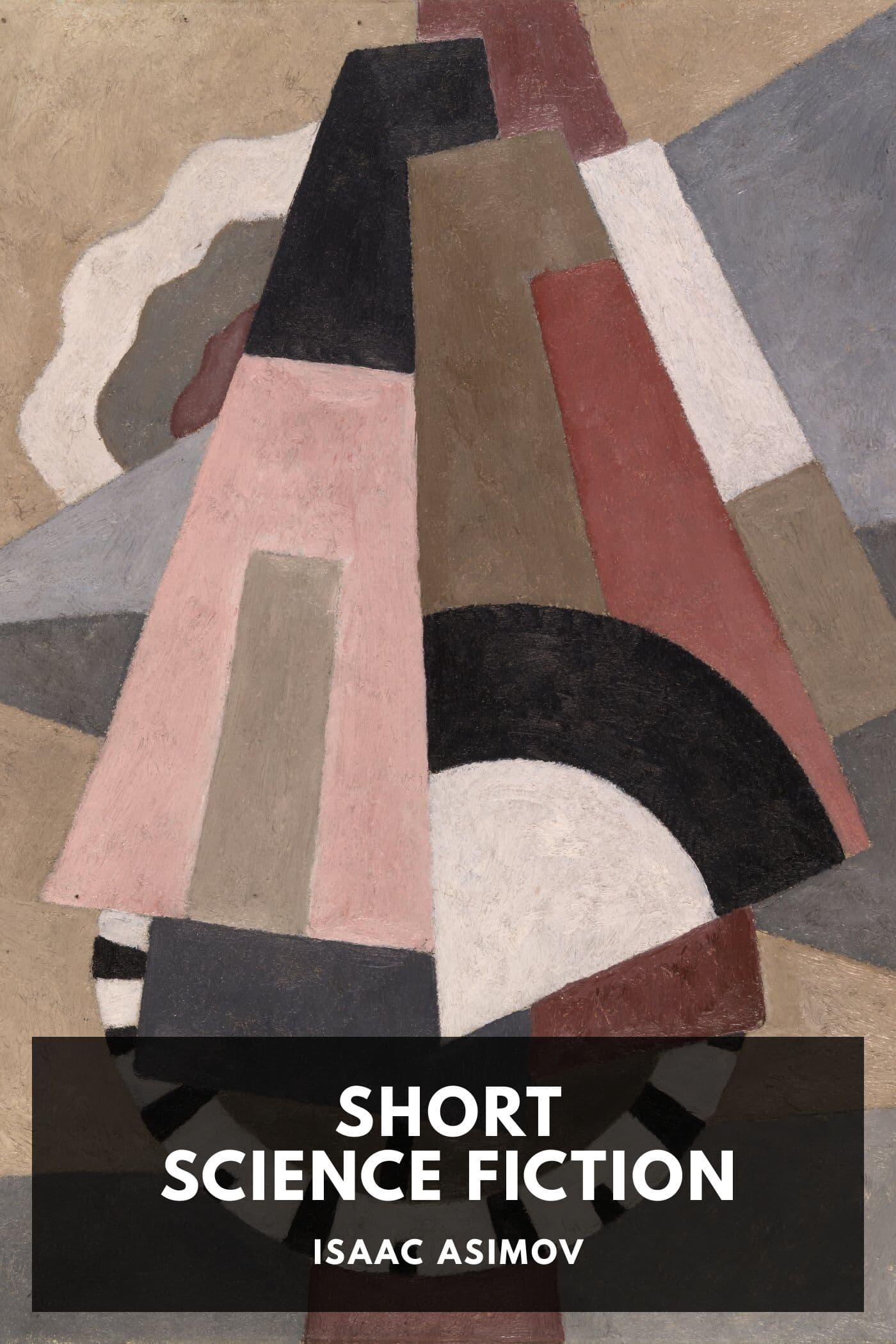

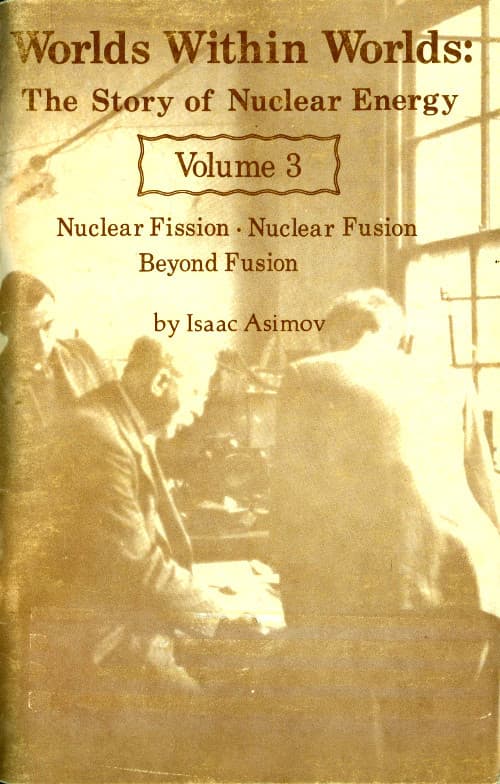
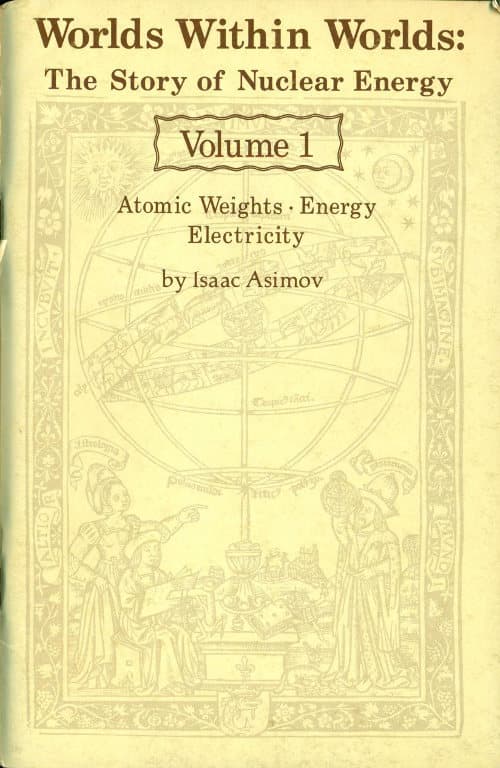










Link to this page
Add a free, dofollow link to Lex on your blog, forum, syllabus, or reading list.

<a href="https://lex-books.com/author/isaac-asimov"><img src="https://lex-books.com/badges/read-on-lex.svg" alt="Isaac Asimov on Lex" width="160" height="40"></a>[](https://lex-books.com/author/isaac-asimov)[url=https://lex-books.com/author/isaac-asimov][img]https://lex-books.com/badges/read-on-lex.svg[/img][/url]Isaac Asimov on Lex: https://lex-books.com/author/isaac-asimov