
Arthur L. Brown
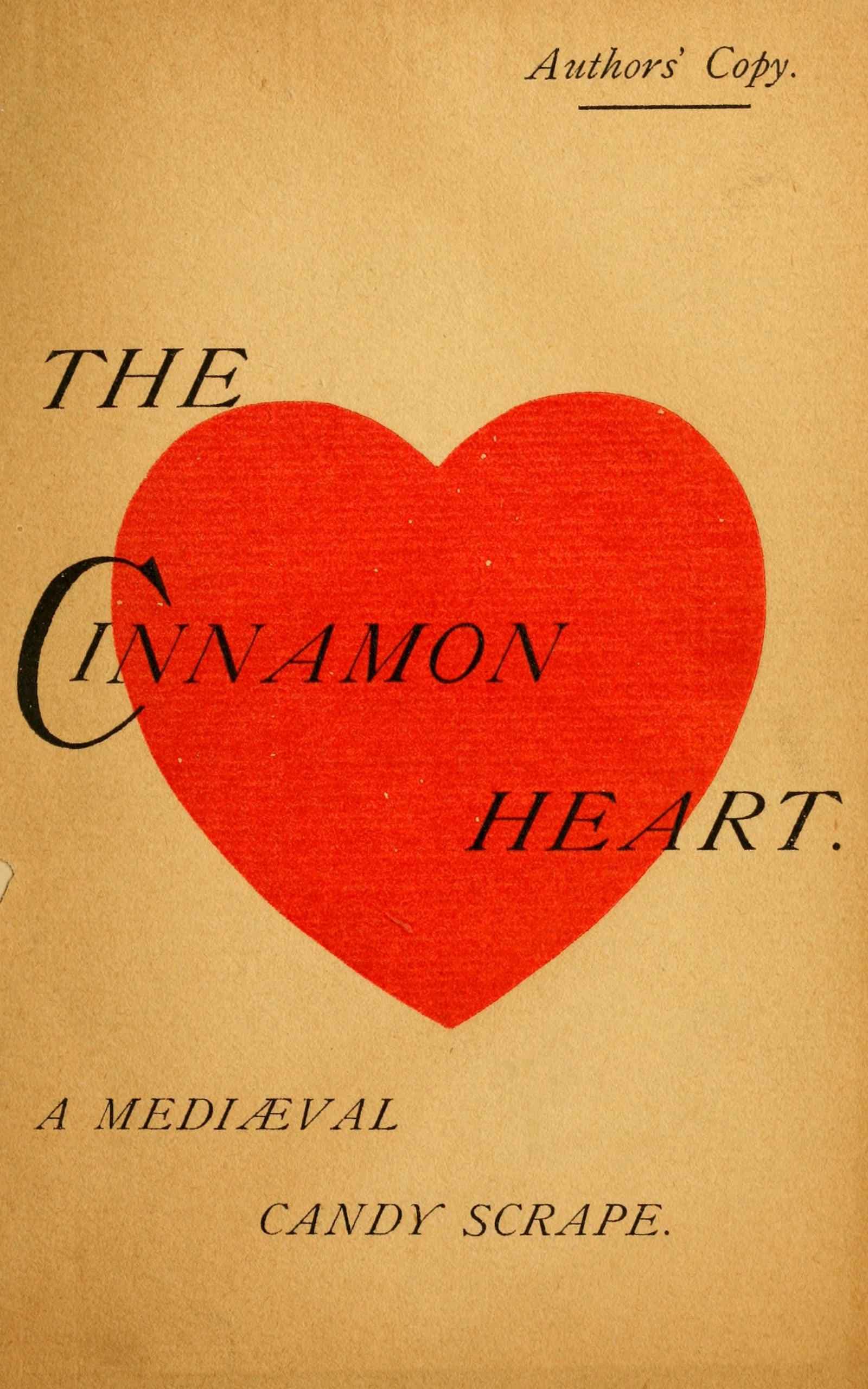
Arthur L. Brown was an American playwright and author known for his unique contributions to the theatrical landscape of the early 20th century. His most notable work, 'The Cinnamon Heart: A Mediæval Candy Scrape in 3 Acts,' showcases his ability to blend whimsical storytelling with theatrical innovation. The play, which reflects a playful and imaginative approach to medieval themes, highlights Brown's creativity and his interest in the intersection of history and fantasy in performance art. Though not widely recognized today, Brown's work exemplifies the spirit of experimentation that characterized the theater of his time. His writings often incorporated elements of humor and satire, engaging audiences with both entertainment and thought-provoking narratives. Brown's legacy lies in his contribution to the development of American theater, particularly in the realm of light-hearted and fantastical plays that sought to captivate and amuse audiences during a period of significant cultural change in the United States.
Famous Quotes
View all 8 quotes“The trouble has generally been . . . that people have emphasized either experience or doctrine at the expense of the other. . . . This is something that has been happening in the church from almost the very beginning. . . . When the whole emphasis is placed upon one or the other, you either have a tendency to fanaticism and excess or a tendency toward a barren intellectualism and a mechanical and a dead kind of orthodoxy.””
“There are Christians and churches that boast of being mature when really they are spiritually frostbitten. We have developed a prejudice against feeling and emotion until amens would be no scarcer if they cost a hundred dollars apiece -- and the real truth is, we have lost our first love. . . . This accounts for a lot of church troubles. When we love the Lord we love the brethren. When we break up the fallow ground of our hearts we uncover roots of bitterness. . . . There is a reckless enthusiasm about first love. It is not cold and calculating.””
“It’s easier to cool down a fanatic than to warm up a corpse.””
Books from the author


Link to this page
Add a free, dofollow link to Lex on your blog, forum, syllabus, or reading list.

<a href="https://lex-books.com/author/arthur-l-brown"><img src="https://lex-books.com/badges/read-on-lex.svg" alt="Arthur L. Brown on Lex" width="160" height="40"></a>[](https://lex-books.com/author/arthur-l-brown)[url=https://lex-books.com/author/arthur-l-brown][img]https://lex-books.com/badges/read-on-lex.svg[/img][/url]Arthur L. Brown on Lex: https://lex-books.com/author/arthur-l-brown