
Robert Grant
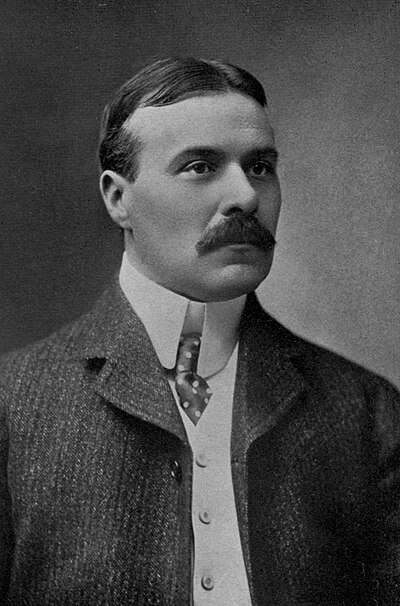
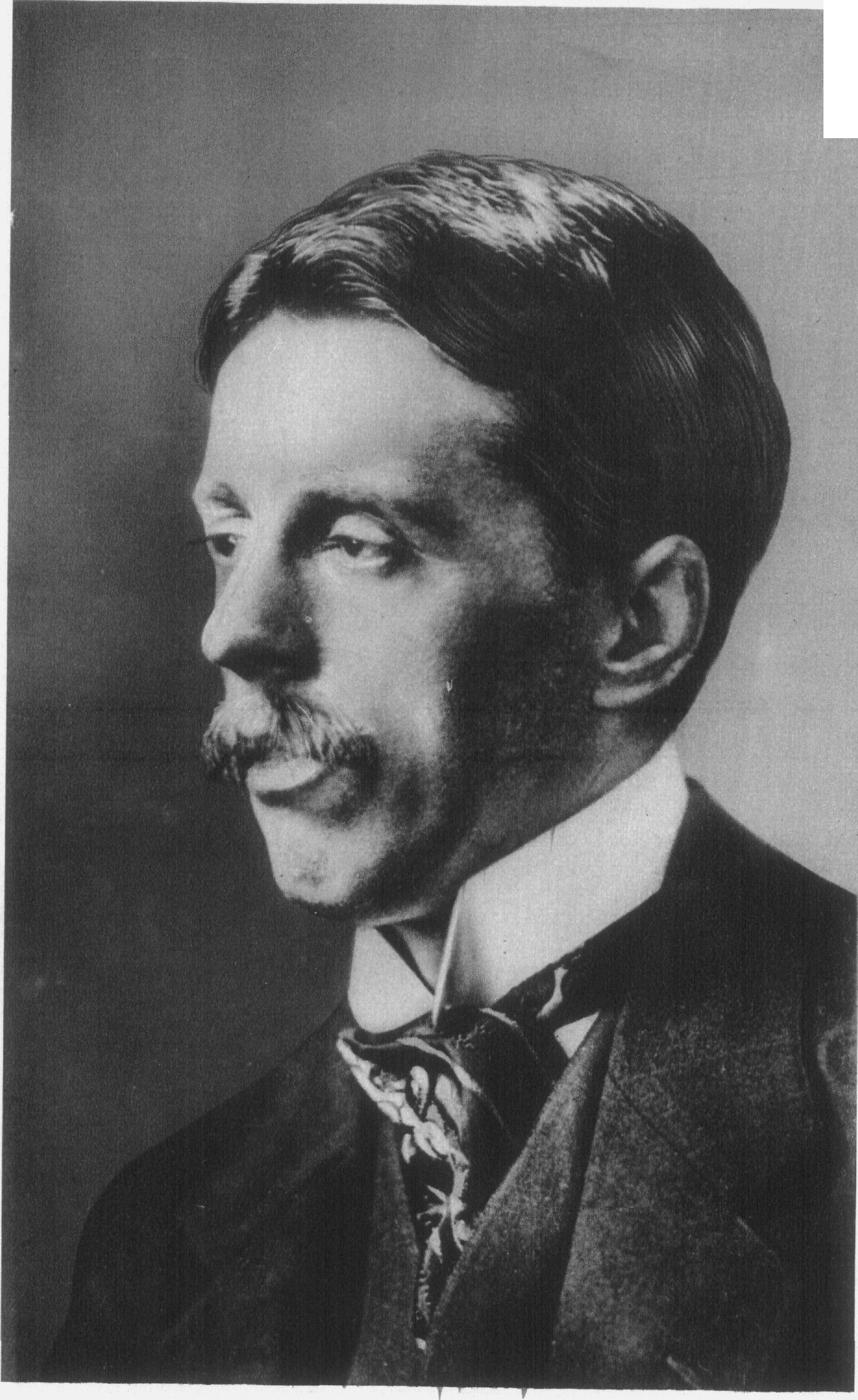
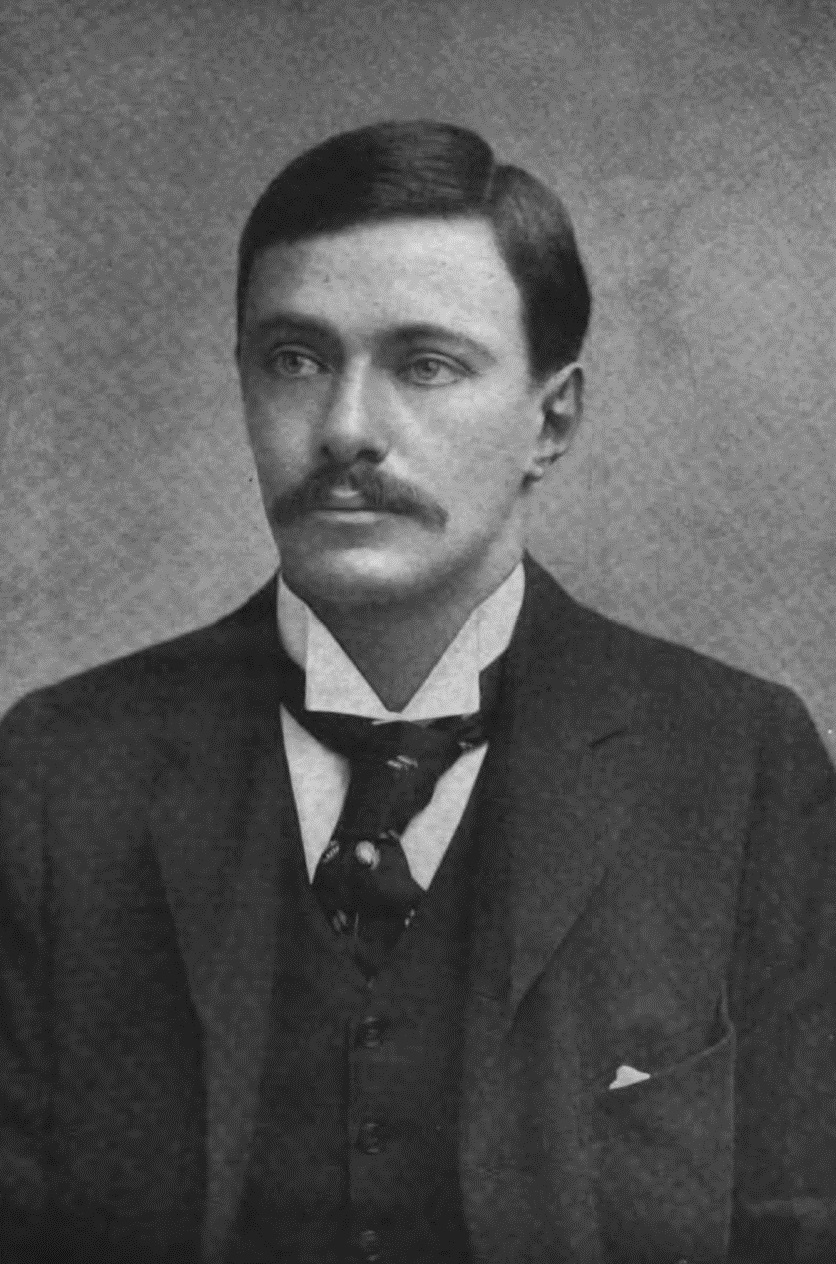
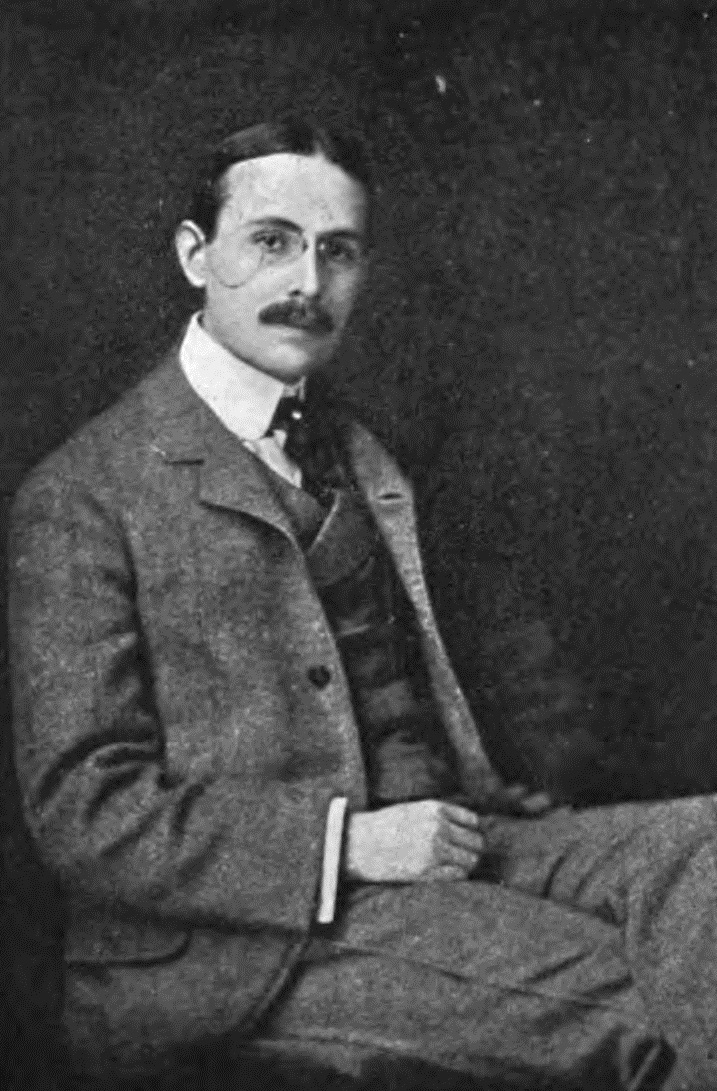
Robert Grant was an American novelist and playwright known for his exploration of social issues and human relationships in the late 19th and early 20th centuries. Born in 1852, Grant's literary career spanned several decades, during which he produced a diverse body of work that included novels, essays, and short stories. His writing often reflected the complexities of modern life, addressing themes of morality, philosophy, and the human condition. Notable works such as 'A Romantic Young Lady' and 'The Orchid' showcased his ability to blend romance with social commentary, while 'The King's Men: A Tale of To-Morrow' offered a speculative glimpse into the future, highlighting his interest in societal progress and change. In addition to his fiction, Grant was also known for his philosophical writings, as seen in 'The Opinions of a Philosopher' and 'The Art of Living'. These works reveal his contemplative nature and desire to engage with the intellectual currents of his time. His collection 'Unleavened Bread' presented a critical view of contemporary society, further establishing him as a writer unafraid to tackle controversial subjects. Grant's legacy lies in his ability to weave together narrative and thought, making significant contributions to American literature and reflecting the evolving landscape of his era.
Famous Quotes
View all 17 quotes“The greater the artist, the greater the doubt. Perfect confidence is granted to the less talented as a consolation prize."[ (, June 10, 1996)]””
“I'd like to get away from earth awhileAnd then come back to it and begin over.May no fate wilfully misunderstand meAnd half grant what I wish and snatch me awayNot to return. Earth's the right place for love:I don't know where it's likely to go better.””
“Funny how we take it for granted that we know all there is to know about another person, just because we see them frequently or because of some strong emotional tie.””
Books from the author








Link to this page
Add a free, dofollow link to Lex on your blog, forum, syllabus, or reading list.

<a href="https://lex-books.com/author/robert-grant"><img src="https://lex-books.com/badges/read-on-lex.svg" alt="Robert Grant on Lex" width="160" height="40"></a>[](https://lex-books.com/author/robert-grant)[url=https://lex-books.com/author/robert-grant][img]https://lex-books.com/badges/read-on-lex.svg[/img][/url]Robert Grant on Lex: https://lex-books.com/author/robert-grant