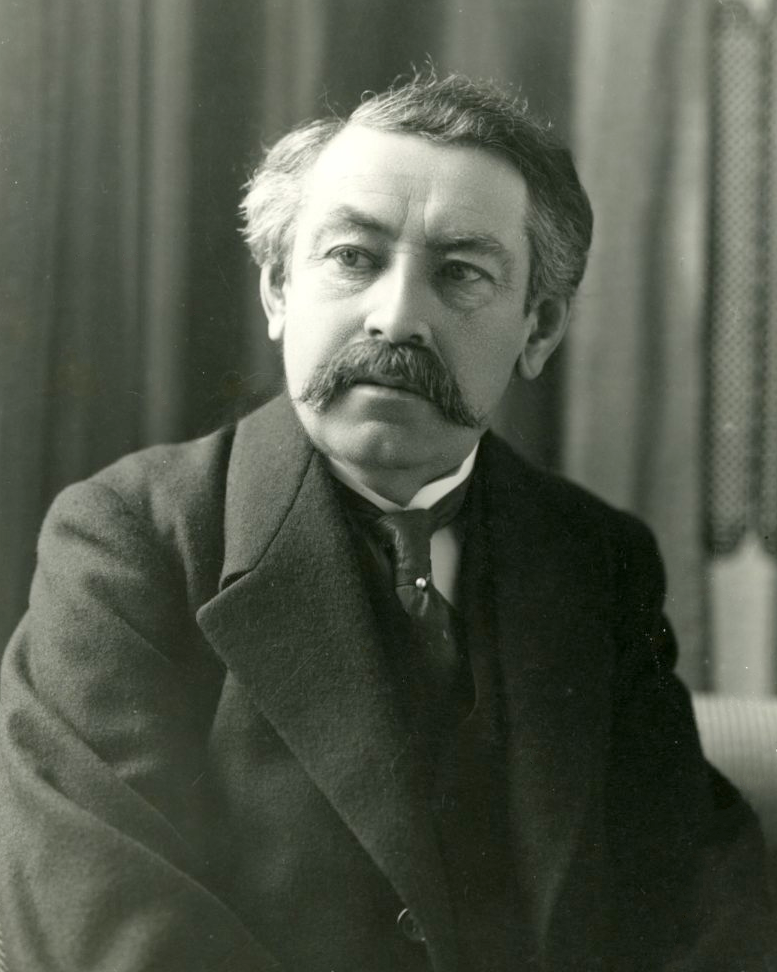
Aristide Briand
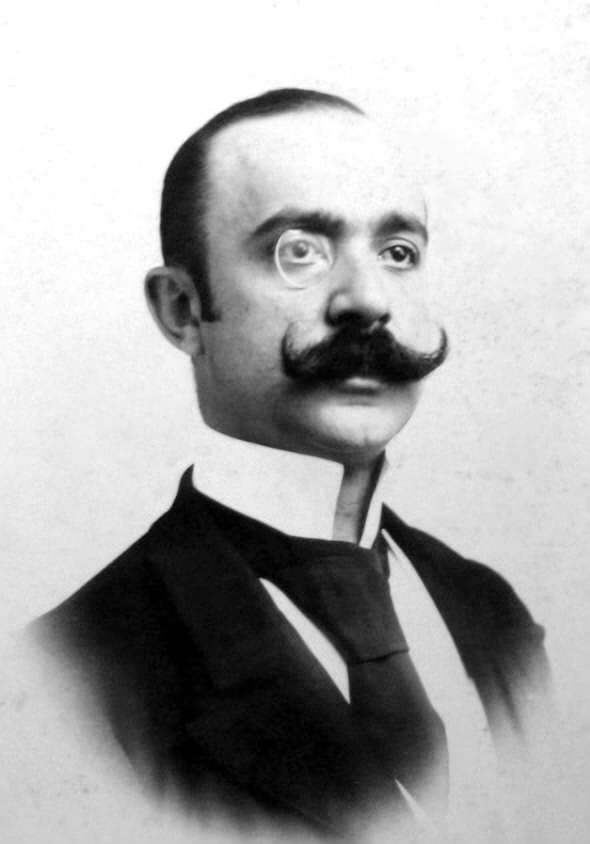
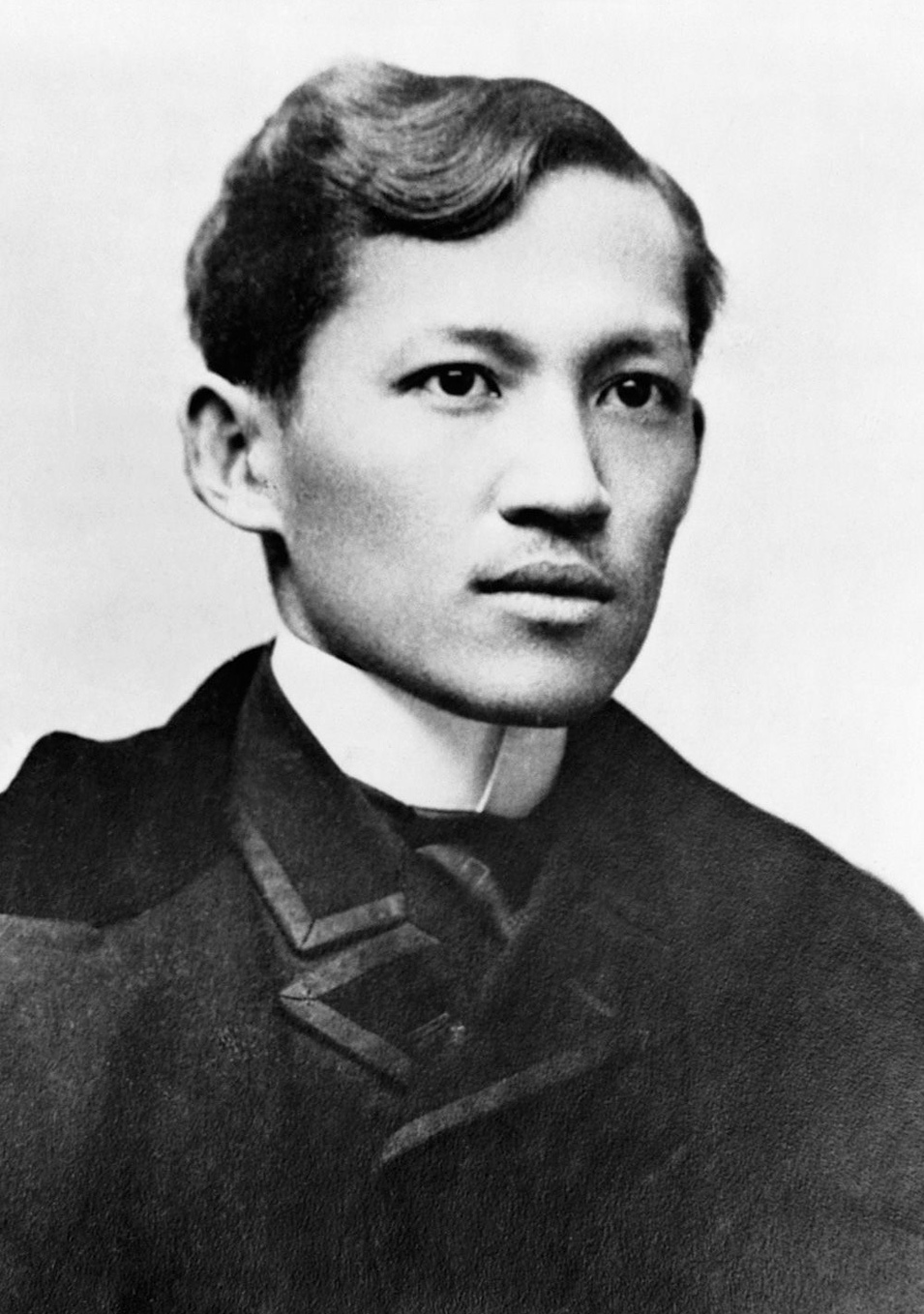
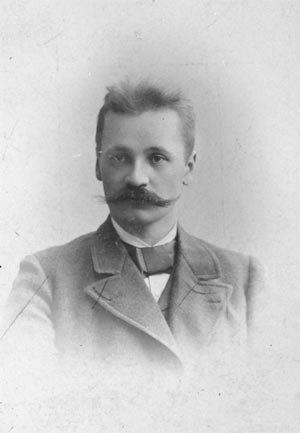
Aristide Briand was a prominent French statesman known for his significant contributions to international diplomacy during the interwar period. Serving eleven terms as Prime Minister of France, he was a key figure in advocating for reconciliation between France and Germany after the devastation of World War I. His efforts culminated in the Locarno Treaties of 1926, for which he was awarded the Nobel Peace Prize alongside German Foreign Minister Gustav Stresemann. These treaties aimed to secure peace in Europe by addressing territorial disputes and fostering cooperation between nations. Briand's commitment to peace extended further with the Kellogg–Briand Pact of 1928, which sought to renounce war as a means of resolving conflicts. He also envisioned a form of European unity, proposing a 'European Union' in 1929. Despite his ambitious initiatives, Briand's legacy was challenged by the rise of nationalism and fascism in the 1930s, which ultimately undermined the stability he worked so hard to achieve. His life and work remain a testament to the complexities of diplomacy and the pursuit of peace in a turbulent era.
Books from the author




Link to this page
Add a free, dofollow link to Lex on your blog, forum, syllabus, or reading list.

<a href="https://lex-books.com/author/aristide-briand"><img src="https://lex-books.com/badges/read-on-lex.svg" alt="Aristide Briand on Lex" width="160" height="40"></a>[](https://lex-books.com/author/aristide-briand)[url=https://lex-books.com/author/aristide-briand][img]https://lex-books.com/badges/read-on-lex.svg[/img][/url]Aristide Briand on Lex: https://lex-books.com/author/aristide-briand