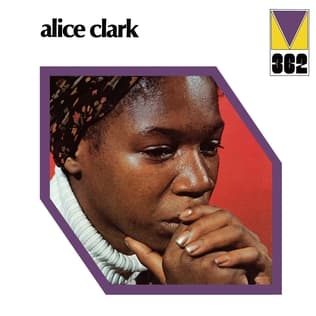
Alice Clark
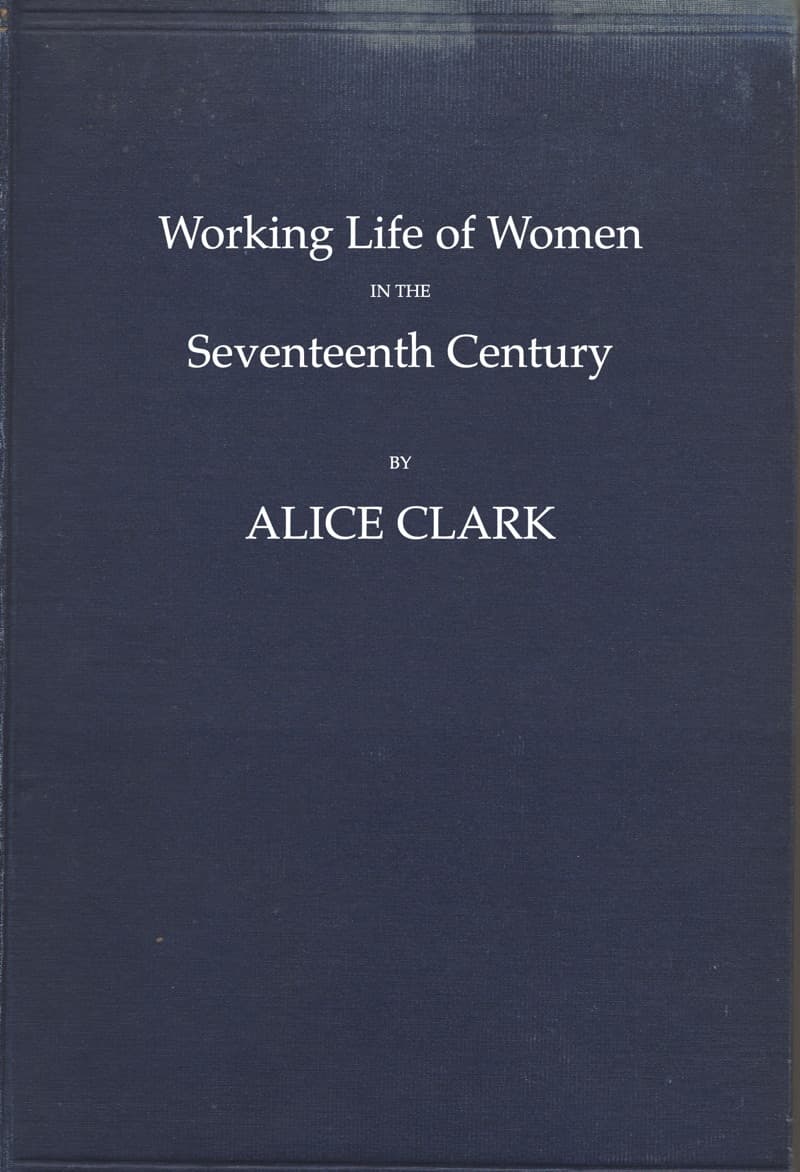
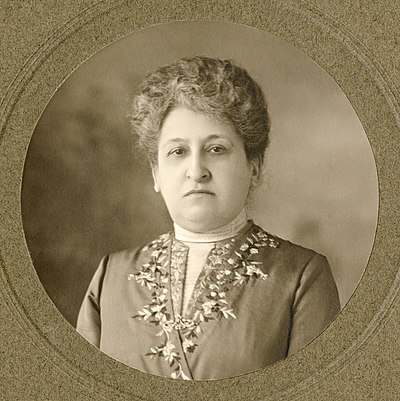
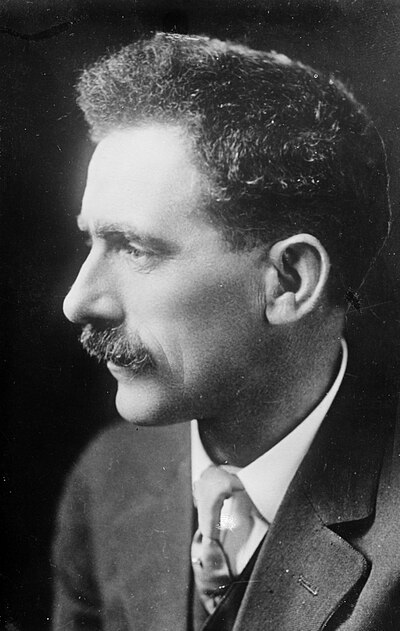
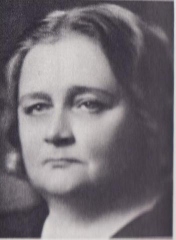
Alice Clark was a pioneering British historian and social researcher whose work focused on the lives and labor of women in early modern England. Born in 1874, she dedicated her academic career to uncovering the often-overlooked contributions of women in society, particularly during the seventeenth century. Her seminal work, 'Working Life of Women in the Seventeenth Century,' published in 1919, provided a comprehensive analysis of women's roles in various sectors, including agriculture, domestic service, and industry. This groundbreaking study not only highlighted the economic significance of women but also challenged prevailing notions of gender roles during that era. Clark's research was notable for its meticulous attention to primary sources and her ability to weave personal narratives into broader historical contexts. By emphasizing the experiences of working women, she contributed significantly to the fields of women's history and social history. Her work laid the groundwork for future generations of historians to explore gender dynamics and the social fabric of early modern England. Alice Clark's legacy endures through her pioneering scholarship, which continues to inspire contemporary discussions on women's roles in history and society.
Famous Quotes
View all 12 quotes“Did you just spit something?” he asked, sounding curious and amused … “Never would have pegged you as a spitter, Vivian.”Eyes suddenly wide, I sat straight up, almost levitating from the bed, then rallied. “Only when it’s something not worth swallowing.”Hello line, I believe I just crossed over you. I distinctly heard Clark choke on a sip of what I assumed was his Scotch.””
“She could not picture it. Herself riding on the subway or streetcar, caring for new horses, talking to new people, living among hordes of people every day who were not Clark.A life, a place, chosen for that specific reason––that it would not contain Clark.The strange and terrible thing coming clear to her about that world of the future, as she now pictured it, was that she would not exist there. She would only walk around, and open her mouth and speak, and do this and do that. She would not really be there. And what was strange about it was that she was doing all this, she was riding on this bus in the hope of recovering herself. As Mrs. Jamieson might say––and as she herself might with satisfaction have said––. With nobody glowering over her, nobody's mood infecting her with misery.But what would she care about? How would she know that she was alive?While she was running away from him––now––Clark still kept his place in her life. But when she was finished running away, when she just went on, what would she put in his place? What else––who else––could ever be so vivid a challenge?””
“I’m waiting for the magic word.” “Um, now?” “Really?” “Asshole?” “Come on.” “Clark!” “Vivian.” “Oh, fine. Please help me, Clark. Please, please, please?” I managed, gritting my teeth. “That wasn’t so bad, was it?” he smiled, his face lighting up.””
Books from the author




Link to this page
Add a free, dofollow link to Lex on your blog, forum, syllabus, or reading list.

<a href="https://lex-books.com/author/alice-clark"><img src="https://lex-books.com/badges/read-on-lex.svg" alt="Alice Clark on Lex" width="160" height="40"></a>[](https://lex-books.com/author/alice-clark)[url=https://lex-books.com/author/alice-clark][img]https://lex-books.com/badges/read-on-lex.svg[/img][/url]Alice Clark on Lex: https://lex-books.com/author/alice-clark