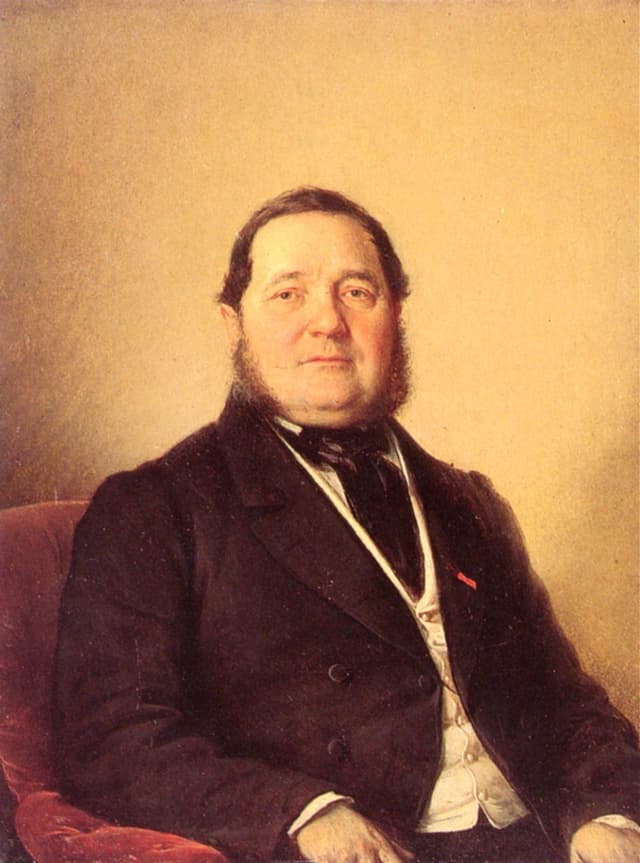
Adalbert Stifter
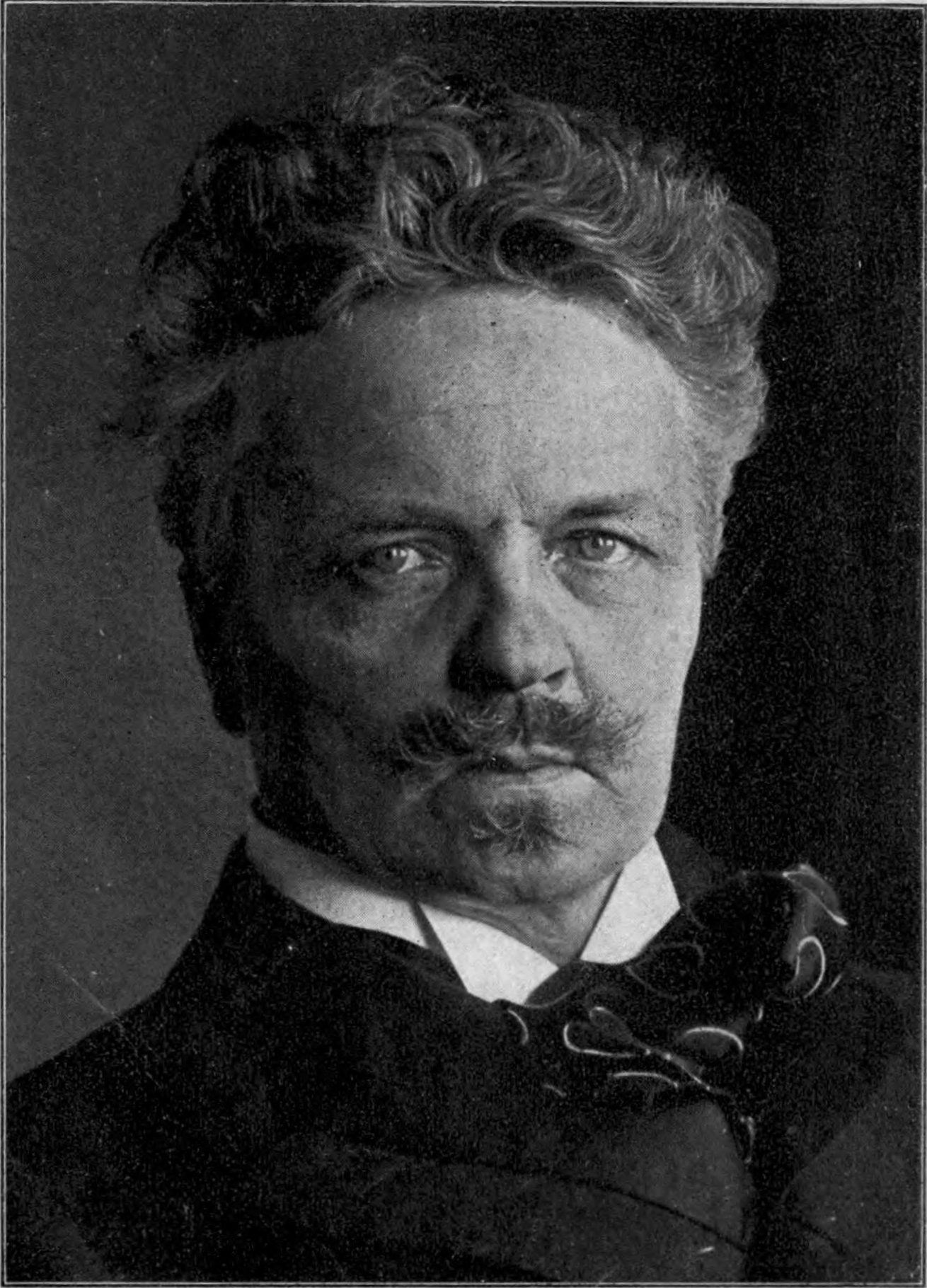
Adalbert Stifter was a Bohemian-Austrian writer, poet, painter, and educator, celebrated for his evocative depictions of nature and the human experience. Born in 1805, he became a significant figure in the German literary scene, known for his detailed and lyrical prose that often reflected his deep appreciation for the natural world. Stifter's works, such as 'Der Nachsommer' and 'Witiko', showcase his ability to intertwine the beauty of landscapes with profound philosophical insights, making him a precursor to later literary movements that emphasized realism and nature. Stifter's literary significance lies not only in his vivid descriptions but also in his exploration of moral and ethical themes, which resonated with the cultural currents of his time. His narratives often grappled with the complexities of human relationships and the impact of nature on the human spirit. Despite his popularity in the 19th century, Stifter's work fell into relative obscurity in the 20th century, though he has since been recognized for his contributions to literature and his influence on later writers. His legacy endures as a testament to the power of nature in literature and the exploration of the human condition.
Famous Quotes
View all 3 quotes“Great beauty and youth capture our attention, excite a deep pleasure; however, why shouldn't our souls gaze at a countenance over which the years have passed? Isn't there a story there, one unknown, full of pain or beauty, which pours its reflection into the features, a story we can read with some compassion or at least get a slight hint of its meaning? The young point toward the future; the old tell of a past.”
“Everything that now exists, no matter how great and good it is, lasts for a time, fulfills a purpose, and then passes on. And so it will be with all the works of art that now exist; an eternal veil of forgetfulness will lie over them, just as there is now over those things that came before.”
“. . . for us there still exists a serene, unfathomable abyss in which God and the spirits dwell. The soul, in moments of ecstasy, often soars across it; poetry unveils it at times with childlike naivete; but science with its hammer and yardstick is often perched at the rim and may, in many cases, contribute nothing at all.”
Books from the author




Link to this page
Add a free, dofollow link to Lex on your blog, forum, syllabus, or reading list.

<a href="https://lex-books.com/author/adalbert-stifter"><img src="https://lex-books.com/badges/read-on-lex.svg" alt="Adalbert Stifter on Lex" width="160" height="40"></a>[](https://lex-books.com/author/adalbert-stifter)[url=https://lex-books.com/author/adalbert-stifter][img]https://lex-books.com/badges/read-on-lex.svg[/img][/url]Adalbert Stifter on Lex: https://lex-books.com/author/adalbert-stifter