Zoonomia; Or, The Laws of Organic Life, Vol. II
1794
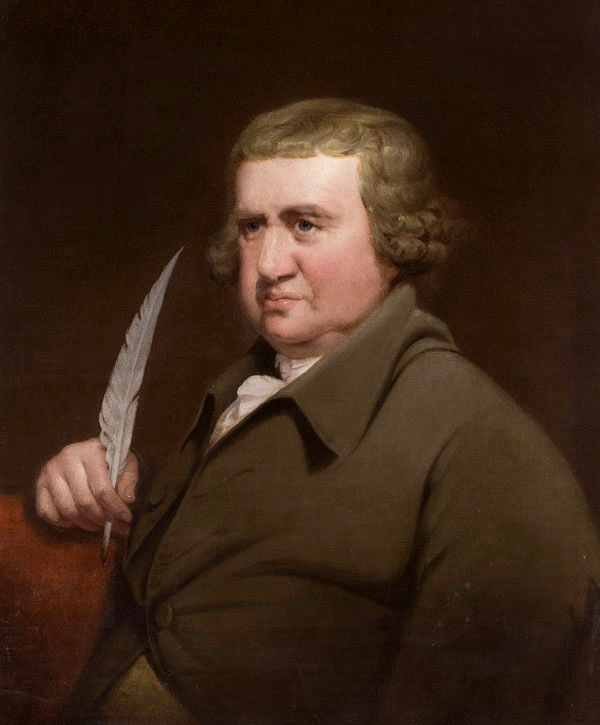
Erasmus Darwin was already imagining the shape of life itself when most thinkers still credited divine intervention for every heartbeat. Zoonomia, published in 1794, represents one of the earliest systematic attempts to explain disease through natural laws rather than humors or mysticism. This second volume builds upon Darwin's radical framework of the "four faculties of the sensorium", irritation, sensation, volition, and association, as the engines of all organic life. Here, Darwin classifies diseases not by their symptoms alone, but by their underlying physiological mechanisms, proposing that understanding these "laws" could revolutionize medical practice. The work reads now like a remarkable artifact of Enlightenment ambition: a grand, rationalist edifice built from careful observation and bold speculation, some of which anticipated evolutionary thinking that would not fully flower until his grandson's time. Medical science has long moved past Darwin's specific treatments and categories, but the intellectual audacity remains vital. This is for anyone curious about the origins of scientific medicine, or anyone who wants to witness a brilliant mind attempting to reduce the chaos of illness to order.
Editions
X-Ray
“Hence when a person is in great pain, the cause of which he cannot remove, he sets his teeth firmly together, or bites some substance between them with great vehemence, as another mode of violent exertion to produce a temporary relief. Thus we have the proverb where no help can be has in pain, 'to grin and abide;' and the tortures of hell are said to be attended with 'gnashing of teeth.'Describing a suggestion of the origin of the grin in the present form of a proverb, 'to grin and bear it.””
— Erasmus Darwin
“Owing to the imperfection of language the offspring is termed a new animal, but it is in truth a branch or elongation of the parent; since a part of the embryon-animal is, or was, a part of the parent; and therefore in strict language it cannot be said to be entirely new at the time of its production; and therefore it may retain some of the habits of the parent-system. (1794)””
— Erasmus Darwin
Link to this book
Add a free, dofollow link to Lex on your blog, forum, syllabus, or reading list.

<a href="https://lex-books.com/book/zoonomia-or-the-laws-of-organic-life-vol-ii-526abb3c-387c-4b07-a84f-221dae35b13f"><img src="https://lex-books.com/badges/read-on-lex.svg" alt="Read Zoonomia; Or, The Laws of Organic Life, Vol. II by Erasmus Darwin free on Lex" width="160" height="40"></a>[](https://lex-books.com/book/zoonomia-or-the-laws-of-organic-life-vol-ii-526abb3c-387c-4b07-a84f-221dae35b13f)[url=https://lex-books.com/book/zoonomia-or-the-laws-of-organic-life-vol-ii-526abb3c-387c-4b07-a84f-221dae35b13f][img]https://lex-books.com/badges/read-on-lex.svg[/img][/url]Read Zoonomia; Or, The Laws of Organic Life, Vol. II by Erasmus Darwin free on Lex: https://lex-books.com/book/zoonomia-or-the-laws-of-organic-life-vol-ii-526abb3c-387c-4b07-a84f-221dae35b13fCite this book
Reading this edition for a paper or guide? Copy a citation.
Darwin, Erasmus. Zoonomia; Or, The Laws of Organic Life, Vol. II. Lex, lex-books.com/book/zoonomia-or-the-laws-of-organic-life-vol-ii-526abb3c-387c-4b07-a84f-221dae35b13f.Darwin, E. (1794). Zoonomia; Or, The Laws of Organic Life, Vol. II. Lex. https://lex-books.com/book/zoonomia-or-the-laws-of-organic-life-vol-ii-526abb3c-387c-4b07-a84f-221dae35b13fDarwin, Erasmus. Zoonomia; Or, The Laws of Organic Life, Vol. II. Lex. https://lex-books.com/book/zoonomia-or-the-laws-of-organic-life-vol-ii-526abb3c-387c-4b07-a84f-221dae35b13f.