The Botanic Garden. Part 2, Containing the Loves of the Plants. a Poem.: With Philosophical Notes.
1789
The Botanic Garden. Part 2, Containing the Loves of the Plants. a Poem.: With Philosophical Notes.
1789
In 1789, Erasmus Darwin did something no scientist or poet had quite attempted before: he turned the Linnaean sexual system of plant classification into verse, transforming the stamen and pistil into lovers in a botanical boudoir. The result is a poem that reads like a scientific comedy of manners, where flowers court and couple according to their reproductive anatomy, and the classes of plants become cast members in an elaborate dramatic poem. Darwin's playful premise scandalized some readers and delighted others: here was serious natural philosophy dressed in the attire of a gallant pastoral, complete with Flora dancing with Cupid and the Rose confessing its passions to the sighing breeze. The poem brims with wit, mechanical explanations of plant processes rendered in heroic couplets, and an infectious delight in the natural world's hidden mechanics. Philosophical notes appended to each section ground the fantasy in the botany of Erasmus Darwin's era, making this as much a work of Enlightenment popular science as it is a curiosity of literary history. For readers today, it offers a window into how the educated class of the 18th century imagined the living world, and why the grandfather of Charles Darwin remains a fascinating figure in the history of evolutionary thought.
Editions
X-Ray
“Bade round the youth explosive steam aspire,In gathering clouds, and wing'd the wave with fire; Bade with cold streams the quick expansion stop, And sunk the immense of vapour to a drop.- Press'd by the ponderous air the Piston falls Resistless, sliding through its iron walls; Quick moves the balanced beam, of giant-birth, Wields his large limbs, and nodding shakes the earth.””
— Erasmus Darwin
Link to this book
Add a free, dofollow link to Lex on your blog, forum, syllabus, or reading list.

<a href="https://lex-books.com/book/the-botanic-garden-part-2-containing-the-loves-of-the-plants-a-poem-with-philoso-b0e2d82b-8cce-455a-bda0-0800b2d099bb"><img src="https://lex-books.com/badges/read-on-lex.svg" alt="Read The Botanic Garden. Part 2, Containing the Loves of the Plants. a Poem.: With Philosophical Notes. by Erasmus Darwin free on Lex" width="160" height="40"></a>[](https://lex-books.com/book/the-botanic-garden-part-2-containing-the-loves-of-the-plants-a-poem-with-philoso-b0e2d82b-8cce-455a-bda0-0800b2d099bb)[url=https://lex-books.com/book/the-botanic-garden-part-2-containing-the-loves-of-the-plants-a-poem-with-philoso-b0e2d82b-8cce-455a-bda0-0800b2d099bb][img]https://lex-books.com/badges/read-on-lex.svg[/img][/url]Read The Botanic Garden. Part 2, Containing the Loves of the Plants. a Poem.: With Philosophical Notes. by Erasmus Darwin free on Lex: https://lex-books.com/book/the-botanic-garden-part-2-containing-the-loves-of-the-plants-a-poem-with-philoso-b0e2d82b-8cce-455a-bda0-0800b2d099bbCite this book
Reading this edition for a paper or guide? Copy a citation.
Darwin, Erasmus. The Botanic Garden. Part 2, Containing the Loves of the Plants. a Poem.: With Philosophical Notes.. Lex, lex-books.com/book/the-botanic-garden-part-2-containing-the-loves-of-the-plants-a-poem-with-philoso-b0e2d82b-8cce-455a-bda0-0800b2d099bb.Darwin, E. (1789). The Botanic Garden. Part 2, Containing the Loves of the Plants. a Poem.: With Philosophical Notes.. Lex. https://lex-books.com/book/the-botanic-garden-part-2-containing-the-loves-of-the-plants-a-poem-with-philoso-b0e2d82b-8cce-455a-bda0-0800b2d099bbDarwin, Erasmus. The Botanic Garden. Part 2, Containing the Loves of the Plants. a Poem.: With Philosophical Notes.. Lex. https://lex-books.com/book/the-botanic-garden-part-2-containing-the-loves-of-the-plants-a-poem-with-philoso-b0e2d82b-8cce-455a-bda0-0800b2d099bb.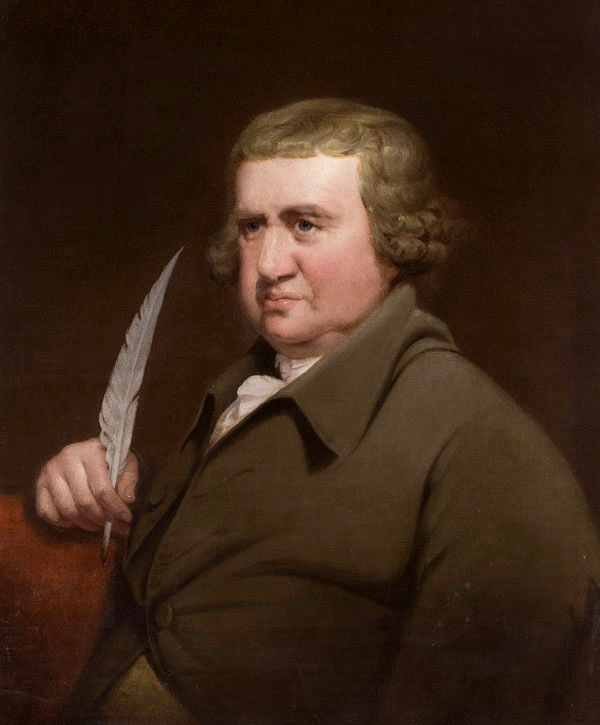



![Birds and Nature, Vol. 12 No. 1 [June 1902]illustrated by Color Photography](/_next/image?url=https%3A%2F%2Fd3b2n8gj62qnwr.cloudfront.net%2FCOVERS%2Fgutenberg_covers75k%2Febook-47881.png&w=3840&q=75)