The Botanic Garden, a Poem in Two Parts. Part 1: The Economy of Vegetation
1791
In 1791, Erasmus Darwin attempted something that now seems impossible: he wrote a poem about botany that a cultured reader might actually want to read aloud. The grandfather of Charles Darwin was a physician, inventor, and poet who believed science and imagination belonged together. Part I, "The Economy of Vegetation," launches into heroic couplets celebrating the life of plants, drawing on Linnaeus's newly translated classification system while surrounding every root and stamen with mythological company. Nymphs tend the sap, gnomes minister to minerals, the goddess of botany descends to bless the whole green enterprise. Darwin personifies the elements, meteorology, and chemical processes into a court of elemental beings, making the invisible economy of plant life visible through verse. The poem includes extensive philosophical notes, because Darwin wanted readers to understand the actual science beneath his metaphors. The result is a time capsule of Enlightenment optimism, when classifying the natural world felt like writing epic poetry, and when a man could seriously believe that explaining photosynthesis deserved both footnotes and a invocation to the goddess of flowers.
Editions
Link to this book
Add a free, dofollow link to Lex on your blog, forum, syllabus, or reading list.

<a href="https://lex-books.com/book/the-botanic-garden-a-poem-in-two-parts-part-1-the-economy-of-vegetation-7ae30db9-a2c4-4502-a526-6b548c7fb9e6"><img src="https://lex-books.com/badges/read-on-lex.svg" alt="Read The Botanic Garden, a Poem in Two Parts. Part 1: The Economy of Vegetation by Erasmus Darwin free on Lex" width="160" height="40"></a>[](https://lex-books.com/book/the-botanic-garden-a-poem-in-two-parts-part-1-the-economy-of-vegetation-7ae30db9-a2c4-4502-a526-6b548c7fb9e6)[url=https://lex-books.com/book/the-botanic-garden-a-poem-in-two-parts-part-1-the-economy-of-vegetation-7ae30db9-a2c4-4502-a526-6b548c7fb9e6][img]https://lex-books.com/badges/read-on-lex.svg[/img][/url]Read The Botanic Garden, a Poem in Two Parts. Part 1: The Economy of Vegetation by Erasmus Darwin free on Lex: https://lex-books.com/book/the-botanic-garden-a-poem-in-two-parts-part-1-the-economy-of-vegetation-7ae30db9-a2c4-4502-a526-6b548c7fb9e6Cite this book
Reading this edition for a paper or guide? Copy a citation.
Darwin, Erasmus. The Botanic Garden, a Poem in Two Parts. Part 1: The Economy of Vegetation. Lex, lex-books.com/book/the-botanic-garden-a-poem-in-two-parts-part-1-the-economy-of-vegetation-7ae30db9-a2c4-4502-a526-6b548c7fb9e6.Darwin, E. (1791). The Botanic Garden, a Poem in Two Parts. Part 1: The Economy of Vegetation. Lex. https://lex-books.com/book/the-botanic-garden-a-poem-in-two-parts-part-1-the-economy-of-vegetation-7ae30db9-a2c4-4502-a526-6b548c7fb9e6Darwin, Erasmus. The Botanic Garden, a Poem in Two Parts. Part 1: The Economy of Vegetation. Lex. https://lex-books.com/book/the-botanic-garden-a-poem-in-two-parts-part-1-the-economy-of-vegetation-7ae30db9-a2c4-4502-a526-6b548c7fb9e6.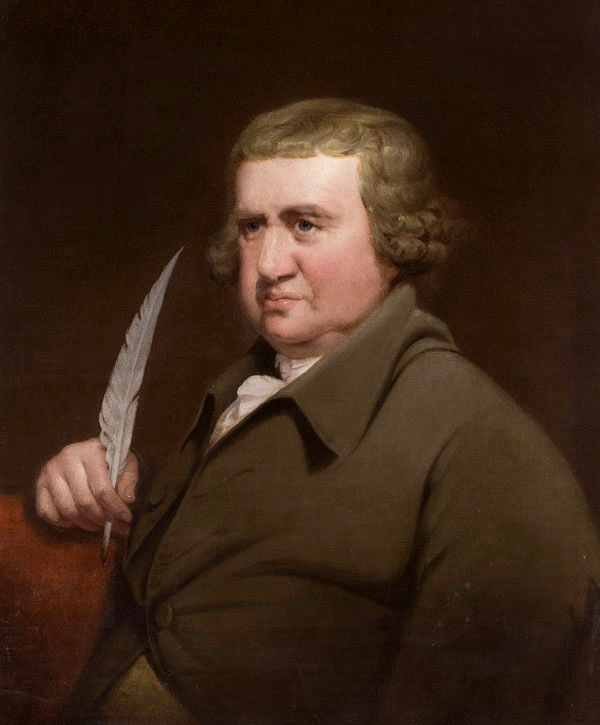



![Birds and Nature, Vol. 12 No. 1 [June 1902]illustrated by Color Photography](/_next/image?url=https%3A%2F%2Fd3b2n8gj62qnwr.cloudfront.net%2FCOVERS%2Fgutenberg_covers75k%2Febook-47881.png&w=3840&q=75)