Utopia (Burnet translation)
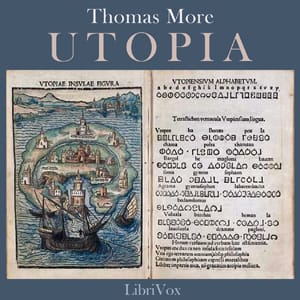
Thomas More invented a word that would outlast empires. In this 1516 masterpiece, the reader encounters Raphael Hythloday, a globe-trotting sailor who has lived on a mysterious island called Utopia where every absurd custom is presented with deadpan seriousness. The citizens wear simple wool, reserve gold for chamber pots and chains, inspect potential spouses nude before marriage, and live in enforced equality where private property has been abolished. Yet More, a man who would be executed for refusing to accept Henry VIII's supremacy over the Church, wraps his satire in genuine questions: Is this strange society better than war-torn Europe? Can perfection ever be achieved, or does the word "Utopia" (from the Greek for "no place") reveal its own impossibility? The brilliance lies in the ambiguity: More never quite tells us whether he advocates for Hythloday's island or exposes the fatal contradictions inherent in any attempt to engineer a perfect society. Five centuries later, we still use his invented word, still argue about its possibilities, still recognize the uncomfortable mirror he holds to our own utopian fantasies.
Editions


Link to this book
Add a free, dofollow link to Lex on your blog, forum, syllabus, or reading list.

<a href="https://lex-books.com/book/utopia-burnet-translation-255245a5-ecfc-4a18-ba5f-ccabe5848427"><img src="https://lex-books.com/badges/read-on-lex.svg" alt="Read Utopia (Burnet translation) by Thomas, Saint More free on Lex" width="160" height="40"></a>[](https://lex-books.com/book/utopia-burnet-translation-255245a5-ecfc-4a18-ba5f-ccabe5848427)[url=https://lex-books.com/book/utopia-burnet-translation-255245a5-ecfc-4a18-ba5f-ccabe5848427][img]https://lex-books.com/badges/read-on-lex.svg[/img][/url]Read Utopia (Burnet translation) by Thomas, Saint More free on Lex: https://lex-books.com/book/utopia-burnet-translation-255245a5-ecfc-4a18-ba5f-ccabe5848427Cite this book
Reading this edition for a paper or guide? Copy a citation.
Thomas, Saint More. Utopia (Burnet translation). Lex, lex-books.com/book/utopia-burnet-translation-255245a5-ecfc-4a18-ba5f-ccabe5848427.Thomas, S. M. (n.d.). Utopia (Burnet translation). Lex. https://lex-books.com/book/utopia-burnet-translation-255245a5-ecfc-4a18-ba5f-ccabe5848427Thomas, Saint More. Utopia (Burnet translation). Lex. https://lex-books.com/book/utopia-burnet-translation-255245a5-ecfc-4a18-ba5f-ccabe5848427.