Urbain Grandier: Celebrated Crimes
1840

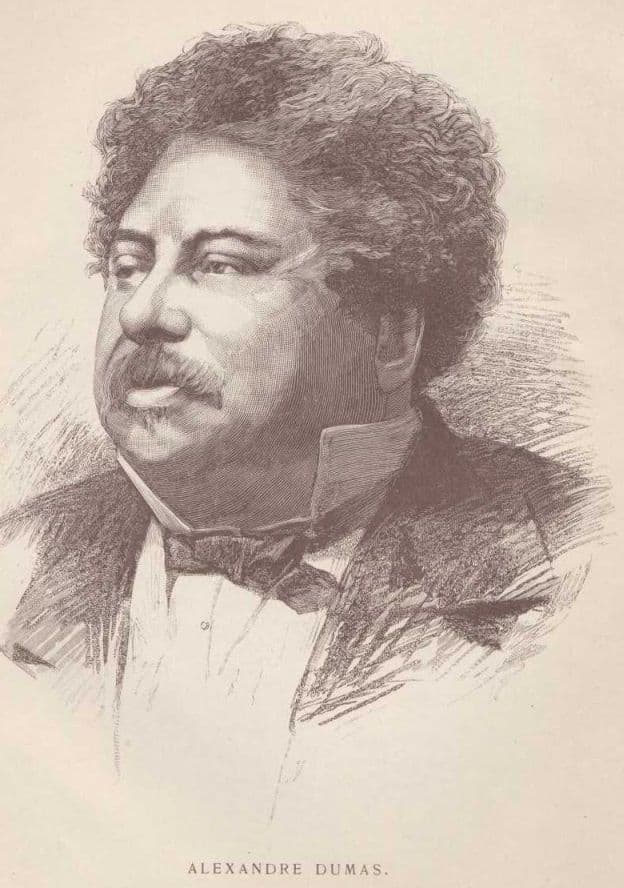
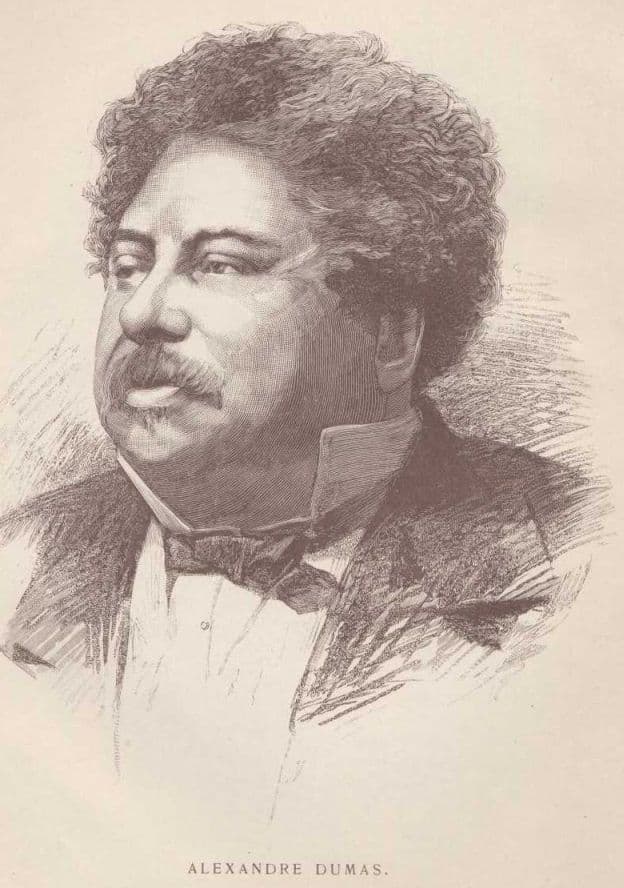
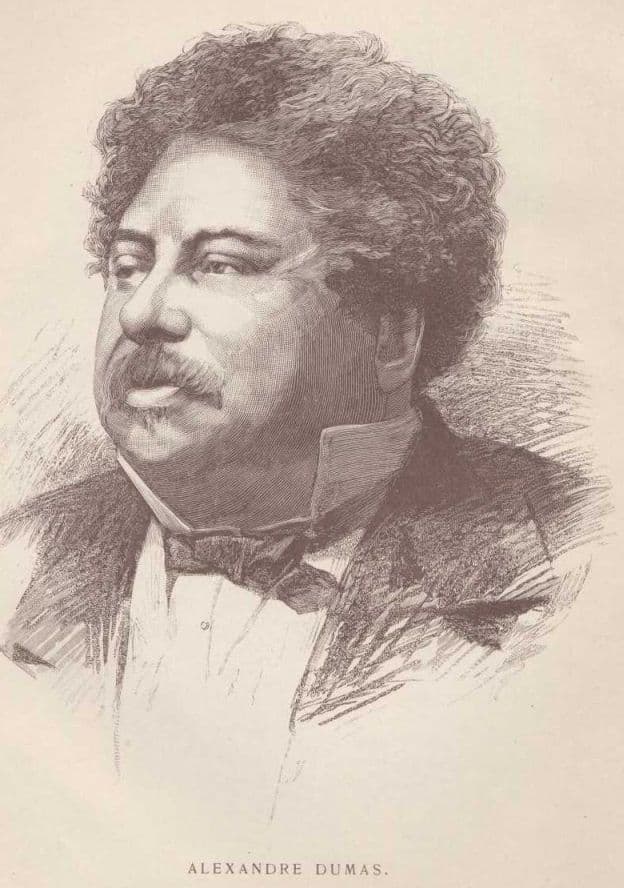
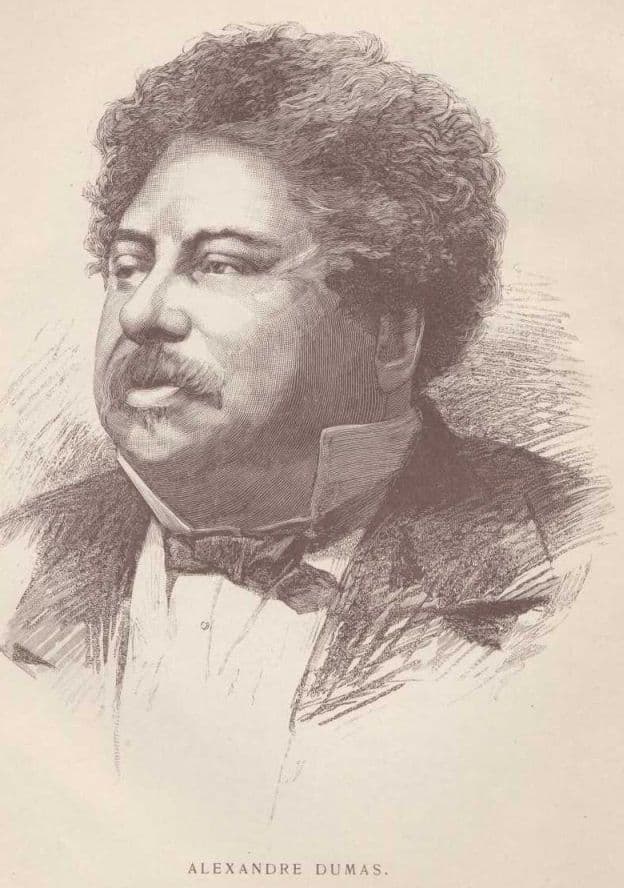
In 1630s France, a charismatic priest named Urbain Grandier had everything: looks, intellect, the admiration of his congregation, and a gift for scandal. He also had enemies. When the nuns of Loudun begin screaming in tongues and contorting in convulsions, the town sees its chance. Accusations of witchcraft fly. But this was never about demons. It was about silencing a man who knew too much, who had mocked the wrong powerful men, who stood in the way of Cardinal Richelieu's consolidation of power. Dumas reconstructs the trial with novelist's instinct: the hysterical nuns, the bribed witnesses, the judge already handed his verdict. Grandier burned at the stake, maintaining his innocence to the end. This is historical true crime at its most vicious, a story about how easily faith becomes a weapon and justice bends before ambition. It has fascinated Huxley, Penderecki, Ken Russell, and generations of readers because it asks the question we still cannot fully answer: how does an innocent man die when everyone agrees he is guilty?
Editions
Link to this book
Add a free, dofollow link to Lex on your blog, forum, syllabus, or reading list.

<a href="https://lex-books.com/book/urbain-grandier-celebrated-crimes-34935fe8-8a2c-4721-a9ce-d49008a39a69"><img src="https://lex-books.com/badges/read-on-lex.svg" alt="Read Urbain Grandier: Celebrated Crimes by Alexandre Dumas free on Lex" width="160" height="40"></a>[](https://lex-books.com/book/urbain-grandier-celebrated-crimes-34935fe8-8a2c-4721-a9ce-d49008a39a69)[url=https://lex-books.com/book/urbain-grandier-celebrated-crimes-34935fe8-8a2c-4721-a9ce-d49008a39a69][img]https://lex-books.com/badges/read-on-lex.svg[/img][/url]Read Urbain Grandier: Celebrated Crimes by Alexandre Dumas free on Lex: https://lex-books.com/book/urbain-grandier-celebrated-crimes-34935fe8-8a2c-4721-a9ce-d49008a39a69Cite this book
Reading this edition for a paper or guide? Copy a citation.
Dumas, Alexandre. Urbain Grandier: Celebrated Crimes. Lex, lex-books.com/book/urbain-grandier-celebrated-crimes-34935fe8-8a2c-4721-a9ce-d49008a39a69.Dumas, A. (1840). Urbain Grandier: Celebrated Crimes. Lex. https://lex-books.com/book/urbain-grandier-celebrated-crimes-34935fe8-8a2c-4721-a9ce-d49008a39a69Dumas, Alexandre. Urbain Grandier: Celebrated Crimes. Lex. https://lex-books.com/book/urbain-grandier-celebrated-crimes-34935fe8-8a2c-4721-a9ce-d49008a39a69.




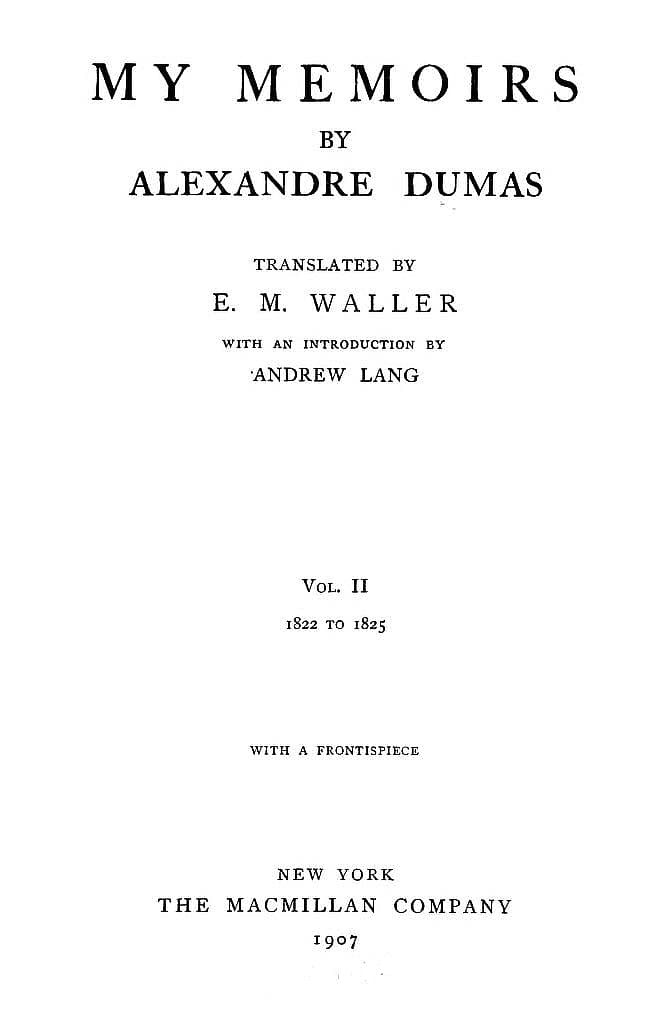
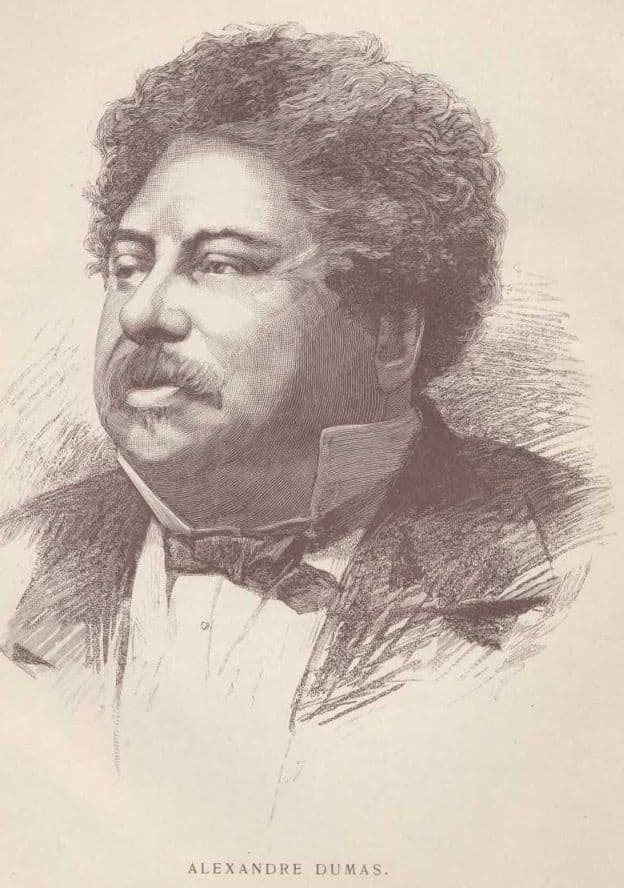

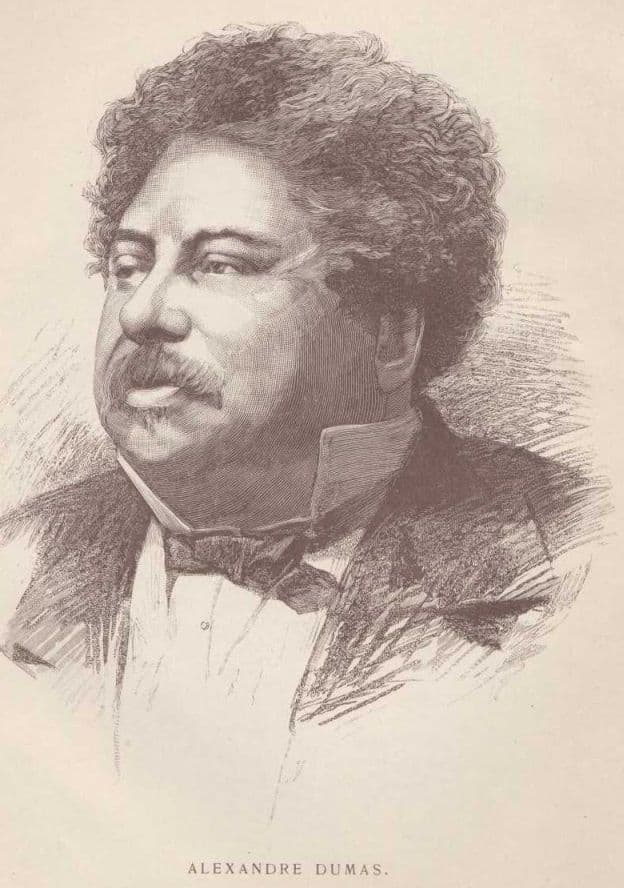
![Alexandre Dumas, [Père] (Gutenberg Index)](/_next/image?url=https%3A%2F%2Fd3b2n8gj62qnwr.cloudfront.net%2FCOVERS%2Fgutenberg_covers75k%2Febook-58024.png&w=3840&q=75)