The Borgias: Celebrated Crimes
1839
The Borgias: Celebrated Crimes
1839
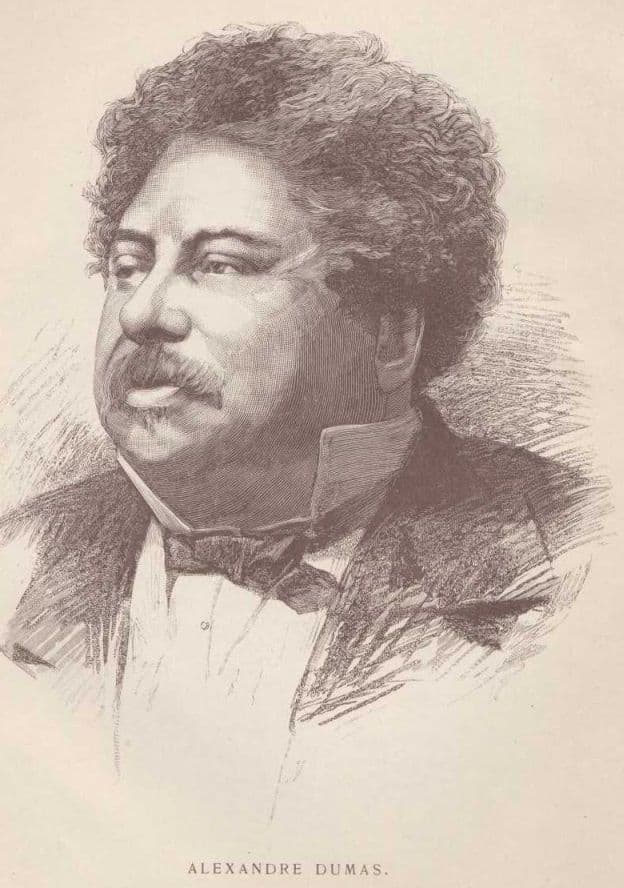
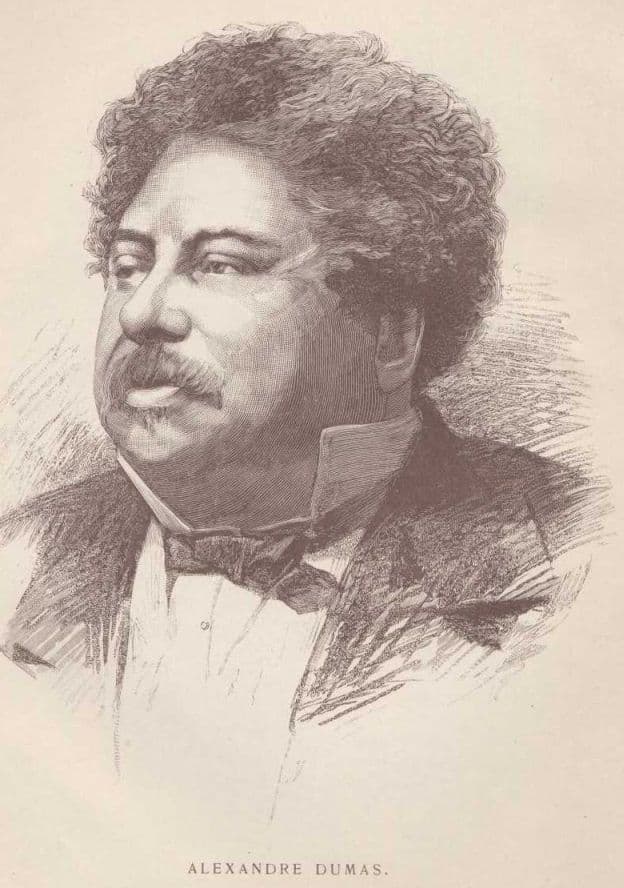
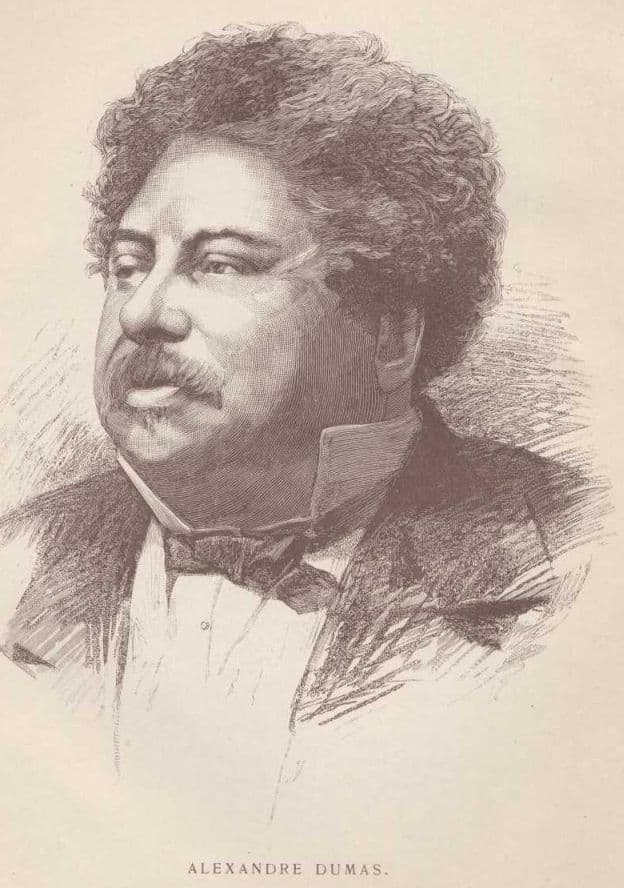
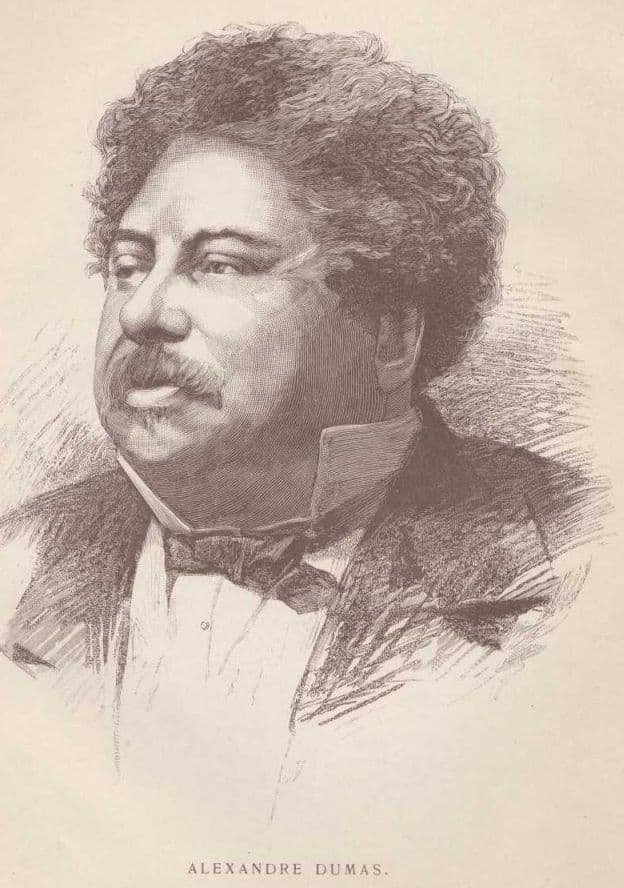
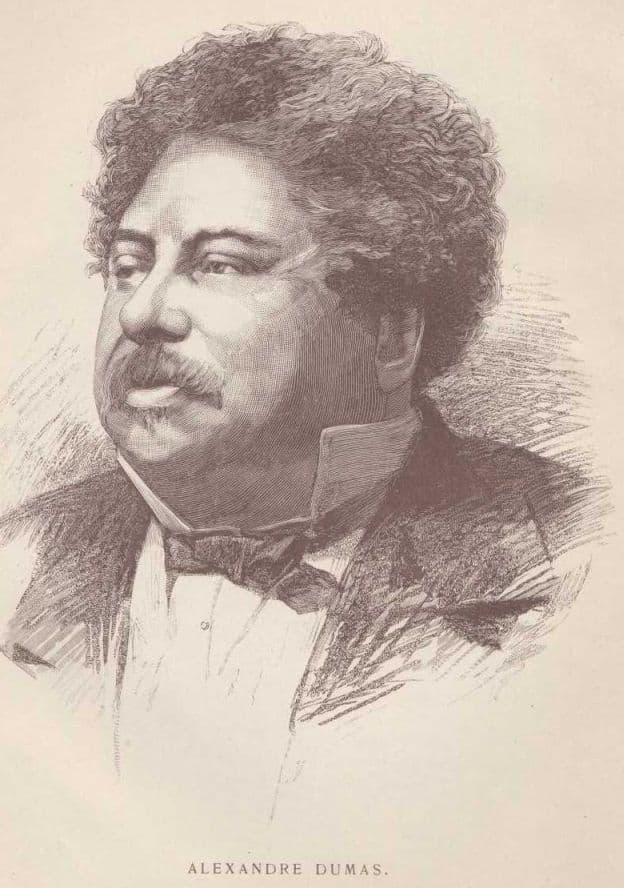
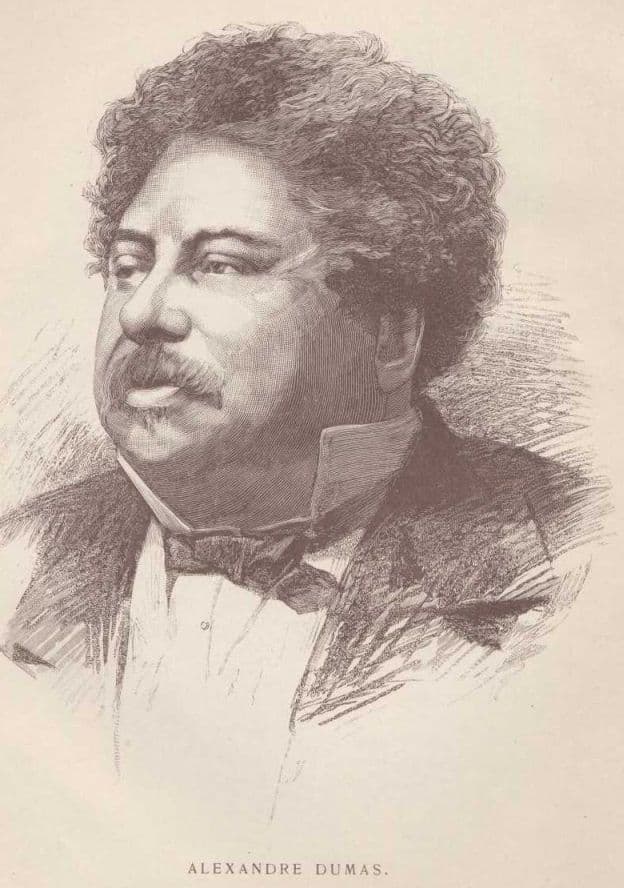
Alexandre Dumas turns his novelist's eye toward history's most notorious dynasty, and the result is as scandalous as the Borgias themselves. This is not sober scholarship but sensational storytelling: Dumas gleefully dishes the rumors, poisonings, incest accusations, and political machinations that have made the Borgia name synonymous with Renaissance decadence. Beginning with a gripping deathbed scene - Lorenzo de' Medici confesses his moral failures as the ascetic Savonarola looms - the narrative sweeps through the papal conclave that elevates Roderigo Borgia to Pope Alexander VI and into the merciless ambitions of his children, Cesare and Lucrezia. Dumas writes with the same propulsive energy he brought to The Three Musketeers, transforming historical figures into characters from a dark fairy tale. The violence is vivid, the scandals unfiltered, and the moral universe entirely corrupt. Readers should approach with caution: Dumas cares more about a good story than accuracy, and the careful reader will recognize where drama overrides documentation. For those who want their history with poison, intrigue, and absolutely no moralizing.
Editions
X-Ray
“As to the new pope, scarcely had he completed the formalities of etiquette which his exaltation imposed upon him, and paid to each man the price of his simony, when from the height of the Vatican he cast his eyes upon Europe, a vast political game of chess, which he cherished the hope of directing at the will of his own genius.””
— Alexandre Dumas
“The subjects which he has chosen, however, are of both historic and dramatic importance, and they have the added value of giving the modern reader a clear picture of the state of semi-lawlessness which existed in Europe, during the middle ages.””
— Alexandre Dumas
“these groups followed some solitary passer-by, hurrying his steps; one after another the doors were closed, one after””
— Alexandre Dumas
“and he began to preach once more in the cathedral, with a success that was all the greater for the interruption, and an influence far more formidable than before, because it was strengthened by that sympathy of the masses which an unjust persecution always inspires.””
— Alexandre Dumas
“The Imperial throne was occupied by Frederic III, who had been rightly named the Peaceful, not for the reason that he had always maintained peace, but because, having constantly been beaten, he had always been forced to make it.””
— Alexandre Dumas
About The Borgias: Celebrated Crimes
Chapter Summaries
- Prologue
- Lorenzo de' Medici lies dying, attended by three humanist scholars. Savonarola arrives to give last rites but demands Lorenzo restore Florence's liberty as a condition of absolution, which Lorenzo refuses.
- 1
- The conclave to elect a new pope after Innocent VIII's death. Roderigo Borgia bribes cardinals with promises of wealth and position, securing his election as Alexander VI through systematic corruption.
- 2
- A survey of the major European powers and Italian states circa 1492, establishing the complex political situation that Alexander VI must navigate to advance Borgia interests.
Key Themes
- Corruption of Religious Authority
- Alexander VI embodies the complete corruption of the papacy, using sacred office for personal gain and family advancement. His simony, nepotism, and immoral behavior represent the degradation of spiritual authority.
- Political Machiavellianism
- The work demonstrates Renaissance realpolitik where moral considerations are subordinated to political necessity. Characters manipulate, betray, and murder to achieve their goals, anticipating Machiavelli's principles.
- Divine Justice and Retribution
- Savonarola's prophecies and the subsequent French invasion suggest divine punishment for Italy's sins. The work presents a moral universe where corruption ultimately brings destruction.
Characters
- Alexander VI (Roderigo Borgia)(protagonist)
- Born Roderigo Lenzuolo in Valencia, he becomes Pope through bribery and simony. A master of political manipulation and hypocrisy, he seeks to establish temporal power for the papacy and advance his illegitimate children.
- Caesar Borgia(major)
- Alexander's ambitious and ruthless son, initially made a cardinal against his wishes. Skilled in warfare and intrigue, he embodies the motto 'Aut Caesar, aut nihil' (Caesar or nothing).
- Lucrezia Borgia(major)
- Alexander's daughter, described as having 'the head of a Raphael Madonna and the heart of a Messalina.' Used as a political pawn through multiple marriages while maintaining incestuous relationships.
- Lorenzo de' Medici (Lorenzo the Magnificent)(major)
- Dying ruler of Florence who refuses Savonarola's demand to restore republican liberty. His death marks the end of an era and the beginning of the Borgia ascendancy.
- Girolamo Savonarola(major)
- Dominican friar and reformer who prophesies divine judgment on Italy. He refuses to absolve Lorenzo unless he restores Florence's liberty, representing moral authority against political corruption.
- Charles VIII of France(major)
- Young French king who invades Italy to claim Naples. Physically deformed but ambitious, he becomes the instrument of divine judgment that Savonarola predicted.
Link to this book
Add a free, dofollow link to Lex on your blog, forum, syllabus, or reading list.

<a href="https://lex-books.com/book/the-borgias-celebrated-crimes-2baac601-9f02-41d4-8983-a40e903ae3be"><img src="https://lex-books.com/badges/read-on-lex.svg" alt="Read The Borgias: Celebrated Crimes by Alexandre Dumas free on Lex" width="160" height="40"></a>[](https://lex-books.com/book/the-borgias-celebrated-crimes-2baac601-9f02-41d4-8983-a40e903ae3be)[url=https://lex-books.com/book/the-borgias-celebrated-crimes-2baac601-9f02-41d4-8983-a40e903ae3be][img]https://lex-books.com/badges/read-on-lex.svg[/img][/url]Read The Borgias: Celebrated Crimes by Alexandre Dumas free on Lex: https://lex-books.com/book/the-borgias-celebrated-crimes-2baac601-9f02-41d4-8983-a40e903ae3beCite this book
Reading this edition for a paper or guide? Copy a citation.
Dumas, Alexandre. The Borgias: Celebrated Crimes. Lex, lex-books.com/book/the-borgias-celebrated-crimes-2baac601-9f02-41d4-8983-a40e903ae3be.Dumas, A. (1839). The Borgias: Celebrated Crimes. Lex. https://lex-books.com/book/the-borgias-celebrated-crimes-2baac601-9f02-41d4-8983-a40e903ae3beDumas, Alexandre. The Borgias: Celebrated Crimes. Lex. https://lex-books.com/book/the-borgias-celebrated-crimes-2baac601-9f02-41d4-8983-a40e903ae3be.









![Alexandre Dumas, [Père] (Gutenberg Index)](/_next/image?url=https%3A%2F%2Fd3b2n8gj62qnwr.cloudfront.net%2FCOVERS%2Fgutenberg_covers75k%2Febook-58024.png&w=3840&q=75)