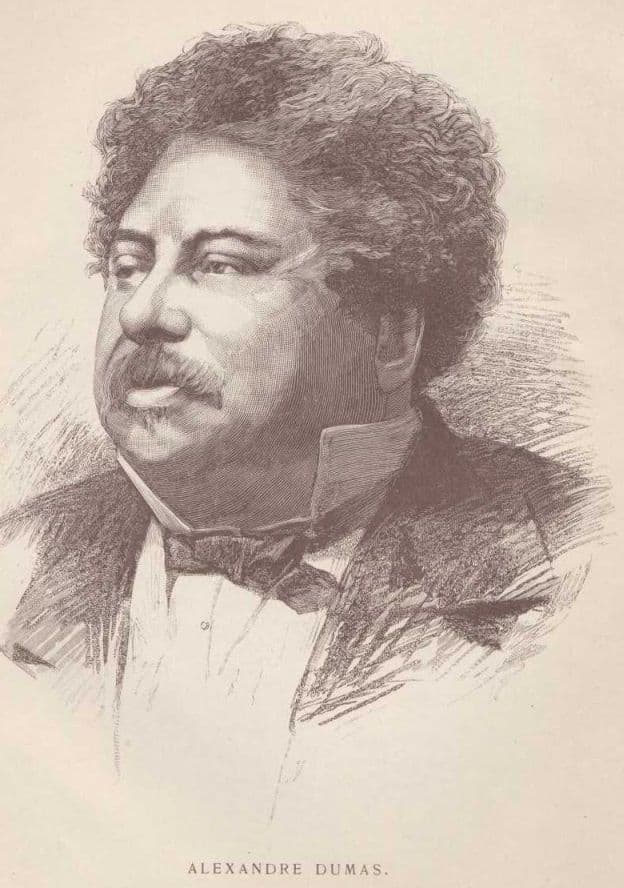
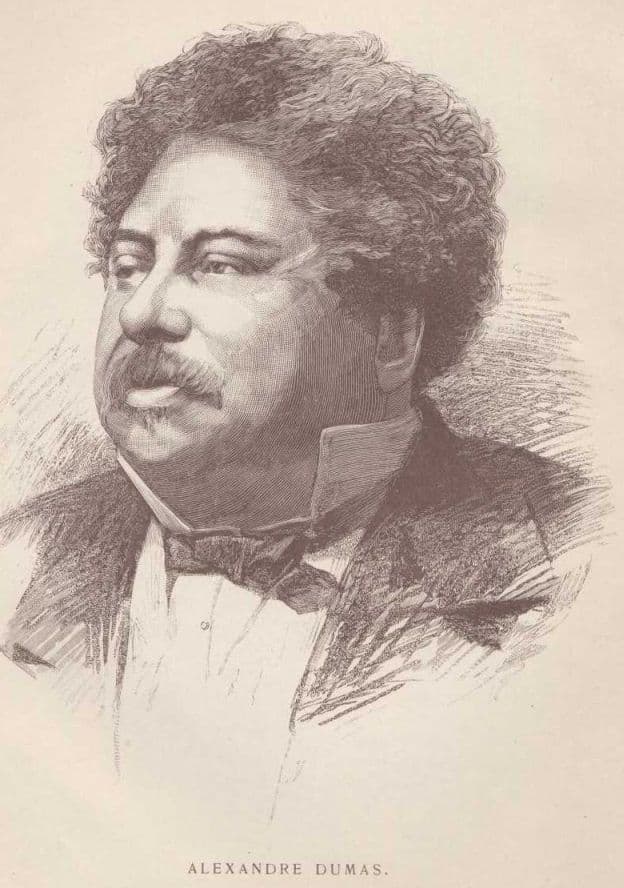
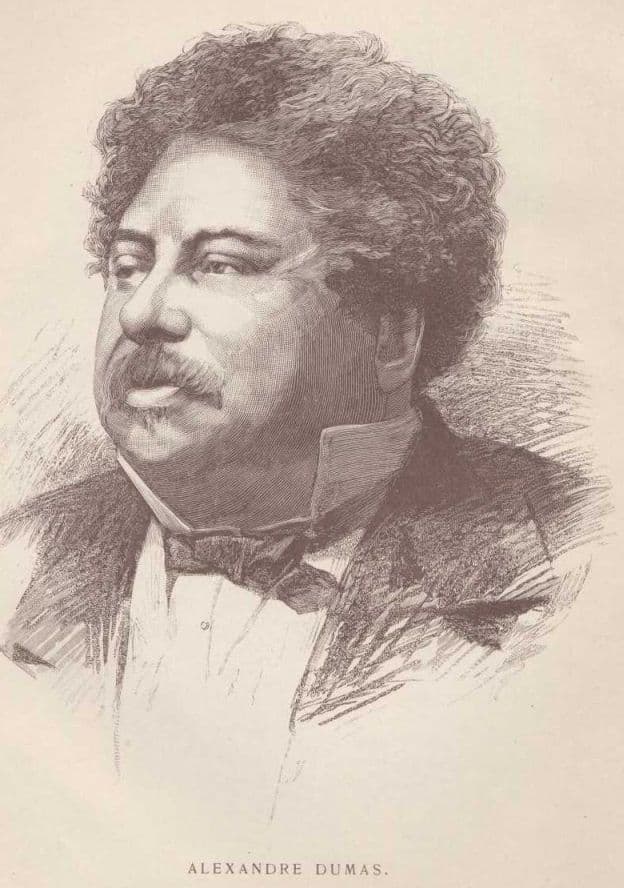
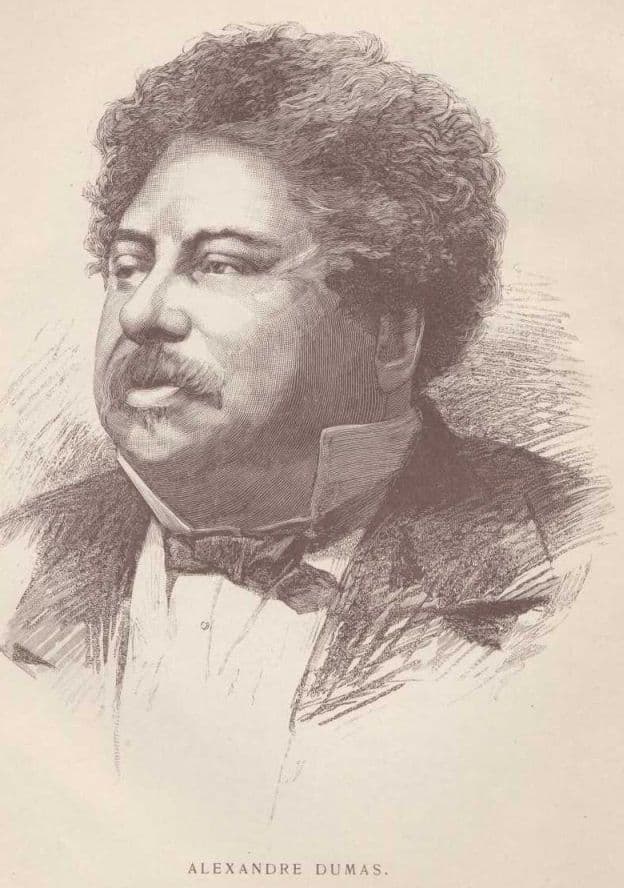
Mary Stuart: Celebrated Crimes
1840
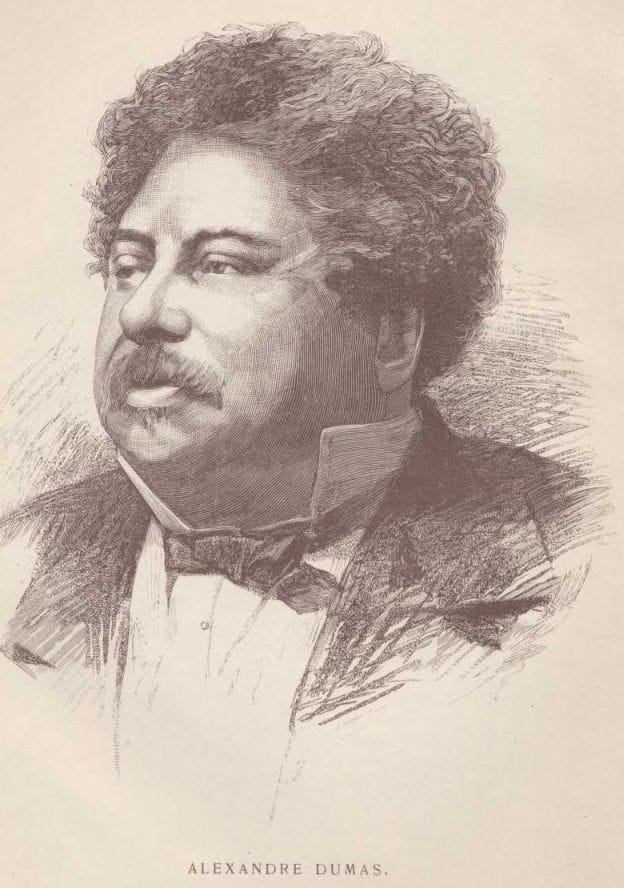
Alexandre Dumas turns his legendary narrative gifts to the tragic life of Mary Stuart, Queen of Scots, and the result is as electrifying as any of his fictional adventures. Raised in the opulent French court, Mary returns to a Scotland torn by religious war and noble betrayal, a young queen armed with beauty, ambition, and dangerous passion. Dumas presents her not as a passive victim of history but as a formidable figure who refused to surrender her claim to power or her heart, even as Elizabeth I of England closed in for the kill. The book traces Mary's three doomed marriages, her entanglement in Bloody Mary's assassination, her imprisonment for nineteen grueling years, and her final walk to the scaffold. What elevates this beyond historical chronicle is Dumas's understanding that Mary's tragedy lies in her refusal to be less than fully alive in an age that demanded women be less than fully human. Four centuries later, her story still burns with the heat of passion, the cold calculation of power, and the terrible price of wearing a crown.
Editions
X-Ray
“The voice of the majority is no proof of justice””
— Alexandre Dumas
“Der Ring macht Ehen,und Ringe sind's, die eine Kette machen.II, 2. (Elisabeth)””
— Alexandre Dumas
“Three noble heads cut off in sacrifice for her. But nothing - nothing - can deter the jostling swarms of madmen, pushing forth to jump into the abyss - to waste their lives - for her. And every day the scaffolds heave to hang the new - and newer - martyrs for her cause. Black day that England ever welcomed her.””
— Alexandre Dumas
Link to this book
Add a free, dofollow link to Lex on your blog, forum, syllabus, or reading list.

<a href="https://lex-books.com/book/mary-stuart-celebrated-crimes-1ec1180f-4e70-43ae-8b65-3fe1e74860d8"><img src="https://lex-books.com/badges/read-on-lex.svg" alt="Read Mary Stuart: Celebrated Crimes by Alexandre Dumas free on Lex" width="160" height="40"></a>[](https://lex-books.com/book/mary-stuart-celebrated-crimes-1ec1180f-4e70-43ae-8b65-3fe1e74860d8)[url=https://lex-books.com/book/mary-stuart-celebrated-crimes-1ec1180f-4e70-43ae-8b65-3fe1e74860d8][img]https://lex-books.com/badges/read-on-lex.svg[/img][/url]Read Mary Stuart: Celebrated Crimes by Alexandre Dumas free on Lex: https://lex-books.com/book/mary-stuart-celebrated-crimes-1ec1180f-4e70-43ae-8b65-3fe1e74860d8Cite this book
Reading this edition for a paper or guide? Copy a citation.
Dumas, Alexandre. Mary Stuart: Celebrated Crimes. Lex, lex-books.com/book/mary-stuart-celebrated-crimes-1ec1180f-4e70-43ae-8b65-3fe1e74860d8.Dumas, A. (1840). Mary Stuart: Celebrated Crimes. Lex. https://lex-books.com/book/mary-stuart-celebrated-crimes-1ec1180f-4e70-43ae-8b65-3fe1e74860d8Dumas, Alexandre. Mary Stuart: Celebrated Crimes. Lex. https://lex-books.com/book/mary-stuart-celebrated-crimes-1ec1180f-4e70-43ae-8b65-3fe1e74860d8.


![Alexandre Dumas, [Père] (Gutenberg Index)](/_next/image?url=https%3A%2F%2Fd3b2n8gj62qnwr.cloudfront.net%2FCOVERS%2Fgutenberg_covers75k%2Febook-58024.png&w=3840&q=75)