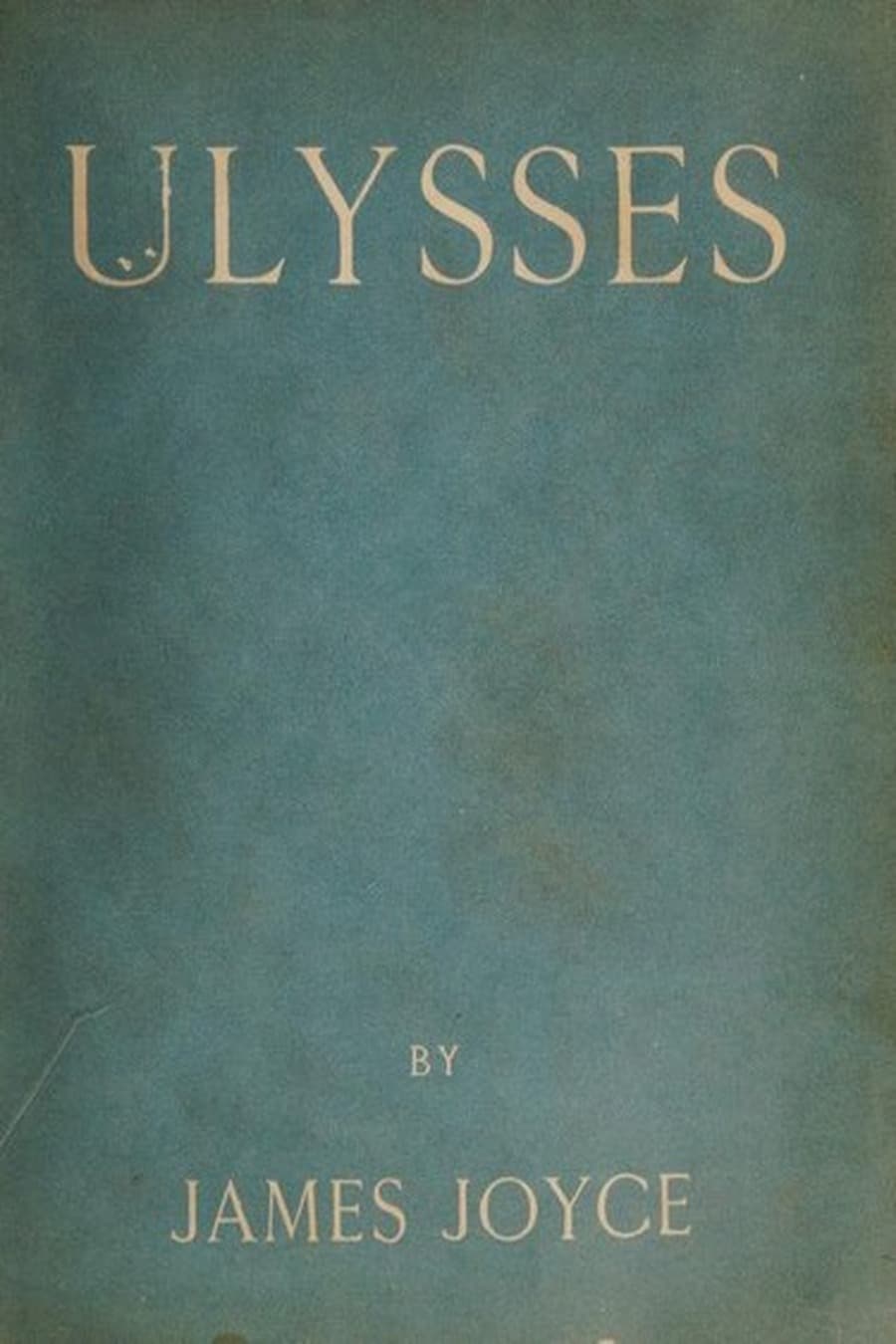
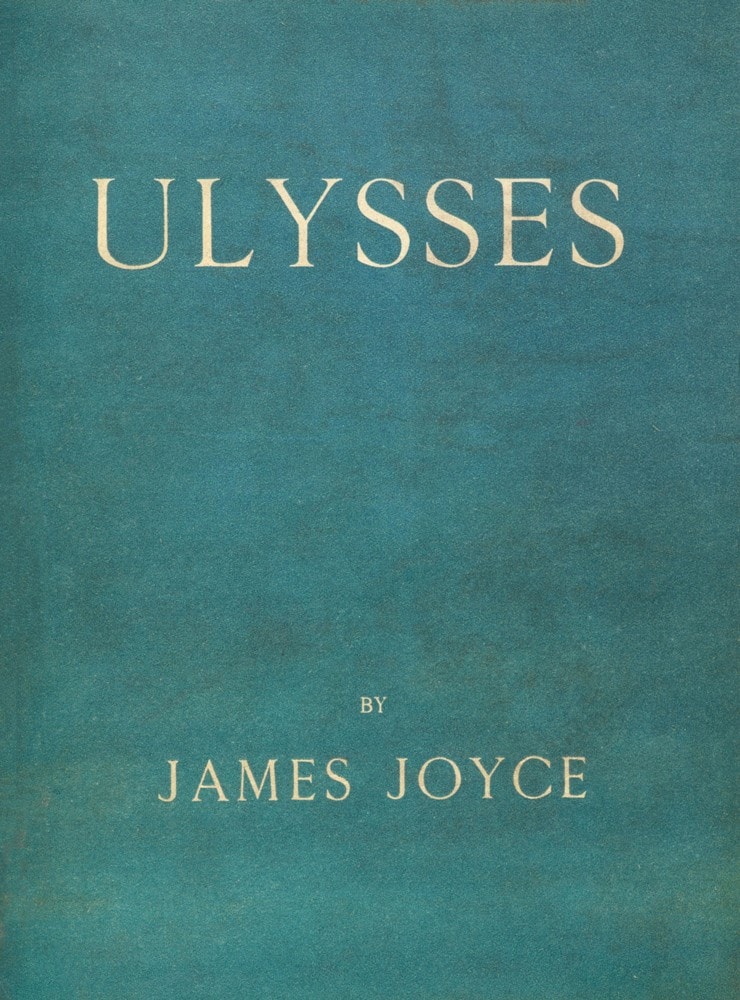
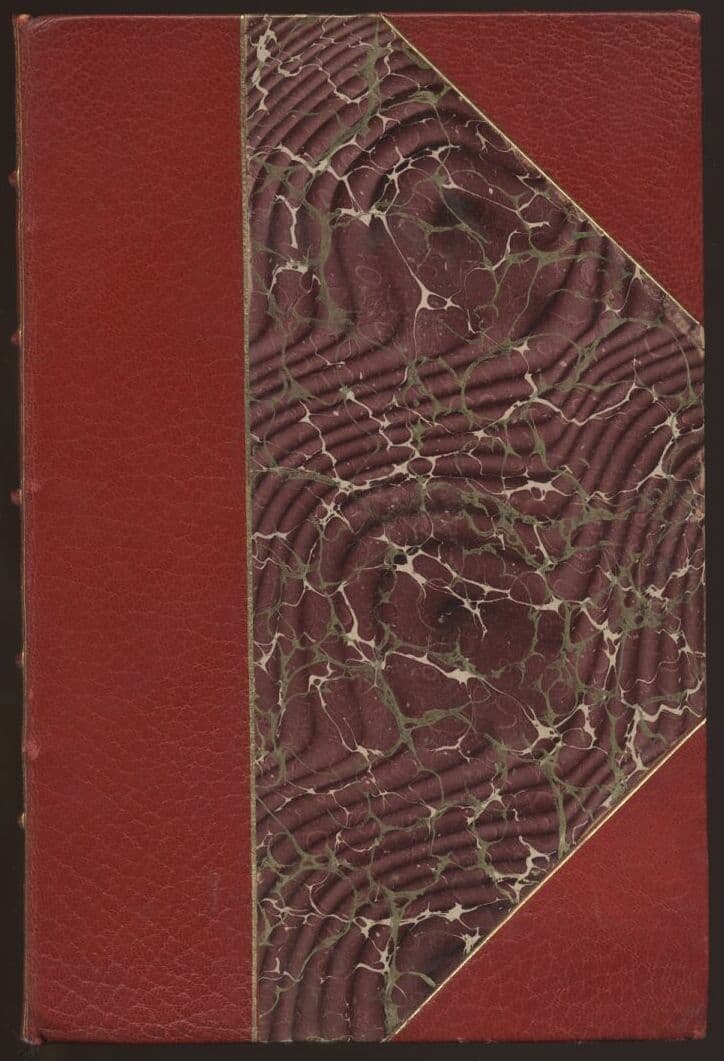
Ulysses
1922
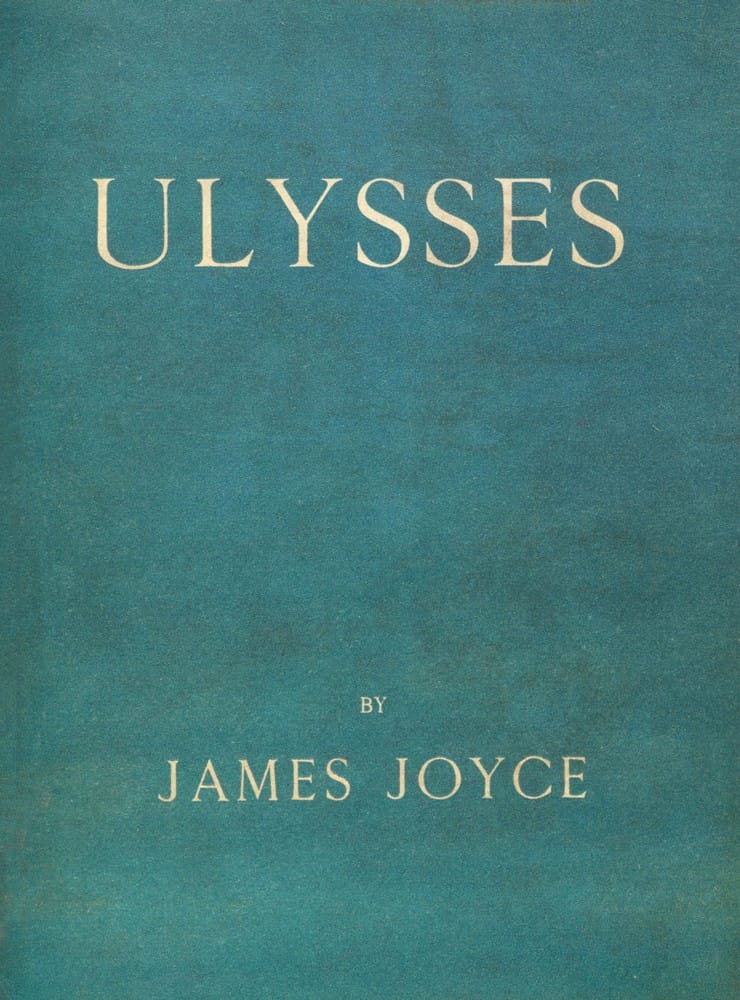
One day in Dublin. Three minds. Joyce maps every flicker of consciousness across sixteen hours, finding epic scale in the mundane: a man buying kidneys, a poet wandering the city, a wife in bed reviewing her lovers. This is the novel that broke the English language open, that proved a single day could contain everything a life contains. Joyce doesn't just tell stories; he captures thought itself, the ceaseless interior dialogue that runs beneath every moment. The result is a book that feels less like reading and more like living inside someone else's mind. It was banned, burned, and defended in court because it dared to depict desire and grief with unflinching honesty. A century later, it remains the most radical act of empathy in literature: to make the reader understand that every ordinary life is boundless.
Editions

X-Ray
“Think you're escaping and run into yourself. Longest way round is the shortest way home.””
— James Joyce
“History, Stephen said, is a nightmare from which I am trying to awake.””
— James Joyce
“I was a Flower of the mountain yes when I put the rose in my hair like the Andalusian girls used or shall I wear a red yes and how he kissed me under the Moorish wall and I thought well as well him as another and then I asked him with my eyes to ask again yes and then he asked me would I yes to say yes my mountain flower and first I put my arms around him yes and drew him down to me so he could feel my breasts all perfume yes and his heart was going like mad and yes I said yes I will Yes.””
— James Joyce
“Love loves to love love.””
— James Joyce
“Every life is in many days, day after day. We walk through ourselves, meeting robbers, ghosts, giants, old men, young men, wives, widows, brothers-in-love, but always meeting ourselves.””
— James Joyce
“A man of genius makes no mistakes. His errors are volitional and are the portals of discovery.””
— James Joyce
“Her antiquity in preceding and surviving succeeding tellurian generations: her nocturnal predominance: her satellitic dependence: her luminary reflection: her constancy under all her phases, rising and setting by her appointed times, waxing and waning: the forced invariability of her aspect: her indeterminate response to inaffirmative interrogation: her potency over effluent and refluent waters: her power to enamour, to mortify, to invest with beauty, to render insane, to incite to and aid delinquency: the tranquil inscrutability of her visage: the terribility of her isolated dominant resplendent propinquity: her omens of tempest and of calm: the stimulation of her light, her motion and her presence: the admonition of her craters, her arid seas, her silence: her splendour, when visible: her attraction, when invisible.””
— James Joyce
“The sea, the snotgreen sea, the scrotumtightening sea.””
— James Joyce
“Shakespeare is the happy hunting ground of all minds that have lost their balance.””
— James Joyce
Link to this book
Add a free, dofollow link to Lex on your blog, forum, syllabus, or reading list.

<a href="https://lex-books.com/book/ulysses-acf1811e-bfac-4be7-9417-16bd2f3c6886"><img src="https://lex-books.com/badges/read-on-lex.svg" alt="Read Ulysses by James Joyce free on Lex" width="160" height="40"></a>[](https://lex-books.com/book/ulysses-acf1811e-bfac-4be7-9417-16bd2f3c6886)[url=https://lex-books.com/book/ulysses-acf1811e-bfac-4be7-9417-16bd2f3c6886][img]https://lex-books.com/badges/read-on-lex.svg[/img][/url]Read Ulysses by James Joyce free on Lex: https://lex-books.com/book/ulysses-acf1811e-bfac-4be7-9417-16bd2f3c6886Cite this book
Reading this edition for a paper or guide? Copy a citation.
Joyce, James. Ulysses. Lex, lex-books.com/book/ulysses-acf1811e-bfac-4be7-9417-16bd2f3c6886.Joyce, J. (1922). Ulysses. Lex. https://lex-books.com/book/ulysses-acf1811e-bfac-4be7-9417-16bd2f3c6886Joyce, James. Ulysses. Lex. https://lex-books.com/book/ulysses-acf1811e-bfac-4be7-9417-16bd2f3c6886.