Twenty-Six and One, and Other Stories
1899
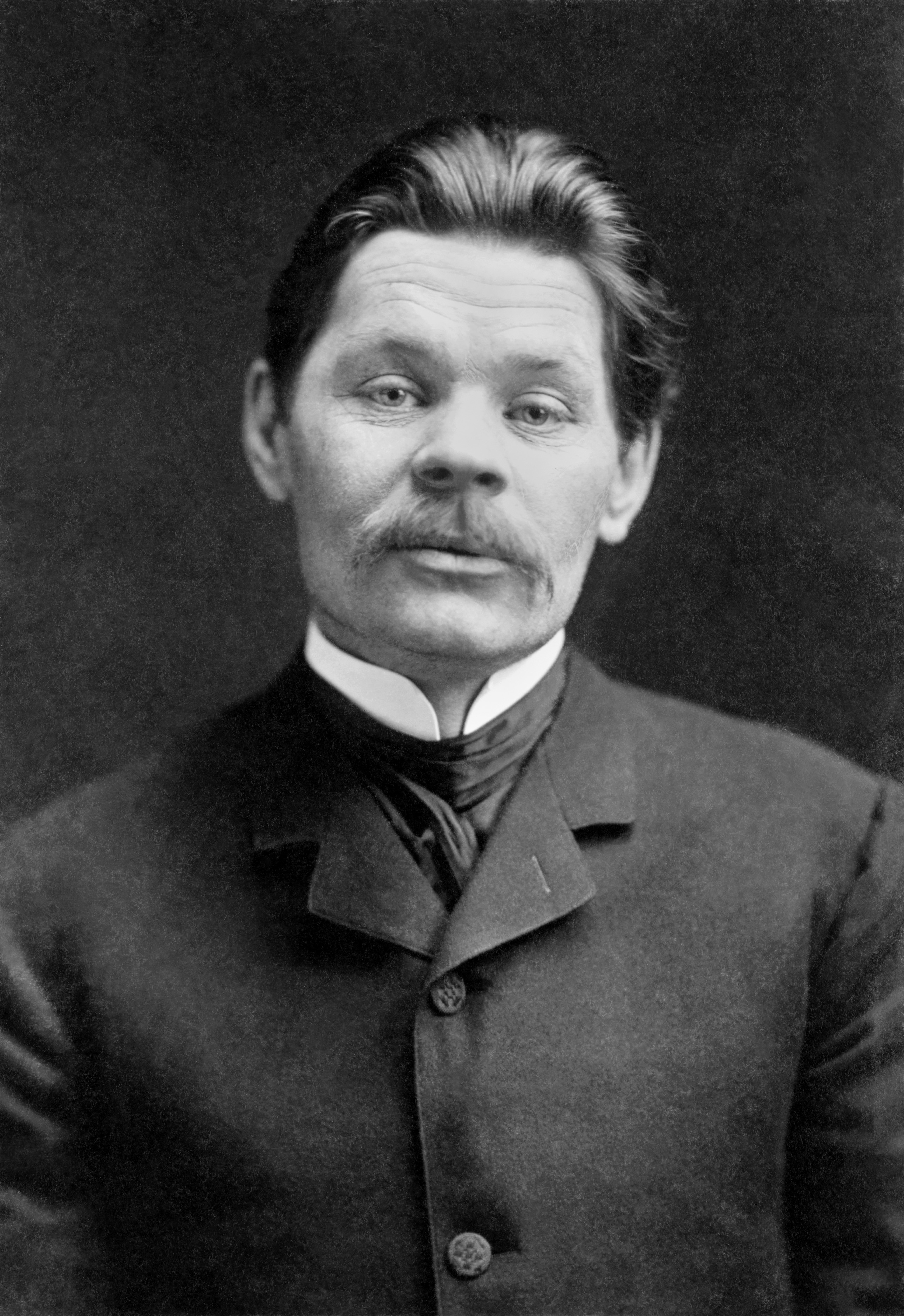
Gorky wrote these stories with the authority of someone who had lived them. Raised by a storyteller grandmother after being orphaned at nine, he wandered through Russia's underbelly working odd jobs, and every character in this collection carries that raw, autobiographical weight. The title story follows twenty-six bakers imprisoned in a damp cellar, toiling endlessly to produce biscuits and cakes they'll never taste, their existence a grinding monotony broken only by the arrival of Tanya, a chambermaid whose laughter and warmth become their only connection to something like joy. These are not neat narratives with tidy resolutions. They're fragments, glimpses into lives rarely documented by literature: tramps, laborers, outcasts surviving on the margins of a society that prefers not to see them. Gorky captures something essential about working-class solidarity and the small rebellions that make survival bearable. His prose is lean but aching, refusing to sentimentalize poverty while never stripping his characters of their humanity. Over a century later, these stories still sting because the people in them haven't disappeared.
Editions
X-Ray
“Remembrance of the past kills all present energy and deadens all hope for the future””
— Maksim Gorky
“The poor are always rich in children, and in the dirt and ditches of this street there are groups of them from morning to night, hungry, naked and dirty. Children are the living flowers of the earth, but these had the appearance of flowers that have faded prematurely, because they grew in ground where there was no healthy nourishment.””
— Maksim Gorky
“However low he may fall, a man can never deny himself the delight of feeling cleverer, more powerful or even better fed than his companions.””
— Maksim Gorky
“But silence is terrible and painful only to those who have said all and have nothing more to speak of; but to those who never had anything to say--to them silence is simple and easy. . . .””
— Maksim Gorky
“Aside from kringles, we gave Tanya much advice – to dress warmer, not to run fast on the stairs, and not to carry heavy bundles of wood. With a smile she listened, answered in a laugh and never obeyed us, but we were not offended: we only wanted to show that we were concerned for her.””
— Maksim Gorky
“We were twenty-six men, twenty-six living machines locked in a damp cellar where from morning to night we kneaded dough, making kringles and crackers. The cellar’s windows opened to a brick-lined hole, green with moisture; the frames bolted from outside with thick iron grating, and the sunlight could not pierce the glass, covered in flour dust. Our boss hammered the windows with iron so we could not give a piece of his bread to beggars, or to our comrades who had no work and were starving. Our boss called us swindlers and gave us for lunch instead of meat – tainted tripe.””
— Maksim Gorky
“This noise and brilliancy of sunlight, reverberated a thousand times by the sea, mingled harmoniously in ceaseless and joyous agitation.””
— Maksim Gorky
Link to this book
Add a free, dofollow link to Lex on your blog, forum, syllabus, or reading list.

<a href="https://lex-books.com/book/twenty-six-and-one-and-other-stories-2d5747c5-5cca-4615-8b3e-90260e63d126"><img src="https://lex-books.com/badges/read-on-lex.svg" alt="Read Twenty-Six and One, and Other Stories by Maksim Gorky free on Lex" width="160" height="40"></a>[](https://lex-books.com/book/twenty-six-and-one-and-other-stories-2d5747c5-5cca-4615-8b3e-90260e63d126)[url=https://lex-books.com/book/twenty-six-and-one-and-other-stories-2d5747c5-5cca-4615-8b3e-90260e63d126][img]https://lex-books.com/badges/read-on-lex.svg[/img][/url]Read Twenty-Six and One, and Other Stories by Maksim Gorky free on Lex: https://lex-books.com/book/twenty-six-and-one-and-other-stories-2d5747c5-5cca-4615-8b3e-90260e63d126Cite this book
Reading this edition for a paper or guide? Copy a citation.
Gorky, Maksim. Twenty-Six and One, and Other Stories. Lex, lex-books.com/book/twenty-six-and-one-and-other-stories-2d5747c5-5cca-4615-8b3e-90260e63d126.Gorky, M. (1899). Twenty-Six and One, and Other Stories. Lex. https://lex-books.com/book/twenty-six-and-one-and-other-stories-2d5747c5-5cca-4615-8b3e-90260e63d126Gorky, Maksim. Twenty-Six and One, and Other Stories. Lex. https://lex-books.com/book/twenty-six-and-one-and-other-stories-2d5747c5-5cca-4615-8b3e-90260e63d126.