Tractatus Logico-Philosophicus
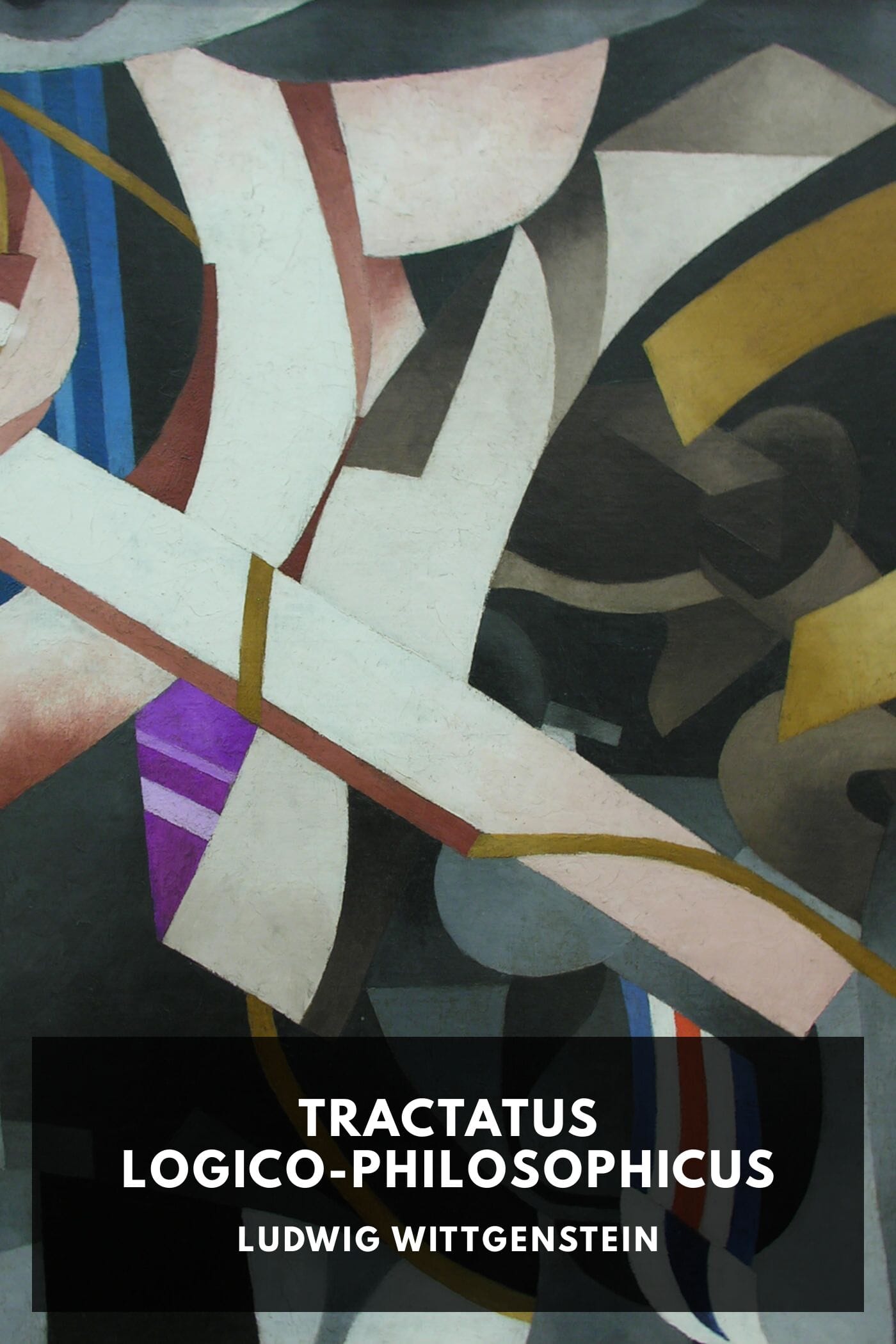
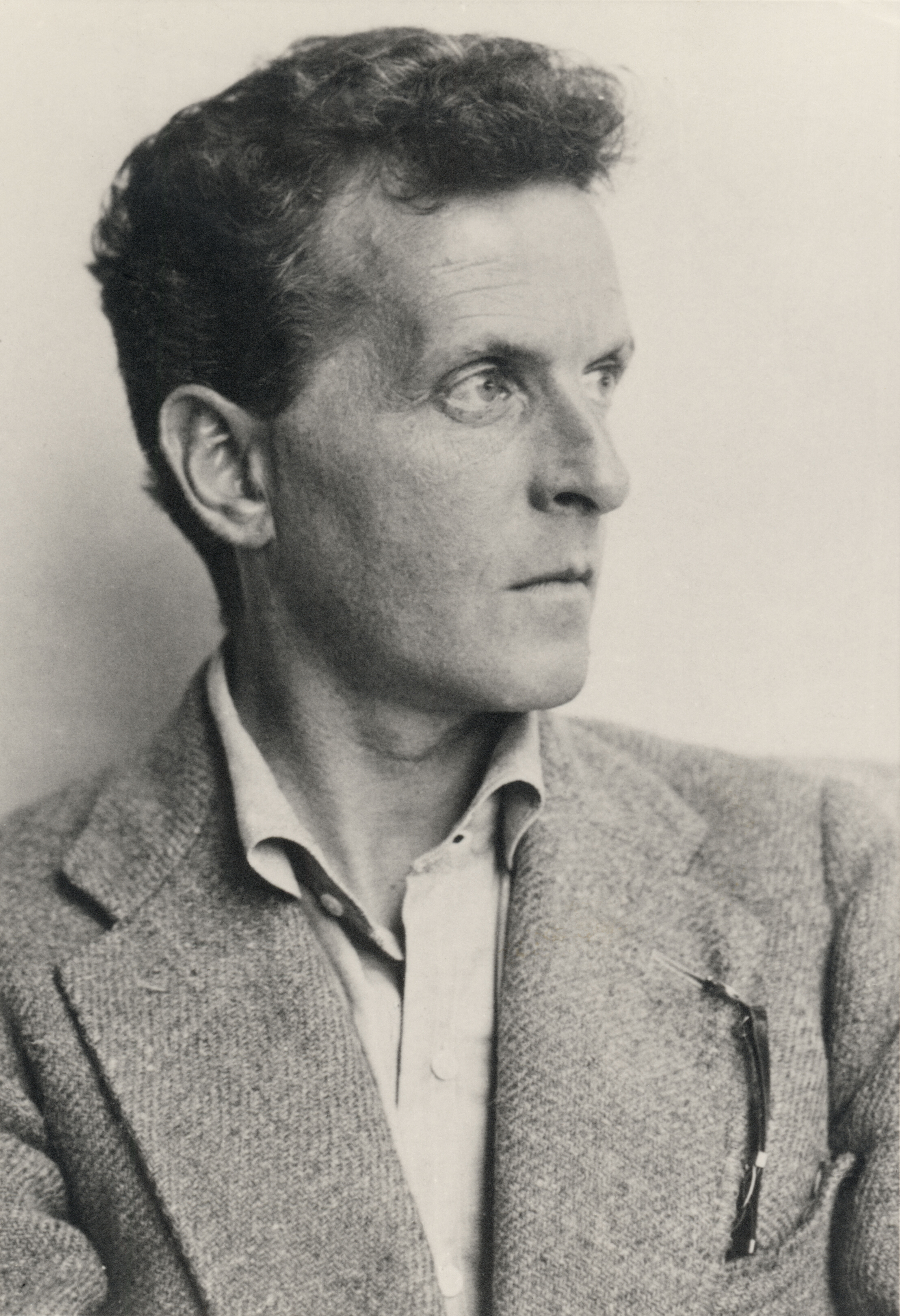
Ludwig Wittgenstein's singular masterpiece, the *Tractatus Logico-Philosophicus*, is a densely packed, aphoristic exploration of the fundamental relationship between language, logic, and reality. Conceived in the trenches of WWI and published in 1921, this slim volume posits that the world is composed of 'atomic facts,' and that language's primary function is to picture these facts. Through a rigorous, numbered sequence of propositions and sub-propositions, Wittgenstein meticulously dissects the limits of what can be meaningfully said, ultimately arguing that much of traditional philosophy—including ethics, aesthetics, and metaphysics—lies beyond the realm of sensible discourse, belonging instead to the unspeakable, the mystical. It's a grand, audacious attempt to definitively solve all philosophical problems by clarifying the logical structure of thought and language itself. More than a century later, the *Tractatus* remains a towering, enigmatic work that continues to provoke and inspire. Its revolutionary approach to language and its stark, almost poetic pronouncements on the unsayable have profoundly influenced analytic philosophy, logical positivism, and even contemporary theories of artificial intelligence. Reading it is less about passively absorbing information and more about engaging in a profound intellectual wrestling match with one of the sharpest minds of the 20th century. It challenges you not just to understand its arguments, but to fundamentally reconsider how you understand meaning, truth, and the very boundaries of human thought. This isn't just a book; it's an intellectual event, a gauntlet thrown down that still echoes through the corridors of philosophy.
Editions


Link to this book
Add a free, dofollow link to Lex on your blog, forum, syllabus, or reading list.

<a href="https://lex-books.com/book/tractatus-logico-philosophicus-1aeded8b-4ecb-4c80-b56d-f8f324baa181"><img src="https://lex-books.com/badges/read-on-lex.svg" alt="Read Tractatus Logico-Philosophicus by Ludwig Wittgenstein free on Lex" width="160" height="40"></a>[](https://lex-books.com/book/tractatus-logico-philosophicus-1aeded8b-4ecb-4c80-b56d-f8f324baa181)[url=https://lex-books.com/book/tractatus-logico-philosophicus-1aeded8b-4ecb-4c80-b56d-f8f324baa181][img]https://lex-books.com/badges/read-on-lex.svg[/img][/url]Read Tractatus Logico-Philosophicus by Ludwig Wittgenstein free on Lex: https://lex-books.com/book/tractatus-logico-philosophicus-1aeded8b-4ecb-4c80-b56d-f8f324baa181Cite this book
Reading this edition for a paper or guide? Copy a citation.
Wittgenstein, Ludwig. Tractatus Logico-Philosophicus. Lex, lex-books.com/book/tractatus-logico-philosophicus-1aeded8b-4ecb-4c80-b56d-f8f324baa181.Wittgenstein, L. (n.d.). Tractatus Logico-Philosophicus. Lex. https://lex-books.com/book/tractatus-logico-philosophicus-1aeded8b-4ecb-4c80-b56d-f8f324baa181Wittgenstein, Ludwig. Tractatus Logico-Philosophicus. Lex. https://lex-books.com/book/tractatus-logico-philosophicus-1aeded8b-4ecb-4c80-b56d-f8f324baa181.