Tractatus Logico-Philosophicus

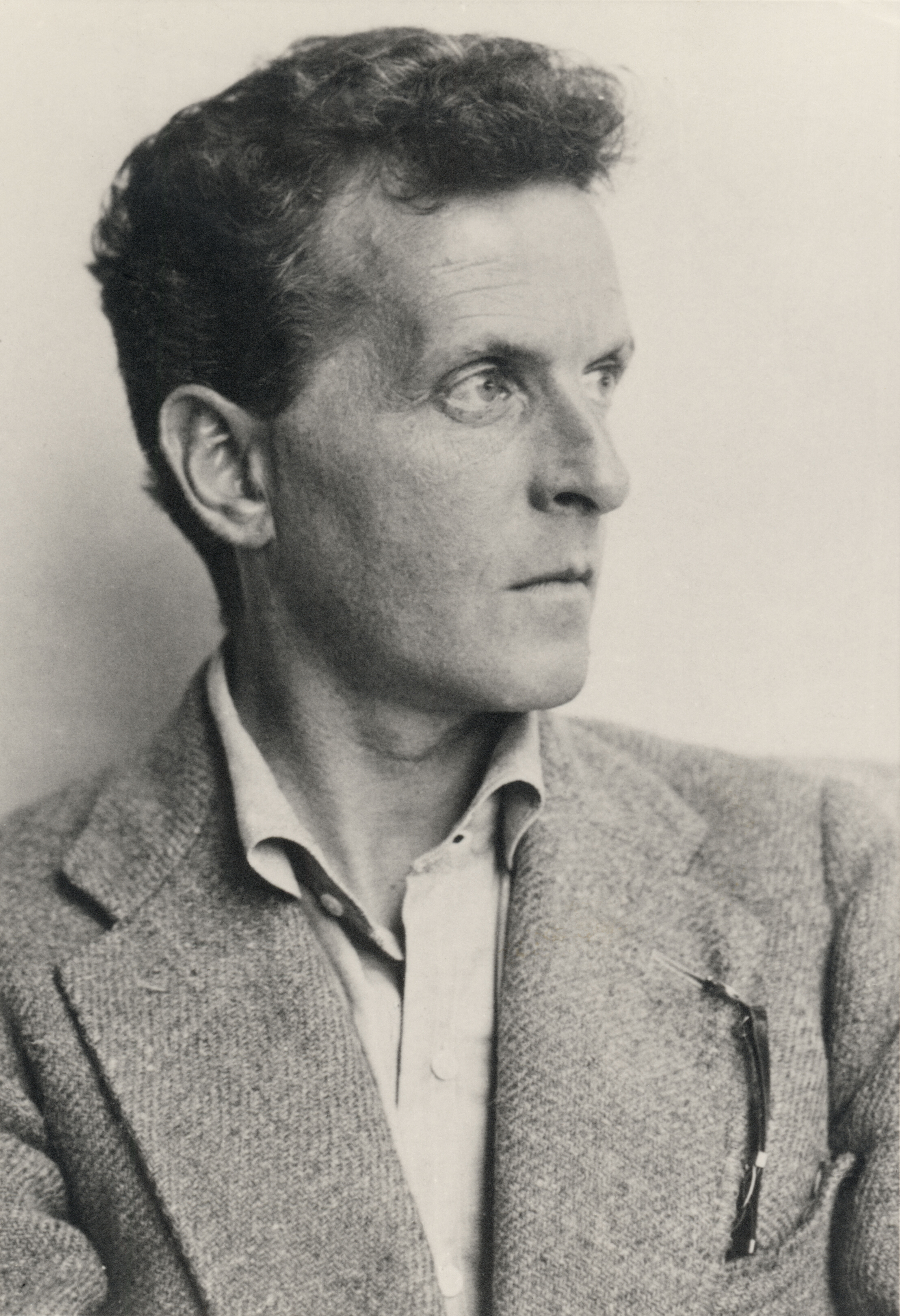
Written in the trenches of World War I by a young Austrian soldier seeking to make sense of existence between bombardments, this slender volume attempts the impossible: to draw a boundary around everything that can be said, and to show what lies beyond it. Wittgenstein's seven propositions, numbered with Byzantine precision, build a ladder from logical atomism to the mysterious point where language runs out and silence begins. The prose is brutally terse, almost mathematical, yet it reads like verse: each proposition stripped to its bones, climbing toward an apex where the philosopher finally admits that the whole edifice was a scaffolding, to be cast away once you see what it was built to show. Its famous final line - 'Whereof one cannot speak, thereof one must be silent' - has echoed through a century of philosophy, linguistics, and literary theory. Not a book to be read so much as lived with: its meaning recedes with each reading, which is perhaps the point. Essential for anyone curious about the limits of thought itself.
Editions


Link to this book
Add a free, dofollow link to Lex on your blog, forum, syllabus, or reading list.

<a href="https://lex-books.com/book/tractatus-logico-philosophicus-7ae26c8e-aada-4104-8f7c-acac02bd5aba"><img src="https://lex-books.com/badges/read-on-lex.svg" alt="Read Tractatus Logico-Philosophicus by Ludwig Wittgenstein free on Lex" width="160" height="40"></a>[](https://lex-books.com/book/tractatus-logico-philosophicus-7ae26c8e-aada-4104-8f7c-acac02bd5aba)[url=https://lex-books.com/book/tractatus-logico-philosophicus-7ae26c8e-aada-4104-8f7c-acac02bd5aba][img]https://lex-books.com/badges/read-on-lex.svg[/img][/url]Read Tractatus Logico-Philosophicus by Ludwig Wittgenstein free on Lex: https://lex-books.com/book/tractatus-logico-philosophicus-7ae26c8e-aada-4104-8f7c-acac02bd5abaCite this book
Reading this edition for a paper or guide? Copy a citation.
Wittgenstein, Ludwig. Tractatus Logico-Philosophicus. Lex, lex-books.com/book/tractatus-logico-philosophicus-7ae26c8e-aada-4104-8f7c-acac02bd5aba.Wittgenstein, L. (n.d.). Tractatus Logico-Philosophicus. Lex. https://lex-books.com/book/tractatus-logico-philosophicus-7ae26c8e-aada-4104-8f7c-acac02bd5abaWittgenstein, Ludwig. Tractatus Logico-Philosophicus. Lex. https://lex-books.com/book/tractatus-logico-philosophicus-7ae26c8e-aada-4104-8f7c-acac02bd5aba.