Torquato Tasso: Ein Schauspiel
1790
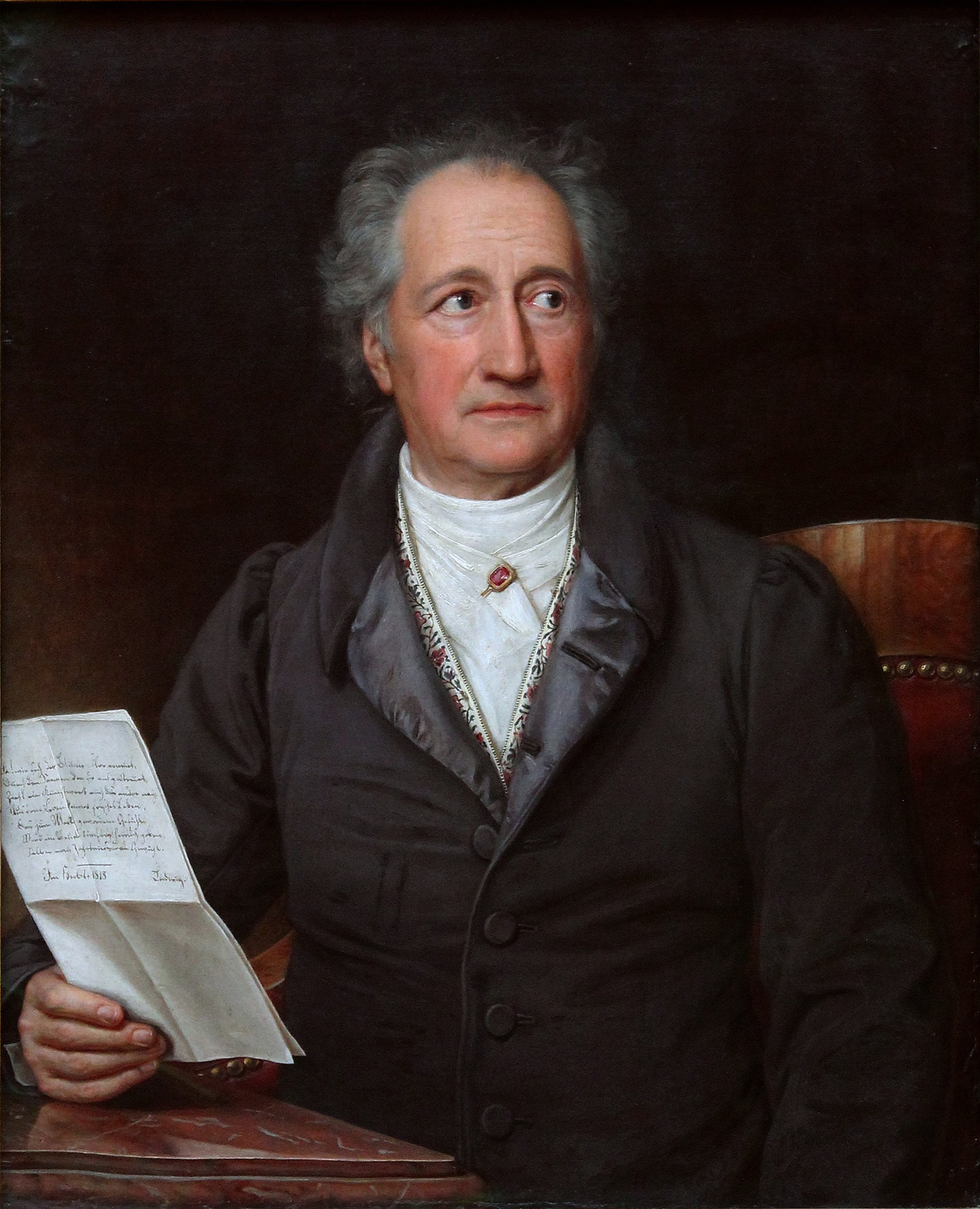
In this revolutionary 1790 drama, Goethe constructs the first true portrait of the modern artist: a genius both magnificent and fragile, whose very gifts become his torment. The setting is the gilded cage of the Este court in Ferrara, where the celebrated poet Torquato Tasso has been welcomed but never truly welcomed. He has written a masterwork, "Jerusalem Delivered," that has made his name across Europe, yet here he remains a guest whose every emotion becomes court speculation, whose every outburst confirms suspicions of instability. The Duke offers patronage, not friendship. The Princess offers sympathy, not understanding. And Tasso, caught between the ideal world of his poetry and the brutal politics of Renaissance court life, slowly unravels. What makes this play enduring is not its historical accuracy (Goethe takes considerable liberties with the actual Tasso's biography) but its psychological prescience. Here is the artist as we now recognize him: too sensitive for a brutal world, demanding recognition yet resenting the need to ask, brilliant yet aware that brilliance offers no protection against loneliness. The verse is crystalline, the relationships triangulated with devastating precision. This is the drama that birthed a thousand variations on the tortured-genius trope. For readers interested in the birth of modern artistic identity, or in the psychology of creation under pressure, it remains essential.
Editions
X-Ray
“Love grants in a moment what toil can hardly achieve in an age.””
— Johann Wolfgang von Goethe
“Tis order woman seeketh; freedom, man.””
— Johann Wolfgang von Goethe
“A talent is formed in stillness, a character in the world's torrent.””
— Johann Wolfgang von Goethe
“Talent develops in quiet places, character in the full current of human life.””
— Johann Wolfgang von Goethe
Link to this book
Add a free, dofollow link to Lex on your blog, forum, syllabus, or reading list.

<a href="https://lex-books.com/book/torquato-tasso-ein-schauspiel-25017623-1fb7-40c9-8f0b-3471c6d64b1b"><img src="https://lex-books.com/badges/read-on-lex.svg" alt="Read Torquato Tasso: Ein Schauspiel by Johann Wolfgang von Goethe free on Lex" width="160" height="40"></a>[](https://lex-books.com/book/torquato-tasso-ein-schauspiel-25017623-1fb7-40c9-8f0b-3471c6d64b1b)[url=https://lex-books.com/book/torquato-tasso-ein-schauspiel-25017623-1fb7-40c9-8f0b-3471c6d64b1b][img]https://lex-books.com/badges/read-on-lex.svg[/img][/url]Read Torquato Tasso: Ein Schauspiel by Johann Wolfgang von Goethe free on Lex: https://lex-books.com/book/torquato-tasso-ein-schauspiel-25017623-1fb7-40c9-8f0b-3471c6d64b1bCite this book
Reading this edition for a paper or guide? Copy a citation.
Goethe, Johann Wolfgang von. Torquato Tasso: Ein Schauspiel. Lex, lex-books.com/book/torquato-tasso-ein-schauspiel-25017623-1fb7-40c9-8f0b-3471c6d64b1b.Goethe, J. W. V. (1790). Torquato Tasso: Ein Schauspiel. Lex. https://lex-books.com/book/torquato-tasso-ein-schauspiel-25017623-1fb7-40c9-8f0b-3471c6d64b1bGoethe, Johann Wolfgang von. Torquato Tasso: Ein Schauspiel. Lex. https://lex-books.com/book/torquato-tasso-ein-schauspiel-25017623-1fb7-40c9-8f0b-3471c6d64b1b.