Italienische Reise — Band 2
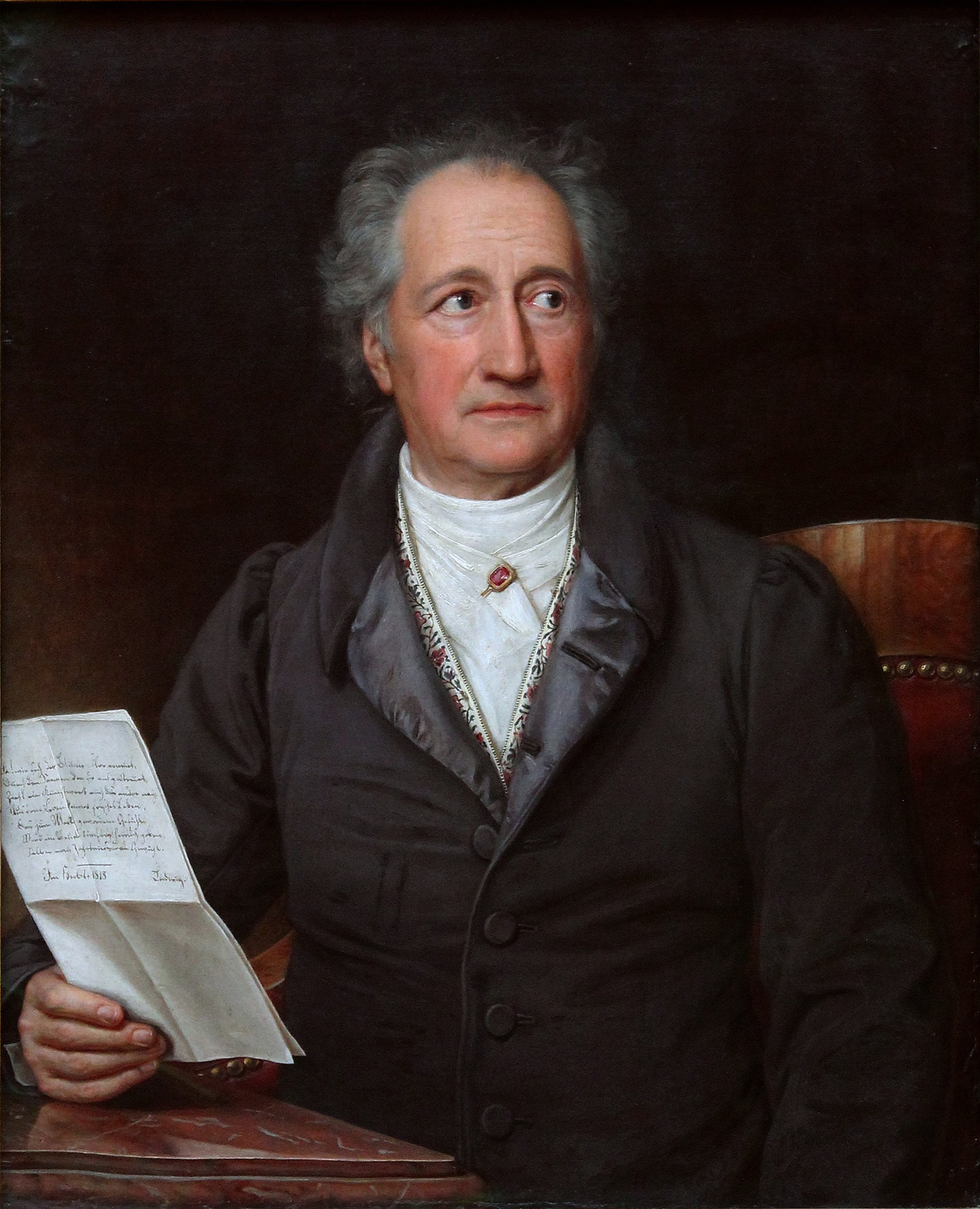
In June 1787, Goethe returns to Rome, and something in him shifts permanently. This second volume of his Italian Journey captures a man in the full grip of aesthetic revelation, writing letters that double as love letters to a city and a civilization he cannot stop adoring. He wanders through papal tapestries and Tivoli's waterfalls, reconnects with the landscape painter Hackert, and allows himself to be undone by beauty. What emerges is not merely a travel diary but a portrait of the artist as a man reborn through encounter with the classical world. Goethe's prose moves between tender observation and philosophical urgency, documenting how Italy reshaped his understanding of art, nature, and his own creative destiny. The correspondence format lends intimacy; we feel him writing by candlelight, eager to transmit what he sees before it escapes him. Two centuries later, these pages still vibrate with the hunger of a great mind encountering the civilization that defined Western art. For anyone who has ever stood before a Greek ruin or felt a foreign light change everything they thought they knew, this book speaks directly to that breathless moment of transformation.
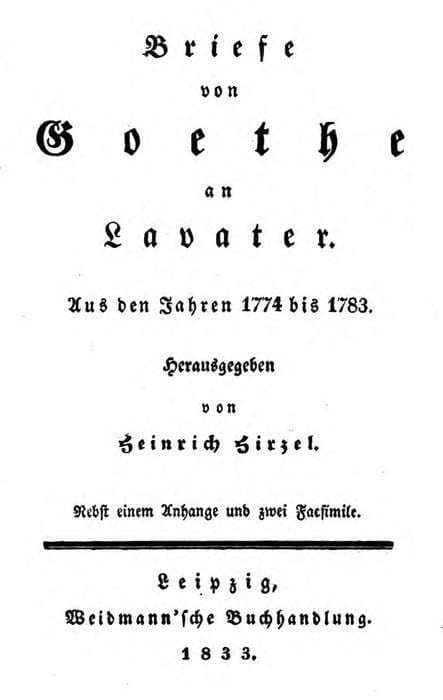
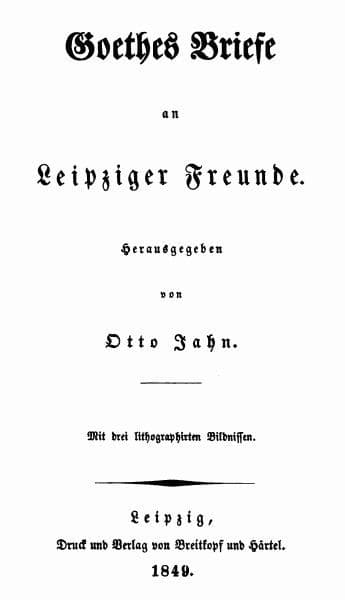
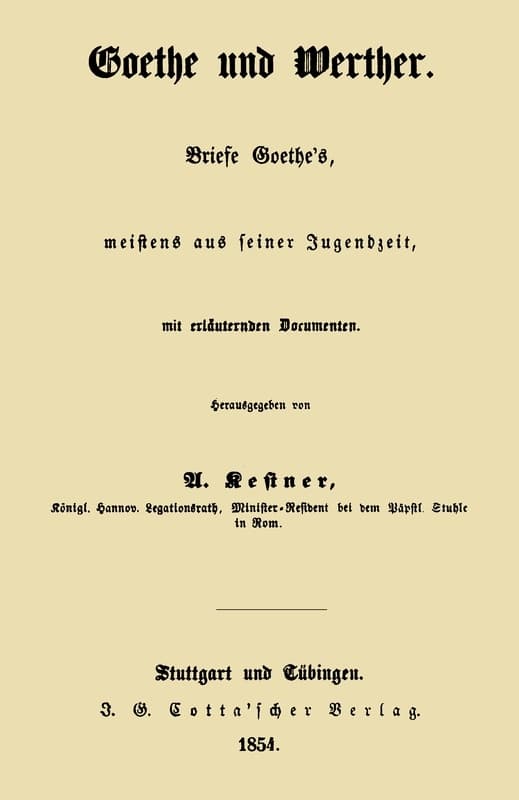
Editions
X-Ray
“Nothing can be compared to the new life that the discovery of another country provides for a thoughtful person. Although I am still the same I believe to have changed to the bones.””
— Johann Wolfgang von Goethe
“I myself must also say I believe it is true that in the end humanitarianism will triumph; only I fear that at the same time the world will be one big hospital and each person will be the other person's humane keeper.””
— Johann Wolfgang von Goethe
“I have spent the day well just looking and looking. It is the same in art as in life. The deeper one penetrates, the broader grows the view.””
— Johann Wolfgang von Goethe
“I have not often seen more natural acting than that of these masks. It is such acting as can only be sustained by a remarkably happy talent and long practice. While I am writing this, they are making a tremendous noise on the canal under my window, though it is past midnight. Whether for good or for evil, they are always doing something.””
— Johann Wolfgang von Goethe
“Comme les pêches et les melons sount pour la bouche d'un baron, ainsi les verges et les bâtons sont pour les fous, dit Salomon.””
— Johann Wolfgang von Goethe
“Dürfen wir fortfahren, ernsthafter zu sprechen, als es der Gegenstand zu erlauben scheint, so bemerken wir: daß die lebhaftesten und höchsten Vergnügen wie die vorbeifliegenden Pferde nur einen Augenblick uns erscheinen, uns rühren und kaum eine Spur in der Seele zurücklassen, daß Freiheit und Gleichheit nur in dem Taumel des Wahnsinns genossen werden können und daß die größte Lust nur dann am höchsten reizt, wenn sie sich ganz nahe an die Gefahr drängt und lüstern ängstlich-süße Empfindungen in ihrer Nähe genießet.””
— Johann Wolfgang von Goethe
“Ich war mit meinem guten Meyer diesen Morgen in der französischen Akademie, wo die Abgüsse der besten Statuen des Altertums beisammenstehn. Wie könnt' ich ausdrücken, was ich hier wie zum Abschied empfand? In solcher Gegenwart wird man mehr, als man ist; man fühlt, das Würdigste, womit man sich beschäftigen sollte, sei die menschliche Gestalt, die man hier in aller mannigfaltigen Herrlichkeit gewahr wird. Doch wer fühlt bei einem solchen Anblick nicht alsobald, wie unzulänglich er sei; selbst vorbereitet steht man wie vernichtet. Hatte ich doch Proportion, Anatomie, Regelmäßigkeit der Bewegung mir einigermaßen zu verdeutlichen gesucht, hier aber fiel mir nur zu sehr auf, daß die Form zuletzt alles einschließe, der Glieder Zweckmäßigkeit, Verhältnis, Charakter und Schönheit.””
— Johann Wolfgang von Goethe
“So viel versichre ich dir: ich bin über die wichtigsten Punkte mehr als gewiß, und obgleich die Erkenntnis sich ins Unendliche erweitern könnte, so hab' ich doch vom Endlich-Unendlichen einen sichern, ja klaren und mitteilbaren Begriff.””
— Johann Wolfgang von Goethe
“Das Leben eines Menschen ist sein Charakter””
— Johann Wolfgang von Goethe
Link to this book
Add a free, dofollow link to Lex on your blog, forum, syllabus, or reading list.

<a href="https://lex-books.com/book/italienische-reise-band-2-4e948937-c83e-41bd-bd8e-605cf7a8938c"><img src="https://lex-books.com/badges/read-on-lex.svg" alt="Read Italienische Reise — Band 2 by Johann Wolfgang von Goethe free on Lex" width="160" height="40"></a>[](https://lex-books.com/book/italienische-reise-band-2-4e948937-c83e-41bd-bd8e-605cf7a8938c)[url=https://lex-books.com/book/italienische-reise-band-2-4e948937-c83e-41bd-bd8e-605cf7a8938c][img]https://lex-books.com/badges/read-on-lex.svg[/img][/url]Read Italienische Reise — Band 2 by Johann Wolfgang von Goethe free on Lex: https://lex-books.com/book/italienische-reise-band-2-4e948937-c83e-41bd-bd8e-605cf7a8938cCite this book
Reading this edition for a paper or guide? Copy a citation.
Goethe, Johann Wolfgang von. Italienische Reise — Band 2. Lex, lex-books.com/book/italienische-reise-band-2-4e948937-c83e-41bd-bd8e-605cf7a8938c.Goethe, J. W. V. (n.d.). Italienische Reise — Band 2. Lex. https://lex-books.com/book/italienische-reise-band-2-4e948937-c83e-41bd-bd8e-605cf7a8938cGoethe, Johann Wolfgang von. Italienische Reise — Band 2. Lex. https://lex-books.com/book/italienische-reise-band-2-4e948937-c83e-41bd-bd8e-605cf7a8938c.