The Young Outlaw; Or, Adrift in the Streets
1875
The Young Outlaw; Or, Adrift in the Streets
1875
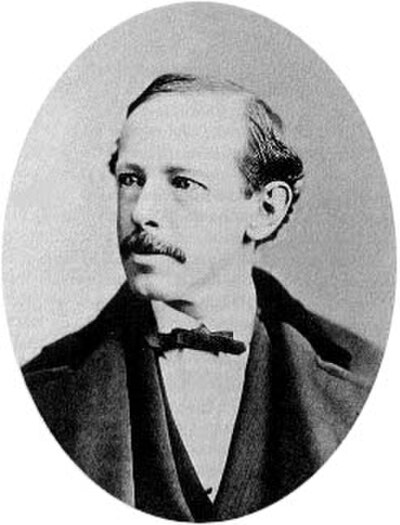
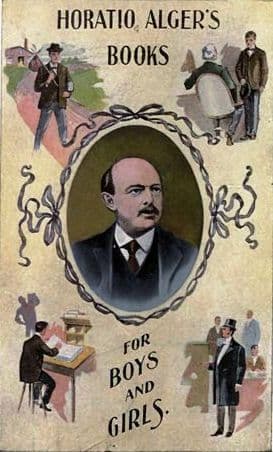
1875. New York City. A boy named Sam Barker, orphaned and alone, schemes a country deacon out of a dime with nothing but cheek and quick fingers. He lives by his wits in a world where every corner holds both peril and possibility, where the line between survival and crime blurs daily. This is the urban frontier, and Sam is about to run toward it. Horatio Alger Jr. wrote what he knew: he lived among the street boys of New York, walked their streets, heard their stories, and used his fiction to imagine them different futures. The result is neither sentimental nor simple. It's a book that understands how close virtue and vice sit in a young person's choices, how much opportunity looks like danger when you're fourteen and hungry. Sam wants freedom, adventure, a life larger than the gutter. What he finds in the city will test everything he has and everything he hopes to become. The book endures because it captures something true about youth itself: the desperate need to become someone, the terror that you might not, and the stubborn belief that somehow, some way, the next corner might hold something better. For readers who want to understand where the American dream narrative began, and for anyone who believes in the radical possibility of a second chance.
Editions
Link to this book
Add a free, dofollow link to Lex on your blog, forum, syllabus, or reading list.

<a href="https://lex-books.com/book/the-young-outlaw-or-adrift-in-the-streets-364ddf8d-76d2-46dd-bc1f-3ed99ff35601"><img src="https://lex-books.com/badges/read-on-lex.svg" alt="Read The Young Outlaw; Or, Adrift in the Streets by Horatio Alger Jr. free on Lex" width="160" height="40"></a>[](https://lex-books.com/book/the-young-outlaw-or-adrift-in-the-streets-364ddf8d-76d2-46dd-bc1f-3ed99ff35601)[url=https://lex-books.com/book/the-young-outlaw-or-adrift-in-the-streets-364ddf8d-76d2-46dd-bc1f-3ed99ff35601][img]https://lex-books.com/badges/read-on-lex.svg[/img][/url]Read The Young Outlaw; Or, Adrift in the Streets by Horatio Alger Jr. free on Lex: https://lex-books.com/book/the-young-outlaw-or-adrift-in-the-streets-364ddf8d-76d2-46dd-bc1f-3ed99ff35601Cite this book
Reading this edition for a paper or guide? Copy a citation.
Jr., Horatio Alger. The Young Outlaw; Or, Adrift in the Streets. Lex, lex-books.com/book/the-young-outlaw-or-adrift-in-the-streets-364ddf8d-76d2-46dd-bc1f-3ed99ff35601.Jr., H. A. (1875). The Young Outlaw; Or, Adrift in the Streets. Lex. https://lex-books.com/book/the-young-outlaw-or-adrift-in-the-streets-364ddf8d-76d2-46dd-bc1f-3ed99ff35601Jr., Horatio Alger. The Young Outlaw; Or, Adrift in the Streets. Lex. https://lex-books.com/book/the-young-outlaw-or-adrift-in-the-streets-364ddf8d-76d2-46dd-bc1f-3ed99ff35601.