The Wreck of the Titanor, Futility
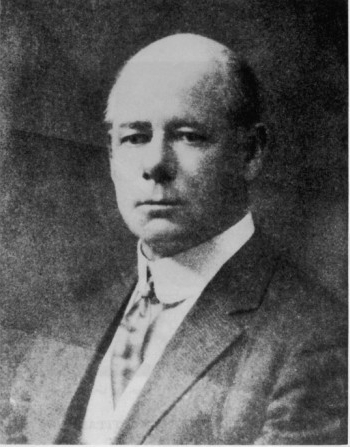
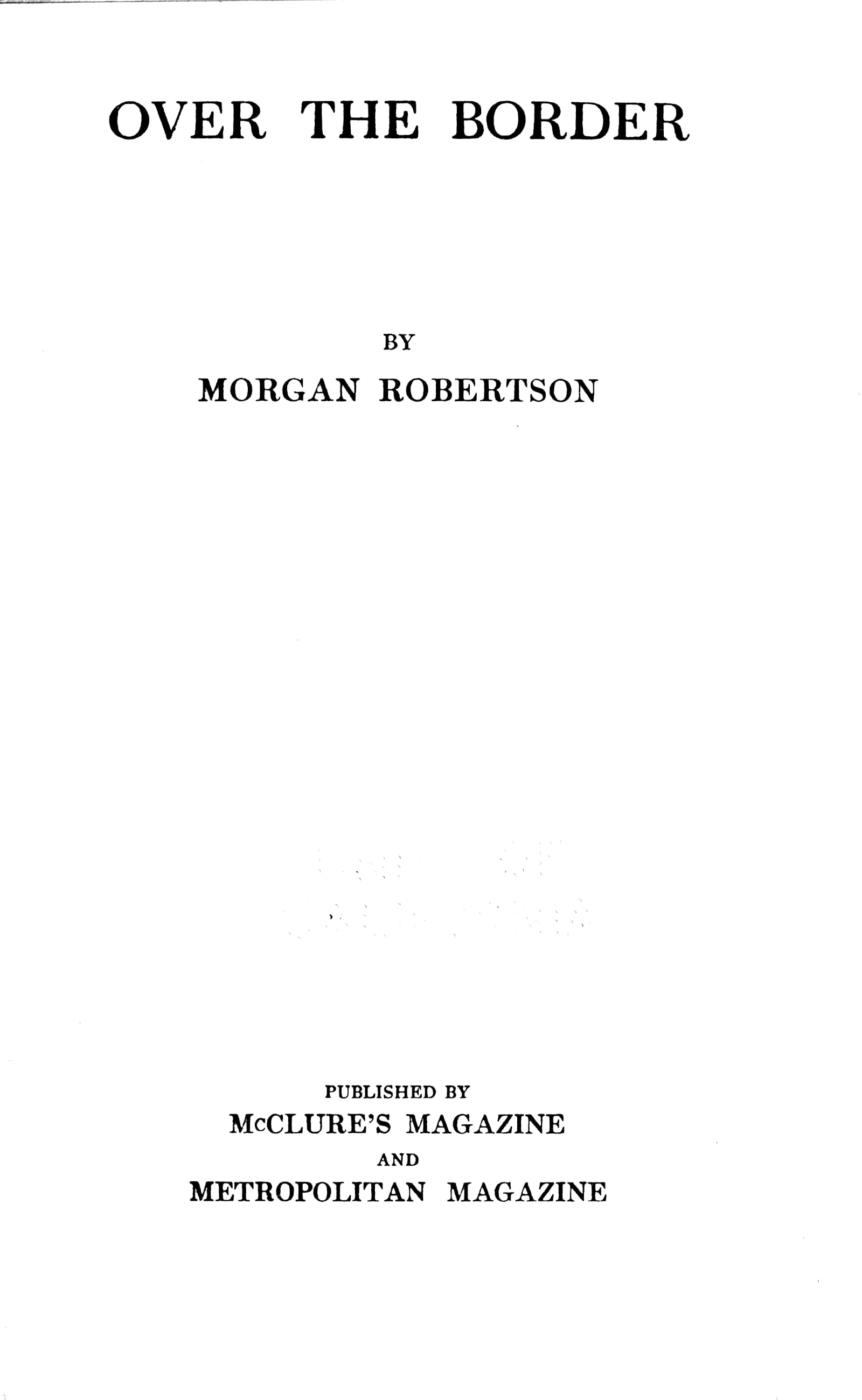
Fourteen years before the real disaster, Morgan Robertson imagined it in devastating detail: an unsinkable leviathan of a liner, dubbed the Titan, gliding through the North Atlantic on an April night, striking an iceberg, and slipping beneath the freezing sea with hundreds of souls aboard. This is the story that haunts every reader who discovers it. The novel follows John Rowland, a disgraced naval officer carrying the weight of a court-martial and a complicated love for a woman named Myra, as he boards the Titan seeking redemption or oblivion. He finds neither. Robertson traces the catastrophe with a precision that feels almost clairvoyant, the insufficient lifeboats, the complacency of a crew assured of invincibility, the slow dawning of horror among passengers who believed the engineering's promises. What elevates this beyond curiosity is Robertson's real subject: not prediction, but the blind faith in progress that makes catastrophe possible. The novel endures because it functions both as eerie artifact and as warning. It asks what we lose when we mistake confidence for safety, and it answers in ice and steel and silence.
Editions
X-Ray
“Все, что произошло с тобой, было вызвано преувеличенной оценкой роли женщины и чрезмерным увлечением виски. Но оно осталось в прошлом””
— Morgan Robertson
“Why is it--that failure to hold the affection f one among millions of women who live, and love, can outweigh every blessing in life, and turn a man's nature into hell, to consume him?””
— Morgan Robertson
“Millions have believed this”
— Morgan Robertson
“And people pray”
— Morgan Robertson
“Up there," he said, moodily, looking into the sky, where a few stars shone faintly in the flood from the moon; "Up there”
— Morgan Robertson
“it. He did not tell her, of course, that Rowland had hailed from the berg as she lay unconscious, and that if he still had the child, it was with him there”
— Morgan Robertson
“Before Rowland could reply a shout from the crow’s-nest split the air. “Ice,” yelled the lookout; “ice ahead. Iceberg. Right under the bows.” The first officer ran amidships, and the captain, who had remained there, sprang to the engine-room telegraph, and this time the lever was turned. But in five seconds the bow of the Titan began to lift, and ahead, and on either hand, could be seen, through the fog, a field ofice, which arose in an incline to a hundred feet high in her track. The music in the theater ceased, and among the babel of shouts and cries, and the deafening noise of steel, scraping and crashing over ice, Rowland heard the agonized voice of a woman crying from the bridge steps: “Myra”
— Morgan Robertson
“With nine compartments flooded the ship would still float, and as no known accident of the sea could possibly fill this many, the steamship Titan was considered practically unsinkable.””
— Morgan Robertson
Link to this book
Add a free, dofollow link to Lex on your blog, forum, syllabus, or reading list.

<a href="https://lex-books.com/book/the-wreck-of-the-titanor-futility-67376bf9-41dd-485c-9bee-ec0748362de7"><img src="https://lex-books.com/badges/read-on-lex.svg" alt="Read The Wreck of the Titanor, Futility by Morgan Robertson free on Lex" width="160" height="40"></a>[](https://lex-books.com/book/the-wreck-of-the-titanor-futility-67376bf9-41dd-485c-9bee-ec0748362de7)[url=https://lex-books.com/book/the-wreck-of-the-titanor-futility-67376bf9-41dd-485c-9bee-ec0748362de7][img]https://lex-books.com/badges/read-on-lex.svg[/img][/url]Read The Wreck of the Titanor, Futility by Morgan Robertson free on Lex: https://lex-books.com/book/the-wreck-of-the-titanor-futility-67376bf9-41dd-485c-9bee-ec0748362de7Cite this book
Reading this edition for a paper or guide? Copy a citation.
Robertson, Morgan. The Wreck of the Titanor, Futility. Lex, lex-books.com/book/the-wreck-of-the-titanor-futility-67376bf9-41dd-485c-9bee-ec0748362de7.Robertson, M. (n.d.). The Wreck of the Titanor, Futility. Lex. https://lex-books.com/book/the-wreck-of-the-titanor-futility-67376bf9-41dd-485c-9bee-ec0748362de7Robertson, Morgan. The Wreck of the Titanor, Futility. Lex. https://lex-books.com/book/the-wreck-of-the-titanor-futility-67376bf9-41dd-485c-9bee-ec0748362de7.