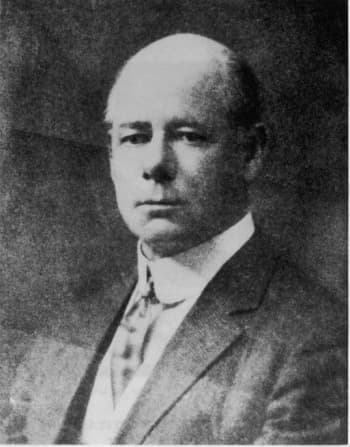
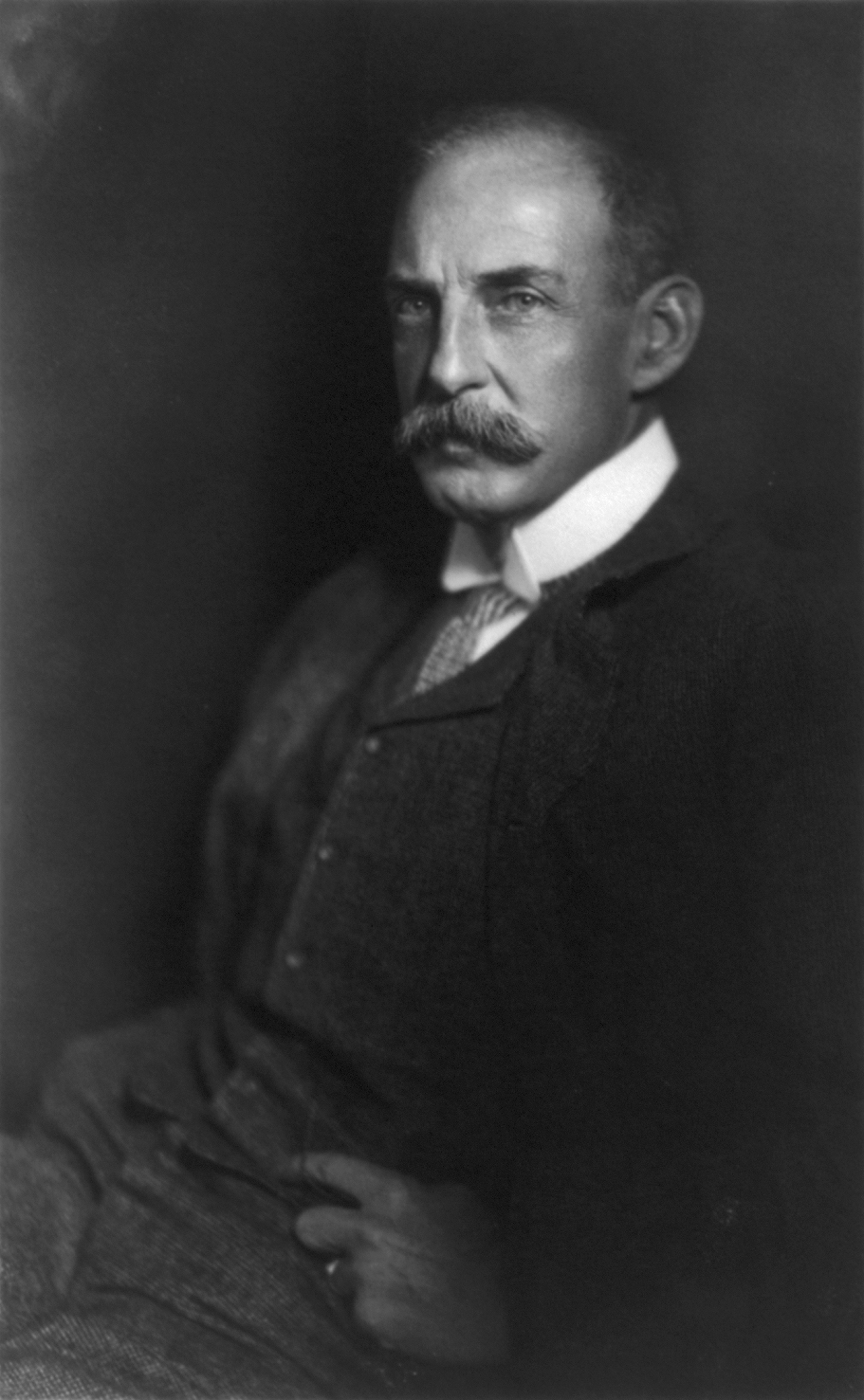
Morgan Robertson
Morgan Robertson was an American author known for his imaginative short stories and novels, as well as his self-proclaimed invention of the periscope. He gained significant attention for his novella 'Futility,' published in 1898, which eerily depicted the sinking of a large ocean liner named the Titan, a scenario that bore striking similarities to the real-life sinking of the RMS Titanic fourteen years later. This prescient work has led to discussions about Robertson's uncanny ability to foresee maritime disasters, positioning him as a notable figure in the realm of speculative fiction. In addition to 'Futility,' Robertson wrote several other works, including 'The Wreck of the Titan' and various short stories that often explored themes of fate, technology, and human folly. His literary contributions, while not widely recognized during his lifetime, have garnered attention in subsequent years for their innovative ideas and prophetic qualities. Robertson's legacy endures as a pioneer of early science fiction, whose narratives challenged the boundaries of imagination and foresight in literature.
Famous Quotes
View all 3 quotes“With nine compartments flooded the ship would still float, and as no known accident of the sea could possibly fill this many, the steamship Titan was considered practically unsinkable.”
“Why is it--that failure to hold the affection f one among millions of women who live, and love, can outweigh every blessing in life, and turn a man's nature into hell, to consume him?”
“Millions have believed this—that prayers are answered—and these millions have prayed to different gods. Were they all wrong or all right? Would a tentative prayer be listened to? Admitting that the Bibles, and Korans, and Vedas, are misleading and unreliable, may there not be an unseen, unknown Being, who knows my heart—who is watching me now? If so, this Being gave me my reason, which[38] doubts Him, and on Him is the responsibility. And would this being, if he exists, overlook a defect for which I am not to blame, and listen to a prayer from me, based on the mere chance that I might be mistaken? Can an unbeliever, in the full strength of his reasoning powers, come to such trouble that he can no longer stand alone, but must cry for help to an imagined power? Can such time come to a sane man—to me?" He looked at the dark line of vacant horizon. It was seven miles away; New York was nine hundred; the moon in the east over two hundred thousand, and the stars above, any number of billions. He was alone, with a sleeping child, a dead bear, and the Unknown. He walked softly to the boat and looked at the little one for a moment; then, raising his head, he whispered: "For you, Myra.”
Books from the author









Link to this page
Add a free, dofollow link to Lex on your blog, forum, syllabus, or reading list.

<a href="https://lex-books.com/author/morgan-robertson"><img src="https://lex-books.com/badges/read-on-lex.svg" alt="Morgan Robertson on Lex" width="160" height="40"></a>[](https://lex-books.com/author/morgan-robertson)[url=https://lex-books.com/author/morgan-robertson][img]https://lex-books.com/badges/read-on-lex.svg[/img][/url]Morgan Robertson on Lex: https://lex-books.com/author/morgan-robertson