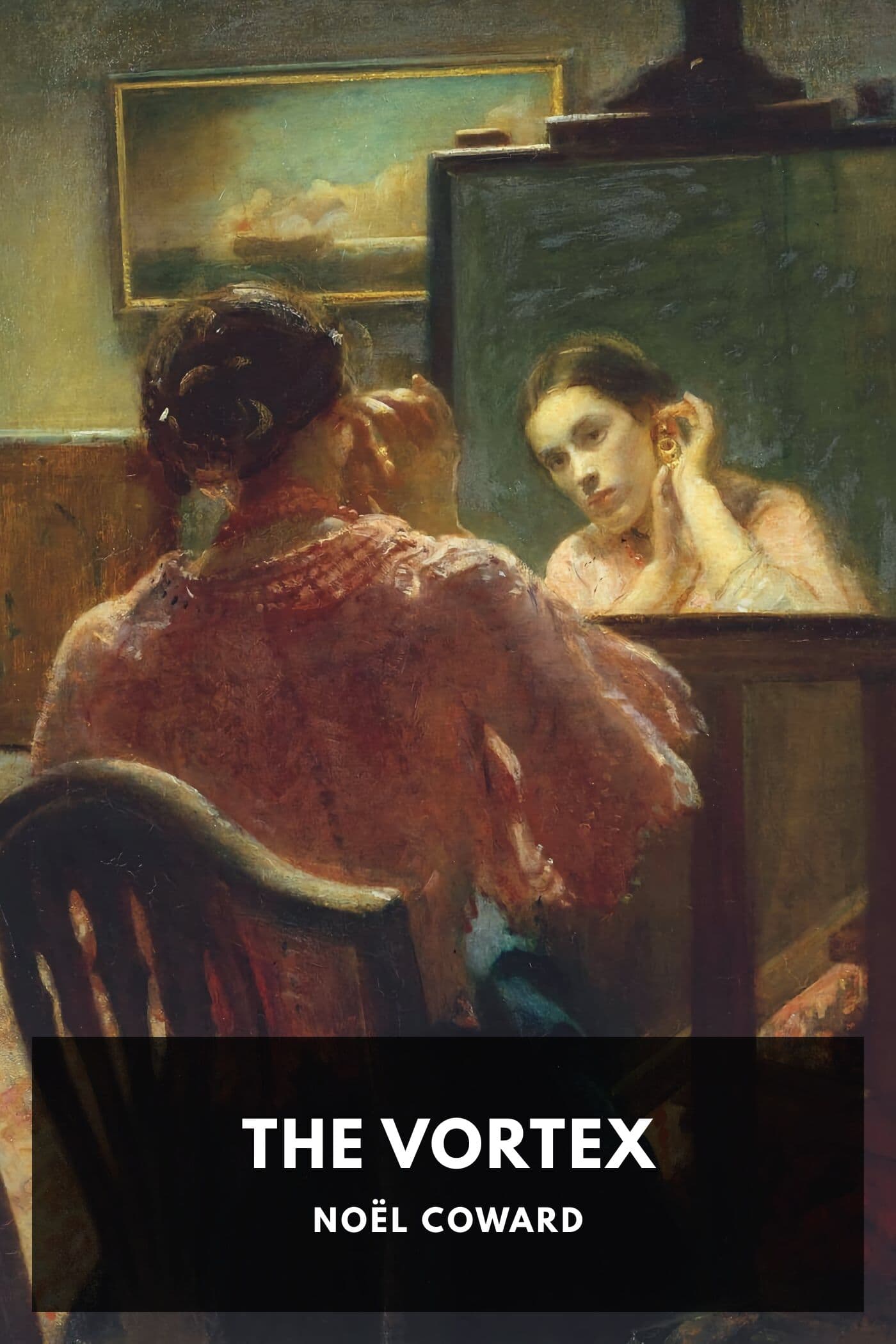
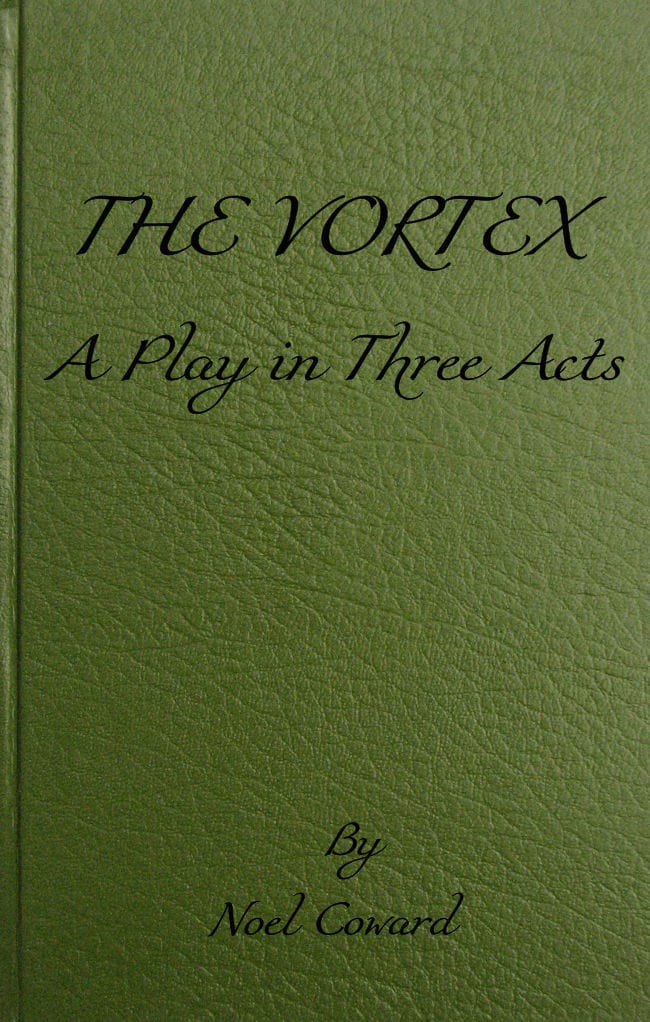
The Vortex: A Play in Three Acts
1924
In 1924, a 25-year-old Noël Coward wrote a play so shocking it made him famous overnight. The Vortex tore through British theater like a scandal, exposing the glamorous but hollow world of the Bright Young Things - those hedonistic young aristocrats who danced through the Jazz Age on a diet of cocktails, cocaine, and casual cruelty. The action unfolds in Florence Lancaster's elegant drawing room, where society gathers to see and be seen. But beneath the witty banter and polished surfaces lies something far more sinister: Florence's toxic entanglement with her son Nicky, a young man already crumbling under the weight of his own dissipation. When Nicky brings home Bunty, a sincere young woman who might actually save him, Florence wage's emotional warfare to keep her son tethered to her. The result is a portrait of love as possession, of mothers and sons locked in mutual destruction. The play that scandalized London remains startlingly modern. Coward had no interest in sentimentalizing his characters or offering redemption; he simply held a mirror up to a society that valued appearance above all else. The vortex of the title is both the social whirl and the emotional black hole at its center - a void that consumes everyone who spirals too close.
Editions
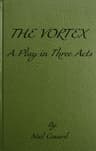
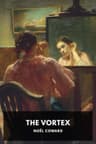
Link to this book
Add a free, dofollow link to Lex on your blog, forum, syllabus, or reading list.

<a href="https://lex-books.com/book/the-vortex-a-play-in-three-acts-4face671-cf57-4dd7-b8dc-24f542fb60ee"><img src="https://lex-books.com/badges/read-on-lex.svg" alt="Read The Vortex: A Play in Three Acts by Noël Coward free on Lex" width="160" height="40"></a>[](https://lex-books.com/book/the-vortex-a-play-in-three-acts-4face671-cf57-4dd7-b8dc-24f542fb60ee)[url=https://lex-books.com/book/the-vortex-a-play-in-three-acts-4face671-cf57-4dd7-b8dc-24f542fb60ee][img]https://lex-books.com/badges/read-on-lex.svg[/img][/url]Read The Vortex: A Play in Three Acts by Noël Coward free on Lex: https://lex-books.com/book/the-vortex-a-play-in-three-acts-4face671-cf57-4dd7-b8dc-24f542fb60eeCite this book
Reading this edition for a paper or guide? Copy a citation.
Coward, Noël. The Vortex: A Play in Three Acts. Lex, lex-books.com/book/the-vortex-a-play-in-three-acts-4face671-cf57-4dd7-b8dc-24f542fb60ee.Coward, N. (1924). The Vortex: A Play in Three Acts. Lex. https://lex-books.com/book/the-vortex-a-play-in-three-acts-4face671-cf57-4dd7-b8dc-24f542fb60eeCoward, Noël. The Vortex: A Play in Three Acts. Lex. https://lex-books.com/book/the-vortex-a-play-in-three-acts-4face671-cf57-4dd7-b8dc-24f542fb60ee.