The Theory of Moral Sentiments

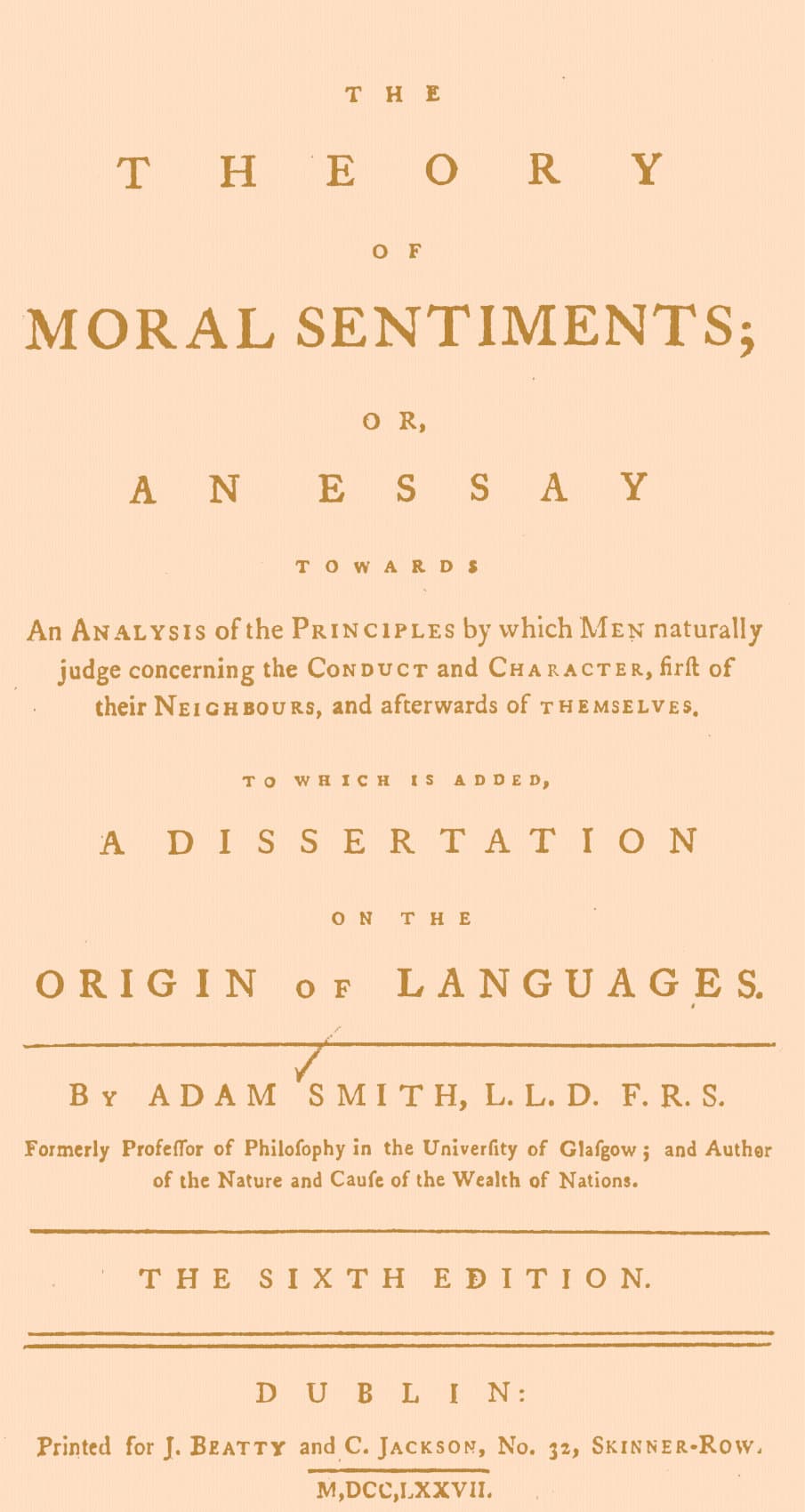
Adam Smith's *The Theory of Moral Sentiments* dives deep into the wellsprings of human ethics, predating and underpinning his more famous economic theories. Smith explores how our capacity for sympathy and our innate desire for approbation shape our moral compass, introducing the pivotal concept of the 'impartial spectator' – an internalized judge who scrutinizes our actions and emotions. Through this lens, Smith dissects everything from self-interest and sacrifice to gratitude and justice, illustrating how we navigate the complex social dance of human interaction and strive for behaviors that others can 'go along with' if they were in our shoes. More than just an academic exercise, this foundational text of moral philosophy offers profound insights into the human condition that resonate today. Smith's elegant prose and meticulous argumentation, drawing from ancient wisdom while engaging with his contemporaries, reveal a master thinker grappling with the very essence of what makes us moral beings. It's a vital read not only for understanding the intellectual bedrock of *The Wealth of Nations* but also for appreciating a work that profoundly influenced the architects of modern democratic thought and continues to illuminate the subtle interplay between individual sentiment and societal norms.
Editions

X-Ray
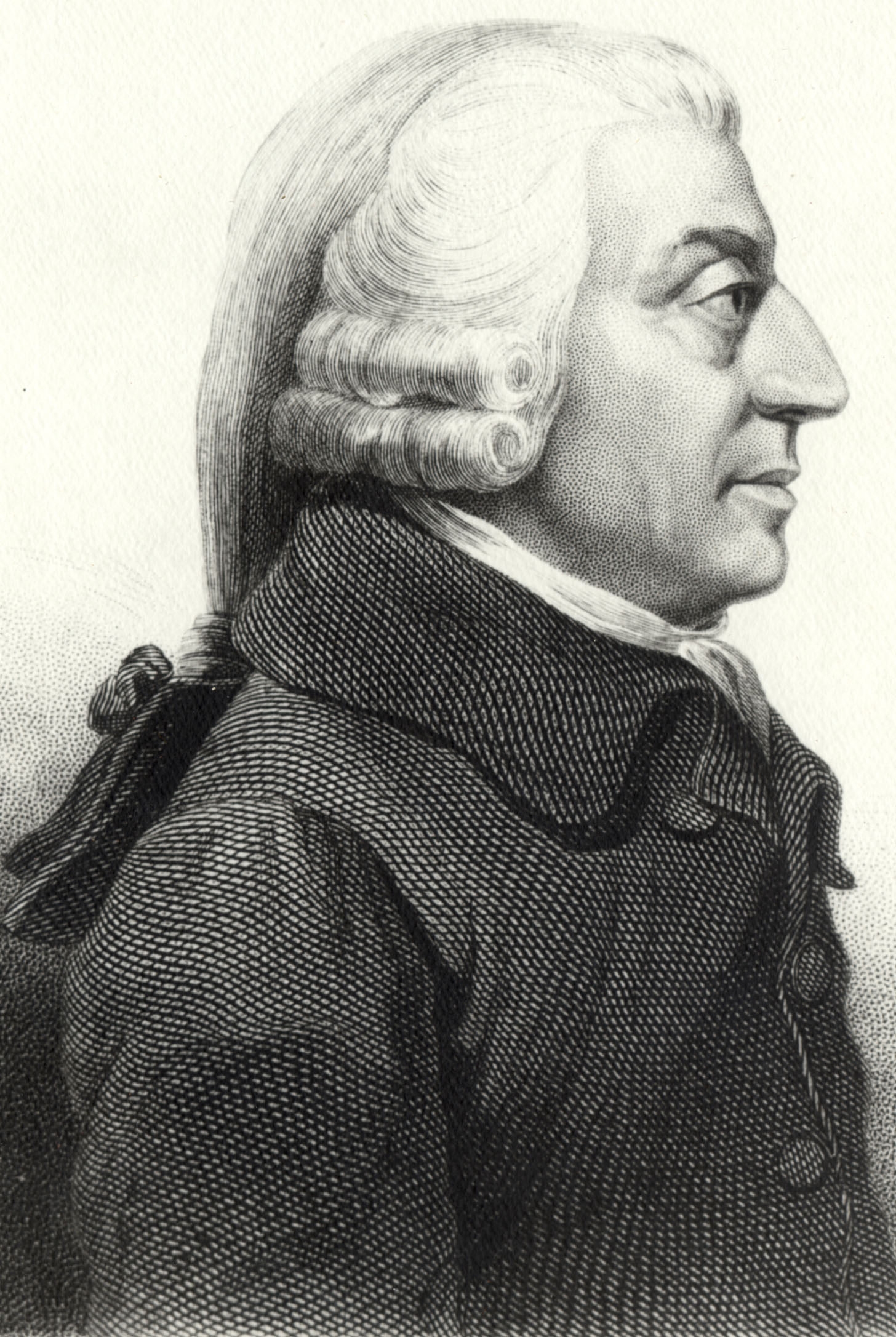
The author and moral philosopher presenting his theory of moral sentiments. He serves as the analytical voice examining human nature and moral behavior through systematic observation.
A central theoretical construct representing the internalized judge within each person's breast. This figure embodies the capacity for moral judgment and self-evaluation.
Another formulation of the internal moral judge, representing conscience and the capacity for self-reflection. This figure serves as the arbiter of our own conduct.
About The Theory of Moral Sentiments
Chapter Summaries
- Part I, Section I, Chapter I
- Smith introduces sympathy as the fundamental mechanism by which we understand others' emotions. We can only comprehend others' feelings by imagining ourselves in their situation, as we have no direct access to their experiences.
- Part I, Section I, Chapter II
- Explores how we derive pleasure when others sympathize with our emotions and pain when they do not. This mutual sympathy is more important for disagreeable than agreeable passions.
- Part I, Section I, Chapter III
- Establishes that we judge others' emotions as proper when we can sympathize with them and improper when we cannot. Our own sentiments serve as the standard for judgment.
Key Themes
- Sympathy as Foundation of Morality
- Smith argues that our ability to imaginatively place ourselves in others' situations forms the basis of all moral judgment and fellow-feeling.
- The Impartial Spectator
- The internalized judge within each person that allows for moral self-evaluation by viewing our actions as others would see them.
- Propriety vs. Merit
- The distinction between actions that are fitting to their circumstances (propriety) and those that deserve reward or punishment (merit and demerit).
Characters
- Adam Smith(protagonist)
- The author and moral philosopher presenting his theory of moral sentiments. He serves as the analytical voice examining human nature and moral behavior through systematic observation.
- The Impartial Spectator(major)
- A central theoretical construct representing the internalized judge within each person's breast. This figure embodies the capacity for moral judgment and self-evaluation.
- The Man Within the Breast(major)
- Another formulation of the internal moral judge, representing conscience and the capacity for self-reflection. This figure serves as the arbiter of our own conduct.
Link to this book
Add a free, dofollow link to Lex on your blog, forum, syllabus, or reading list.

<a href="https://lex-books.com/book/the-theory-of-moral-sentiments-fc48ea6f-ae57-4e50-85c3-6d7eb9936917"><img src="https://lex-books.com/badges/read-on-lex.svg" alt="Read The Theory of Moral Sentiments by Adam Smith free on Lex" width="160" height="40"></a>[](https://lex-books.com/book/the-theory-of-moral-sentiments-fc48ea6f-ae57-4e50-85c3-6d7eb9936917)[url=https://lex-books.com/book/the-theory-of-moral-sentiments-fc48ea6f-ae57-4e50-85c3-6d7eb9936917][img]https://lex-books.com/badges/read-on-lex.svg[/img][/url]Read The Theory of Moral Sentiments by Adam Smith free on Lex: https://lex-books.com/book/the-theory-of-moral-sentiments-fc48ea6f-ae57-4e50-85c3-6d7eb9936917Cite this book
Reading this edition for a paper or guide? Copy a citation.
Smith, Adam. The Theory of Moral Sentiments. Lex, lex-books.com/book/the-theory-of-moral-sentiments-fc48ea6f-ae57-4e50-85c3-6d7eb9936917.Smith, A. (n.d.). The Theory of Moral Sentiments. Lex. https://lex-books.com/book/the-theory-of-moral-sentiments-fc48ea6f-ae57-4e50-85c3-6d7eb9936917Smith, Adam. The Theory of Moral Sentiments. Lex. https://lex-books.com/book/the-theory-of-moral-sentiments-fc48ea6f-ae57-4e50-85c3-6d7eb9936917.