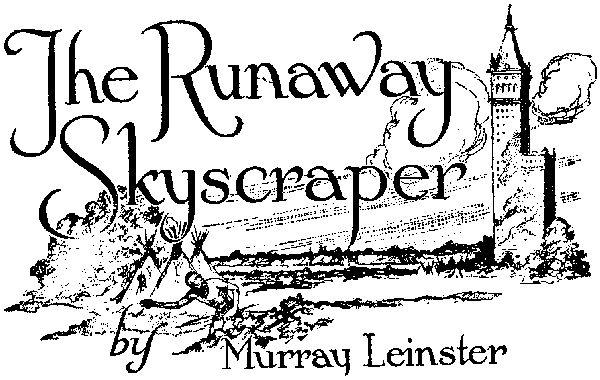
The Runaway Skyscraper
1926
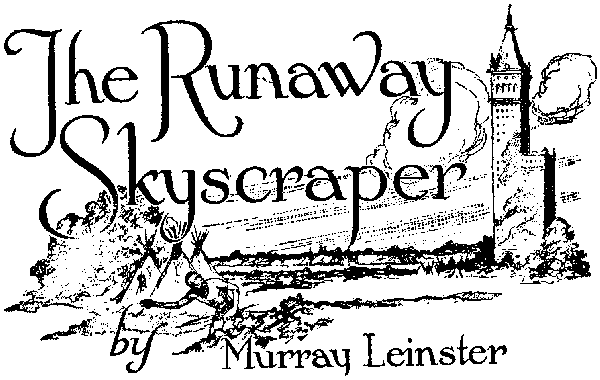
The Runaway Skyscraper
1926
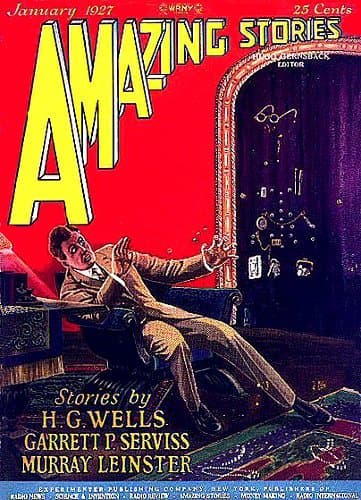
A Manhattan skyscraper tears free from 1920s New York and plunges backward through time, depositing Arthur Chamberlain, his fellow office workers, and a stenographer named Estelle Woodward in a primeval wilderness that exists centuries before Columbus ever sailed. The building, still humming with electricity and running water, becomes their impossible fortress in a world of prehistoric forests and indigenous peoples who have never seen white faces. Arthur, an engineer, transforms from desk jockey to desperate leader as he attempts to forge a livable existence from sheer ingenuity while the building drifts further into the past and supplies dwindle. Estelle proves far more than a damsel in distress, matching his resourcefulness and becoming his anchor as the outside world grows increasingly hostile and strange. Their romance develops not over candlelit dinners but over the practical necessities of survival: securing food, fending off threats, and above all, solving the impossible riddle of how to steer a building back through the fourth dimension to their own time. Leinster's 1919 tale crackles with the audacious energy of a young genre still discovering what it could do. It remains a fascinating artifact, not for its prose style, which has aged, but for its sheer improbable ambition: what happens when the trappings of modernity are ripped away and humans must relearn what they actually need to survive.
Editions

Link to this book
Add a free, dofollow link to Lex on your blog, forum, syllabus, or reading list.

<a href="https://lex-books.com/book/the-runaway-skyscraper-563b482a-57c5-4830-946a-f88be4823a94"><img src="https://lex-books.com/badges/read-on-lex.svg" alt="Read The Runaway Skyscraper by Murray Leinster free on Lex" width="160" height="40"></a>[](https://lex-books.com/book/the-runaway-skyscraper-563b482a-57c5-4830-946a-f88be4823a94)[url=https://lex-books.com/book/the-runaway-skyscraper-563b482a-57c5-4830-946a-f88be4823a94][img]https://lex-books.com/badges/read-on-lex.svg[/img][/url]Read The Runaway Skyscraper by Murray Leinster free on Lex: https://lex-books.com/book/the-runaway-skyscraper-563b482a-57c5-4830-946a-f88be4823a94Cite this book
Reading this edition for a paper or guide? Copy a citation.
Leinster, Murray. The Runaway Skyscraper. Lex, lex-books.com/book/the-runaway-skyscraper-563b482a-57c5-4830-946a-f88be4823a94.Leinster, M. (1926). The Runaway Skyscraper. Lex. https://lex-books.com/book/the-runaway-skyscraper-563b482a-57c5-4830-946a-f88be4823a94Leinster, Murray. The Runaway Skyscraper. Lex. https://lex-books.com/book/the-runaway-skyscraper-563b482a-57c5-4830-946a-f88be4823a94.