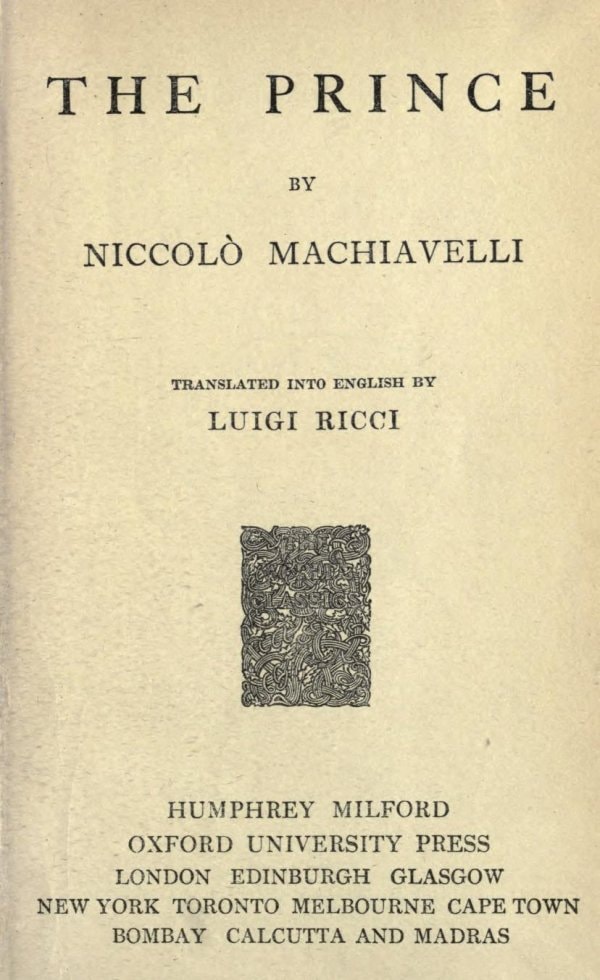
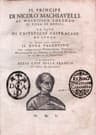
The Prince
1532
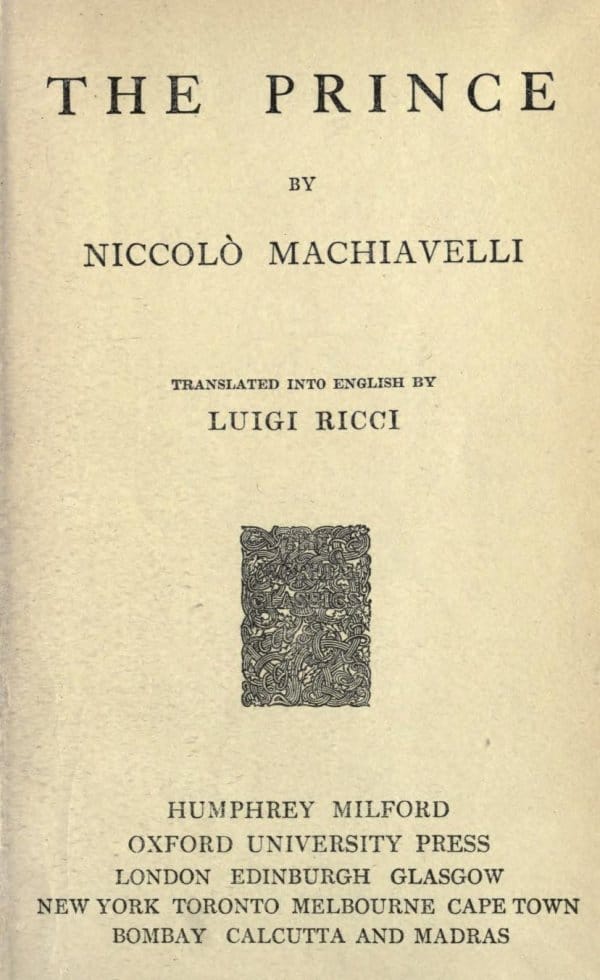
The Prince
1532
Translated by Luigi Ricci
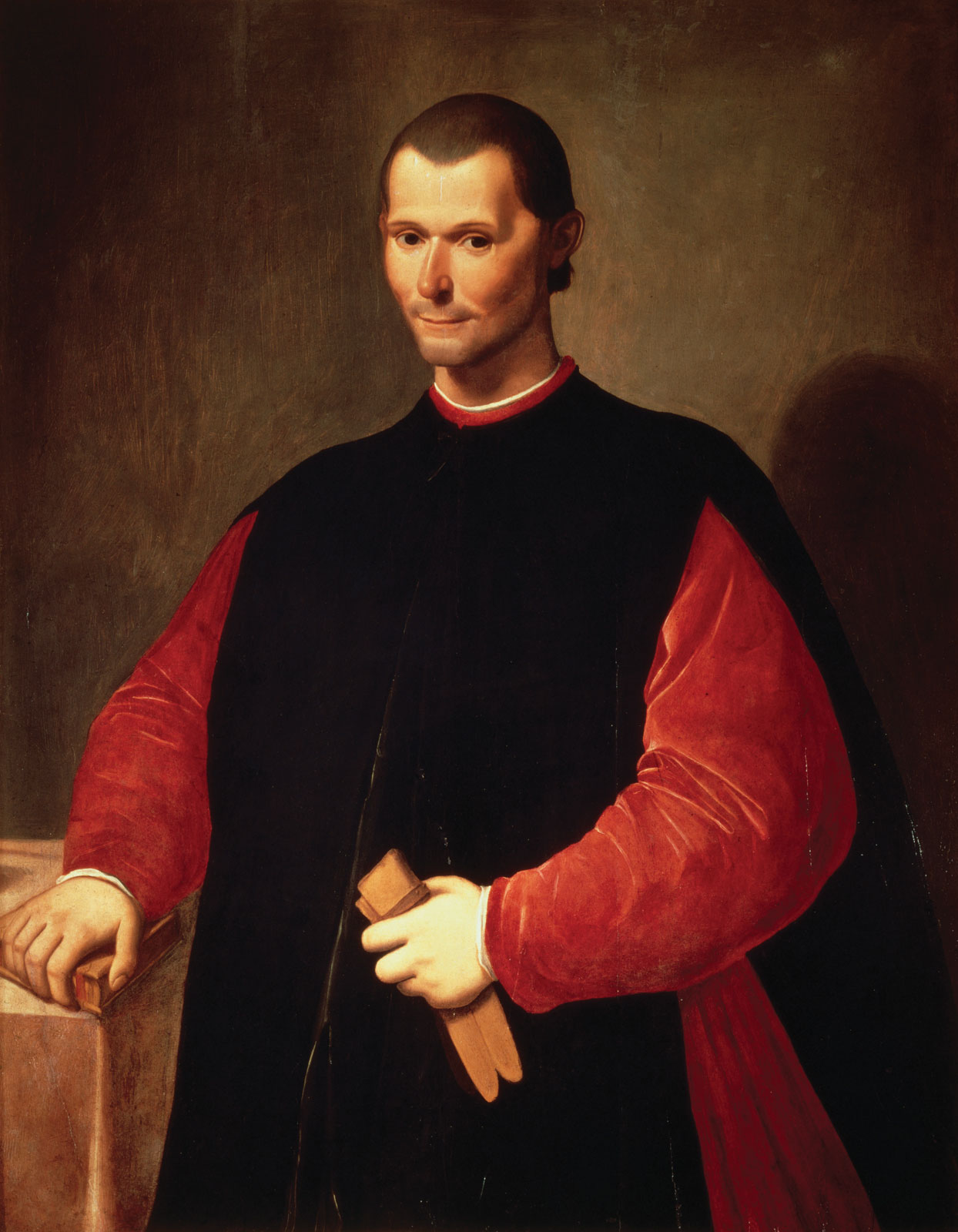
Machiavelli wrote The Prince in 1513, during his forced exile at his family farm in Sant'Andrea in Percussina after the Medici returned to power in Florence. Earlier that year he had been arrested and tortured on suspicion of conspiracy, but was released within weeks. He wrote the treatise as a gift to Lorenzo de' Medici—part job application, part cry from the wilderness. What he produced was neither flattery nor advice manual but something far more dangerous: an X-ray of power itself. For five centuries, readers have trembled at its clarity. This is the book that dared to ask what rulers actually do, not what they should pretend to do. Drawing on classical history, contemporary observation, and cold-eyed analysis of figures like Cesare Borgia, Machiavelli dismantles every comfortable illusion about governance. A prince must be fox and lion. He must know when to break faith. He must understand that results matter more than intentions. It endures because reality has not changed. Only our willingness to name it has.
Editions


X-Ray
“Everyone sees what you appear to be, few experience what you really are.””
— Niccolò Machiavelli
“If an injury has to be done to a man it should be so severe that his vengeance need not be feared.””
— Niccolò Machiavelli
“The first method for estimating the intelligence of a ruler is to look at the men he has around him.””
— Niccolò Machiavelli
“The lion cannot protect himself from traps, and the fox cannot defend himself from wolves. One must therefore be a fox to recognize traps, and a lion to frighten wolves.””
— Niccolò Machiavelli
“There is no other way to guard yourself against flattery than by making men understand that telling you the truth will not offend you.””
— Niccolò Machiavelli
“Never attempt to win by force what can be won by deception.””
— Niccolò Machiavelli
“it is much safer to be feared than loved because ...love is preserved by the link of obligation which, owing to the baseness of men, is broken at every opportunity for their advantage; but fear preserves you by a dread of punishment which never fails.””
— Niccolò Machiavelli
“Because there are three classes of intellects: one which comprehends by itself; another which appreciates what others comprehend; and a third which neither comprehends by itself nor by the showing of others; the first is the most excellent, the second is good, the third is useless.””
— Niccolò Machiavelli
“How we live is so different from how we ought to live that he who studies what ought to be done rather than what is done will learn the way to his downfall rather than to his preservation.””
— Niccolò Machiavelli
Link to this book
Add a free, dofollow link to Lex on your blog, forum, syllabus, or reading list.

<a href="https://lex-books.com/book/the-prince-48bb5ed1-37ca-47e0-a72f-f291a143c9be"><img src="https://lex-books.com/badges/read-on-lex.svg" alt="Read The Prince by Niccolò Machiavelli free on Lex" width="160" height="40"></a>[](https://lex-books.com/book/the-prince-48bb5ed1-37ca-47e0-a72f-f291a143c9be)[url=https://lex-books.com/book/the-prince-48bb5ed1-37ca-47e0-a72f-f291a143c9be][img]https://lex-books.com/badges/read-on-lex.svg[/img][/url]Read The Prince by Niccolò Machiavelli free on Lex: https://lex-books.com/book/the-prince-48bb5ed1-37ca-47e0-a72f-f291a143c9beCite this book
Reading this edition for a paper or guide? Copy a citation.
Machiavelli, Niccolò. The Prince. Lex, lex-books.com/book/the-prince-48bb5ed1-37ca-47e0-a72f-f291a143c9be.Machiavelli, N. (1532). The Prince. Lex. https://lex-books.com/book/the-prince-48bb5ed1-37ca-47e0-a72f-f291a143c9beMachiavelli, Niccolò. The Prince. Lex. https://lex-books.com/book/the-prince-48bb5ed1-37ca-47e0-a72f-f291a143c9be.