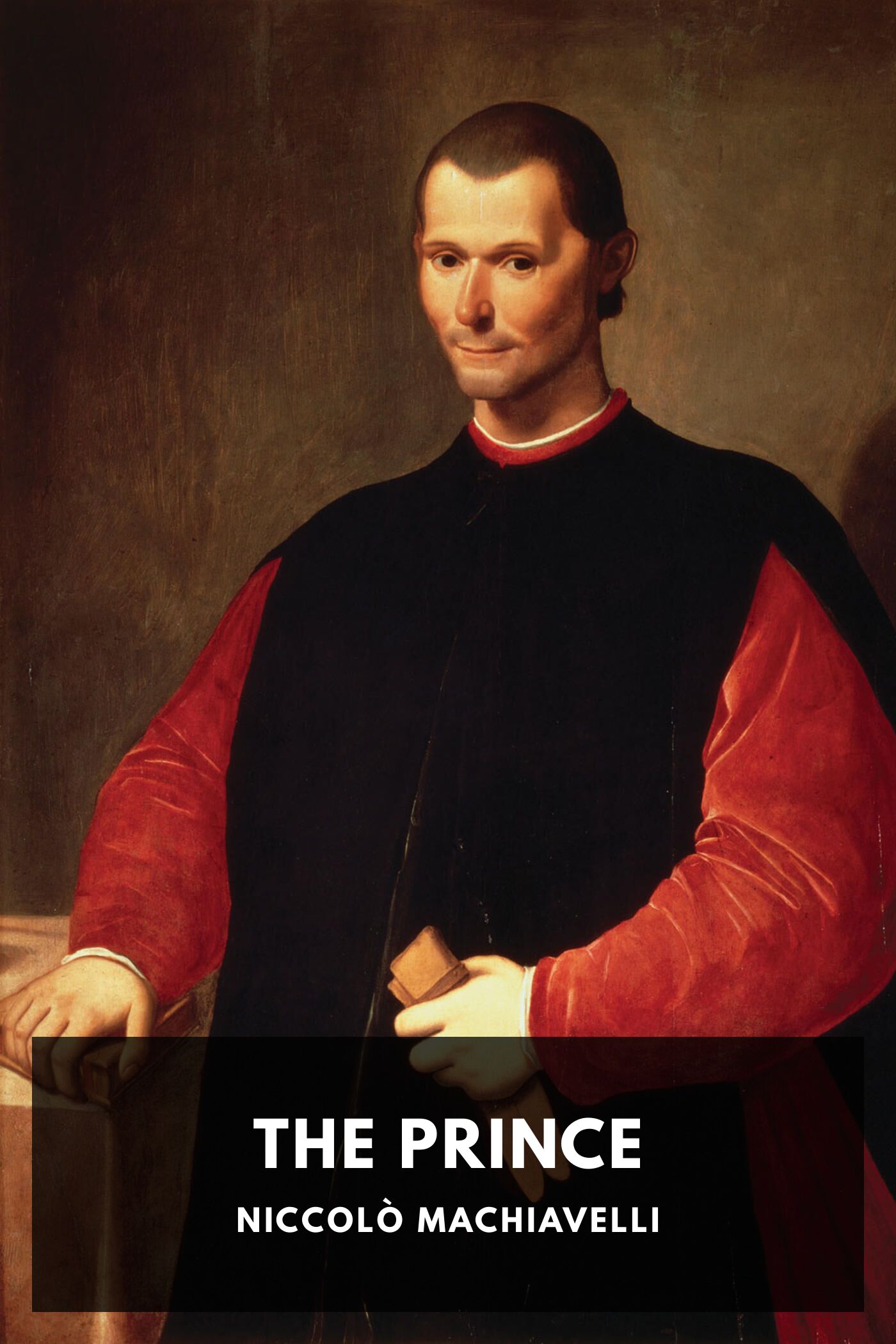
The Prince
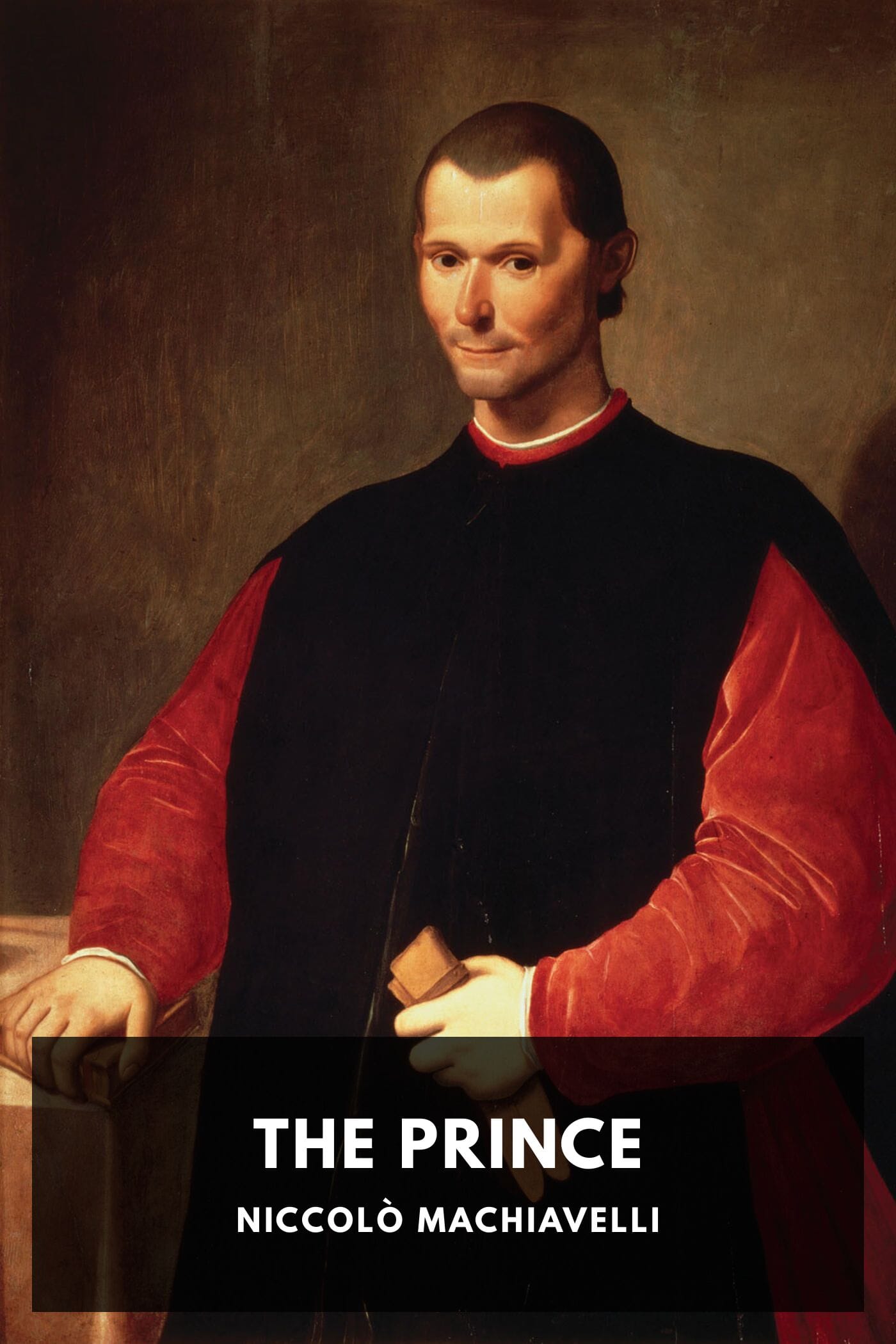
Forget lofty ideals; Machiavelli’s *The Prince* is a cold, hard look at how power is truly seized and maintained. Written in plain Italian, not Latin, this scandalous treatise lays bare the ruthless mechanics of princely rule, drawing on Machiavelli's firsthand observations of Renaissance Italy's cutthroat politics and historical precedents. From securing new conquests to managing internal rebellions and the loyalty (or fear) of one's subjects, he offers unvarnished, pragmatic advice on everything from military strategy to the strategic deployment of cruelty, all in service of consolidating and preserving the state. More than just a historical curiosity, *The Prince* ignited a firestorm of moral debate that continues to this day, giving us the very word "Machiavellian." It's a foundational text in political philosophy, often hailed as one of the first truly modern works for its unflinching, amoral analysis of power divorced from religious or ethical constraints. Reading it today isn't about endorsing tyranny, but understanding the enduring, often uncomfortable truths about human nature and the dark arts of governance that have shaped leaders and nations for centuries.
Editions


Link to this book
Add a free, dofollow link to Lex on your blog, forum, syllabus, or reading list.

<a href="https://lex-books.com/book/the-prince-092f73f6-6c0e-42b7-8260-5f1120aace28"><img src="https://lex-books.com/badges/read-on-lex.svg" alt="Read The Prince by Niccolò Machiavelli free on Lex" width="160" height="40"></a>[](https://lex-books.com/book/the-prince-092f73f6-6c0e-42b7-8260-5f1120aace28)[url=https://lex-books.com/book/the-prince-092f73f6-6c0e-42b7-8260-5f1120aace28][img]https://lex-books.com/badges/read-on-lex.svg[/img][/url]Read The Prince by Niccolò Machiavelli free on Lex: https://lex-books.com/book/the-prince-092f73f6-6c0e-42b7-8260-5f1120aace28Cite this book
Reading this edition for a paper or guide? Copy a citation.
Machiavelli, Niccolò. The Prince. Lex, lex-books.com/book/the-prince-092f73f6-6c0e-42b7-8260-5f1120aace28.Machiavelli, N. (n.d.). The Prince. Lex. https://lex-books.com/book/the-prince-092f73f6-6c0e-42b7-8260-5f1120aace28Machiavelli, Niccolò. The Prince. Lex. https://lex-books.com/book/the-prince-092f73f6-6c0e-42b7-8260-5f1120aace28.