History of Florence and of the Affairs of Italy: From the Earliest Times to the Death of Lorenzo the Magnificent
1532
History of Florence and of the Affairs of Italy: From the Earliest Times to the Death of Lorenzo the Magnificent
1532
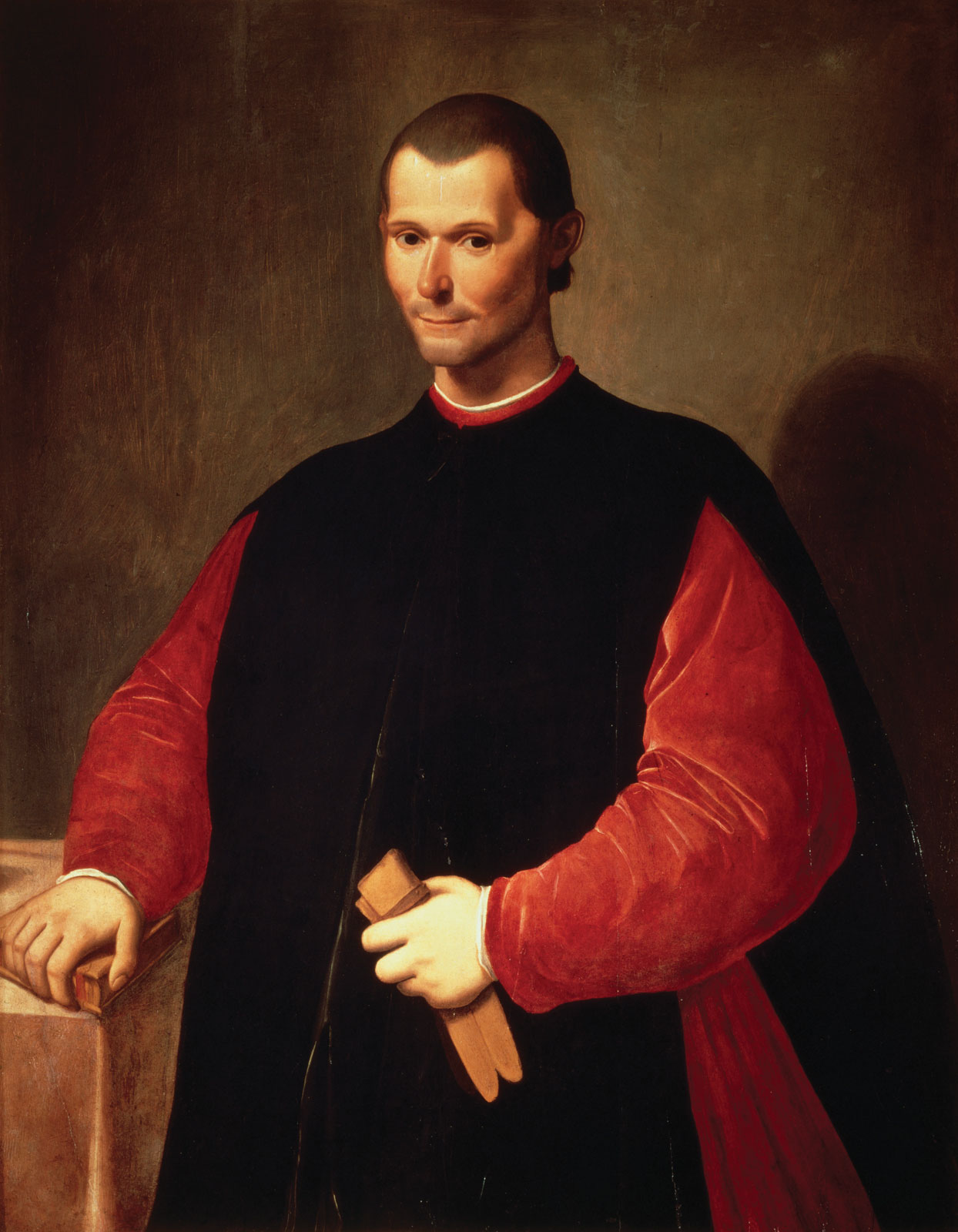
Machiavelli wrote this history in exile, after the Medici expelled him from the Florence he had served for years. It is the work of a political thinker who believed history teaches through example, not abstraction, and who had just watched his republic collapse. Beginning with the barbarian invasions that shattered the Roman Empire, he traces how Italy fragmented into warring city-states, each experimenting with different forms of governance: republics, princedoms, the fluctuating power of the papacy. The narrative builds toward the Florentine golden age under the Medici, and ends with Lorenzo's death in 1492, a moment Machiavelli saw as the beginning of the end. Throughout, he shows how foreign powers exploited Italian disunity, and how internal faction doomed cities that might otherwise have thrived. The result is less cynical than The Prince, more elegiac, a meditation on liberty lost, virtue corrupted, and the price of political weakness. This is essential reading for anyone who wants to understand the intellectual world that produced the most famous political treatise ever written.
Editions
X-Ray
“Virtue gives birth to tranquillity, tranquillity to leisure, leisure to disorder, disorder to ruin... and similarly from ruin, order is born, from order virtue, from virtue, glory and good fortune.””
— Niccolò Machiavelli
“Thus the popes, sometimes in zeal for religion, at others moved by their own ambition, were continually calling in new parties and exciting new disturbances.””
— Niccolò Machiavelli
“After the deaths of some pontiffs, Osporco, a Roman, succeeded to the papacy; but on account of his unseemly appellation, he took the name of Sergius, and this was the origin of that change of names which the popes adopt upon their election to the pontificate.””
— Niccolò Machiavelli
“e così la nostra città ancora””
— Niccolò Machiavelli
“La cagione della prima divisione è notissima””
— Niccolò Machiavelli
“E così l'acque fecero più favore a' Maumettisti, che le scomuniche a' Cristiani, perché queste frenorono l'orgoglio suo, e quelle lo spensono.””
— Niccolò Machiavelli
“dove vennono a lui oratori mandati da Errico re di Inghilterra a significargli che della morte del beato Tommaso, vescovo di Conturbia, il loro re non aveva alcuna colpa, sì come publicamente ne era stato infamato.””
— Niccolò Machiavelli
“Pervenne dopo alcuno pontefice, al papato Osporco romano, il quale, per la bruttura del nome, si fece chiamare Sergio; il che dette principio alla mutazione de' nomi, che fanno nelle loro elezioni i pontefici.””
— Niccolò Machiavelli
“il che fu al tempo di papa Leone III, fu contento abitassero in quegli luoghi dove si erano nutriti, e si chiamasse quella provincia, dal nome loro, Lombardia.””
— Niccolò Machiavelli
Link to this book
Add a free, dofollow link to Lex on your blog, forum, syllabus, or reading list.

<a href="https://lex-books.com/book/history-of-florence-and-of-the-affairs-of-italy-from-the-earliest-times-to-the-d-77bc3946-bf22-49f3-bda0-cf03bc1b5b09"><img src="https://lex-books.com/badges/read-on-lex.svg" alt="Read History of Florence and of the Affairs of Italy: From the Earliest Times to the Death of Lorenzo the Magnificent by Niccolò Machiavelli free on Lex" width="160" height="40"></a>[](https://lex-books.com/book/history-of-florence-and-of-the-affairs-of-italy-from-the-earliest-times-to-the-d-77bc3946-bf22-49f3-bda0-cf03bc1b5b09)[url=https://lex-books.com/book/history-of-florence-and-of-the-affairs-of-italy-from-the-earliest-times-to-the-d-77bc3946-bf22-49f3-bda0-cf03bc1b5b09][img]https://lex-books.com/badges/read-on-lex.svg[/img][/url]Read History of Florence and of the Affairs of Italy: From the Earliest Times to the Death of Lorenzo the Magnificent by Niccolò Machiavelli free on Lex: https://lex-books.com/book/history-of-florence-and-of-the-affairs-of-italy-from-the-earliest-times-to-the-d-77bc3946-bf22-49f3-bda0-cf03bc1b5b09Cite this book
Reading this edition for a paper or guide? Copy a citation.
Machiavelli, Niccolò. History of Florence and of the Affairs of Italy: From the Earliest Times to the Death of Lorenzo the Magnificent. Lex, lex-books.com/book/history-of-florence-and-of-the-affairs-of-italy-from-the-earliest-times-to-the-d-77bc3946-bf22-49f3-bda0-cf03bc1b5b09.Machiavelli, N. (1532). History of Florence and of the Affairs of Italy: From the Earliest Times to the Death of Lorenzo the Magnificent. Lex. https://lex-books.com/book/history-of-florence-and-of-the-affairs-of-italy-from-the-earliest-times-to-the-d-77bc3946-bf22-49f3-bda0-cf03bc1b5b09Machiavelli, Niccolò. History of Florence and of the Affairs of Italy: From the Earliest Times to the Death of Lorenzo the Magnificent. Lex. https://lex-books.com/book/history-of-florence-and-of-the-affairs-of-italy-from-the-earliest-times-to-the-d-77bc3946-bf22-49f3-bda0-cf03bc1b5b09.