The Phantom Ship
1839
The Phantom Ship
1839
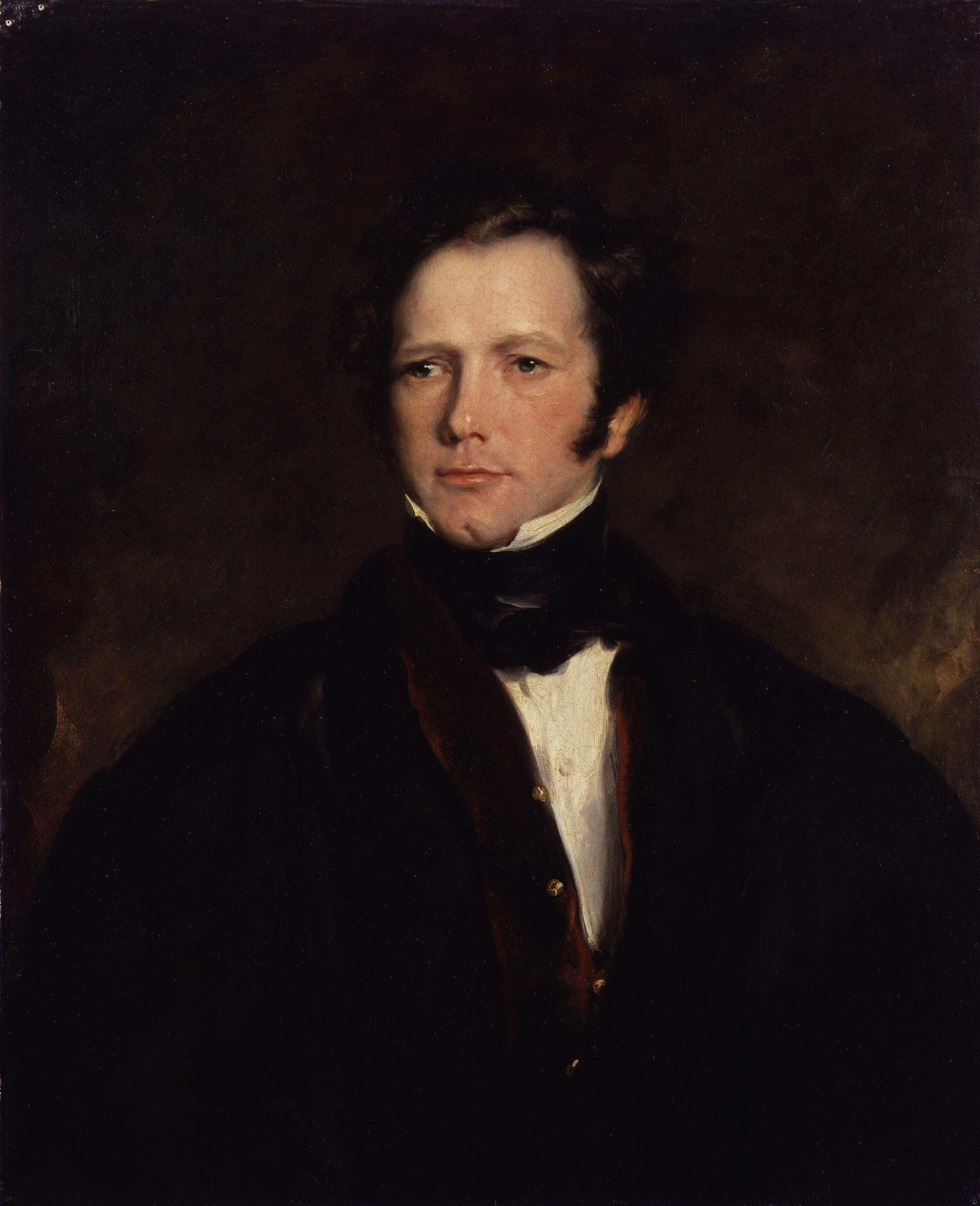
The Phantom Ship taps into one of the sea's most enduring legends: the Flying Dutchman, cursed to sail eternity's waters after its captain swore he'd round the Cape even if it took until Judgment Day. Philip Vanderdecken, son of that damned captain, carries his father's guilt and a desperate mission, to deliver a holy relic that might break the curse and free the spectral crew from their living hell. Frederick Marryat, a retired Royal Navy captain who actually sailed these waters, brings visceral authenticity to every storm-tossed scene. Philip's journey with the Dutch East India Company becomes a gauntlet of sea battles, shipwrecks, and supernatural terrors, including a memorable encounter with a werewolf. But the true horror lies in the curse itself: the sight of the phantom ship heralds death to all who glimpse it, and the crew's eternal suffering becomes a meditation on inherited sin and whether any redemption remains possible after the grave. This is adventure fiction with genuine Gothic atmosphere, where maritime folklore becomes genuinely unsettling and a son's love might be the only force strong enough to challenge a centuries-old damnation.
Editions
X-Ray
“We know that we must one day die, but we always wish to forget it. The continual remembrance would be too great a check upon our mundane desires and wishes; and although we are told that we ever should have futurity in our thoughts, we find that life is not to be enjoyed if we are not permitted occasional forgetfulness.””
— Frederick Marryat
“Whose destinies can be in these stars, which appear not to those who inhabit the northern regions?' said Amine, as she cast her eyes above, and watched them in their brightness; 'and what does that falling meteor portend? What causes its rapid descent from heaven?''Do you then put faith in stars, Amine?''In Araby we do; and why not? They were not spread over the sky to give light”
— Frederick Marryat
“How many troops do we embark?' inquired Philip.'Two hundred and forty-five rank and file, and six officers. Poor fellows! There are but few of them will ever return; nay, more than one-half will not see another birthday. It is a dreadful climate. I have landed three hundred men at that horrid hole, and in six months, even before I had sailed, there were not one hundred left alive.''It is almost murder to send them there,' observed Philip.'Pshaw! They must die somewhere, and if they die a little sooner, what matter? Life is a commodity to be bought and sold like any other. We send out so much manufactured goods and so much money to barter for Indian commodities. We also send out so much life, and it gives a good return to the Company.''But not to the poor soldiers, I am afraid.''No; the Company buy it cheap and sell it dear,' replied the captain, who walked forward.True, thought Philip, they do purchase human life cheap, and make a rare profit of it, for without these poor fellows how could they hold their possessions in spite of native and foreign enemies? For what a paltry and cheap annuity do these men sell their lives? For what a miserable pittance do they dare all the horrors of a most deadly climate, without a chance, a hope of return to their native land, where they might happily repair their exhausted energies, and take a new lease of life!””
— Frederick Marryat
Link to this book
Add a free, dofollow link to Lex on your blog, forum, syllabus, or reading list.

<a href="https://lex-books.com/book/the-phantom-ship-45e2b850-93f7-4d2a-952c-d41c073b9cb7"><img src="https://lex-books.com/badges/read-on-lex.svg" alt="Read The Phantom Ship by Frederick Marryat free on Lex" width="160" height="40"></a>[](https://lex-books.com/book/the-phantom-ship-45e2b850-93f7-4d2a-952c-d41c073b9cb7)[url=https://lex-books.com/book/the-phantom-ship-45e2b850-93f7-4d2a-952c-d41c073b9cb7][img]https://lex-books.com/badges/read-on-lex.svg[/img][/url]Read The Phantom Ship by Frederick Marryat free on Lex: https://lex-books.com/book/the-phantom-ship-45e2b850-93f7-4d2a-952c-d41c073b9cb7Cite this book
Reading this edition for a paper or guide? Copy a citation.
Marryat, Frederick. The Phantom Ship. Lex, lex-books.com/book/the-phantom-ship-45e2b850-93f7-4d2a-952c-d41c073b9cb7.Marryat, F. (1839). The Phantom Ship. Lex. https://lex-books.com/book/the-phantom-ship-45e2b850-93f7-4d2a-952c-d41c073b9cb7Marryat, Frederick. The Phantom Ship. Lex. https://lex-books.com/book/the-phantom-ship-45e2b850-93f7-4d2a-952c-d41c073b9cb7.