The Mysteries of Paris, Illustrated with Etchings, Vol. 6
1842
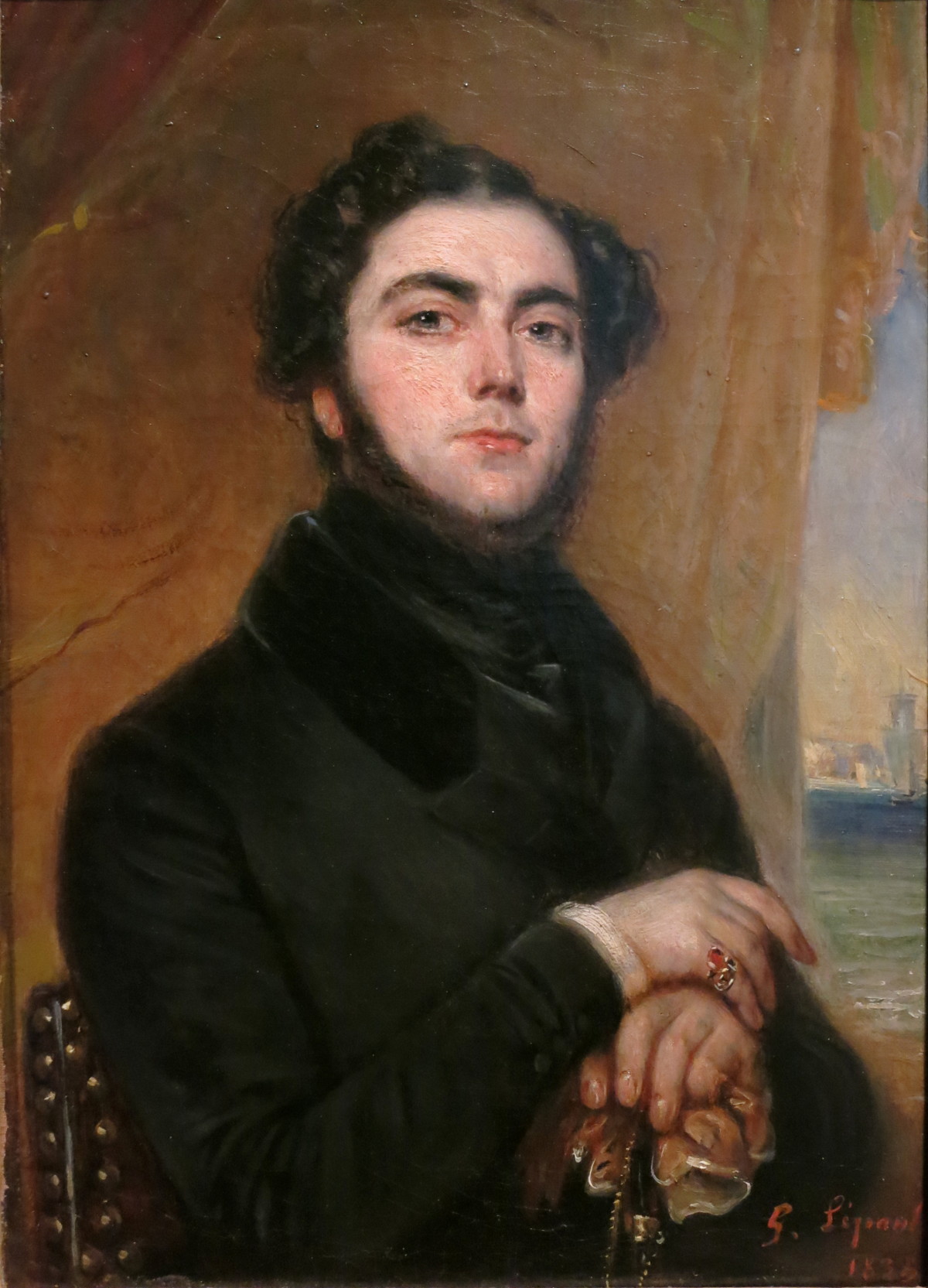
In 1840s Paris, a city of gaslit boulevards and shadowed alleyways, Eugène Sue crafted a novel so electrifying that crowds literally lined up for the next installment. Volume 6 centers on Jacques Ferrand, a notary whose polished charity masks something far darker. As whispers spread through his office about his deteriorating health and mysterious financial dealings, the noose around his secrets tightens. The narrative builds with Hitchcockian tension: a missing girl, corrupt accomplices, a priest serving as reluctant confessor to a man teetering between remorse and ruin. But this is more than a thriller. Sue weaponized suspense to expose the rot beneath Parisian high society, the monstrous things wealth permits, and the desperate lives of those the city prefers to forget. The book reads like a call to arms dressed in Gothic trappings. It held Parisians hostage for over a year, even reaching illiterates who gathered to hear chapters read aloud. Many historians argue it helped ignite the 1848 revolution by making the suffering of the poor impossible to ignore. This is where urban social fiction was born: in sensation, in scandal, in the dangerous marriage of entertainment and outrage.
Editions
X-Ray
“La poesia, come il bene e il bello, è spesso contagiosa.””
— Eugène Sue
Link to this book
Add a free, dofollow link to Lex on your blog, forum, syllabus, or reading list.

<a href="https://lex-books.com/book/the-mysteries-of-paris-illustrated-with-etchings-vol-6-11856f01-171d-4fc4-9278-d4a6f250ec58"><img src="https://lex-books.com/badges/read-on-lex.svg" alt="Read The Mysteries of Paris, Illustrated with Etchings, Vol. 6 by Eugène Sue free on Lex" width="160" height="40"></a>[](https://lex-books.com/book/the-mysteries-of-paris-illustrated-with-etchings-vol-6-11856f01-171d-4fc4-9278-d4a6f250ec58)[url=https://lex-books.com/book/the-mysteries-of-paris-illustrated-with-etchings-vol-6-11856f01-171d-4fc4-9278-d4a6f250ec58][img]https://lex-books.com/badges/read-on-lex.svg[/img][/url]Read The Mysteries of Paris, Illustrated with Etchings, Vol. 6 by Eugène Sue free on Lex: https://lex-books.com/book/the-mysteries-of-paris-illustrated-with-etchings-vol-6-11856f01-171d-4fc4-9278-d4a6f250ec58Cite this book
Reading this edition for a paper or guide? Copy a citation.
Sue, Eugène. The Mysteries of Paris, Illustrated with Etchings, Vol. 6. Lex, lex-books.com/book/the-mysteries-of-paris-illustrated-with-etchings-vol-6-11856f01-171d-4fc4-9278-d4a6f250ec58.Sue, E. (1842). The Mysteries of Paris, Illustrated with Etchings, Vol. 6. Lex. https://lex-books.com/book/the-mysteries-of-paris-illustrated-with-etchings-vol-6-11856f01-171d-4fc4-9278-d4a6f250ec58Sue, Eugène. The Mysteries of Paris, Illustrated with Etchings, Vol. 6. Lex. https://lex-books.com/book/the-mysteries-of-paris-illustrated-with-etchings-vol-6-11856f01-171d-4fc4-9278-d4a6f250ec58.