The Mysteries of Paris, Illustrated with Etchings, Vol. 1
1843
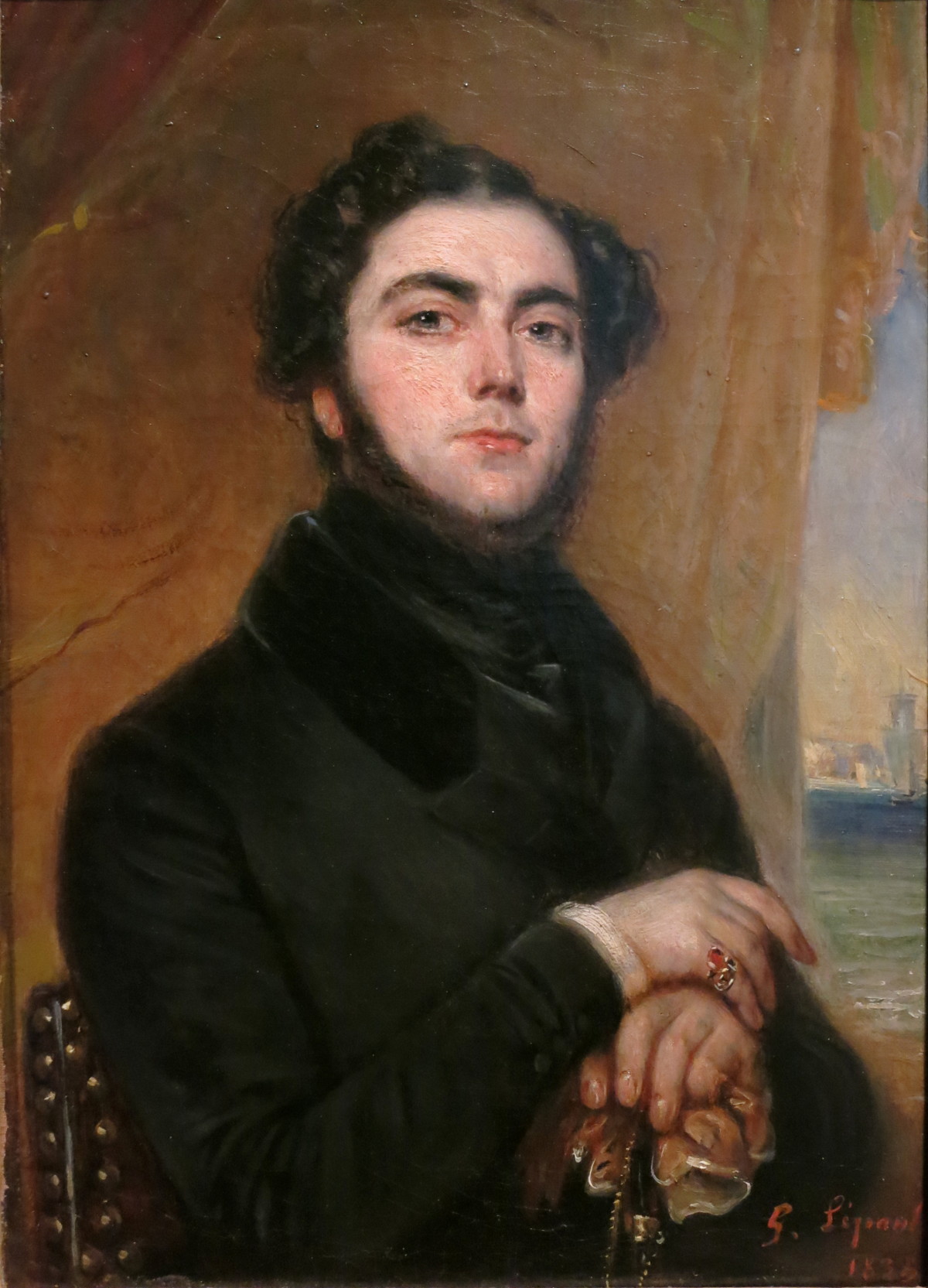
Paris, 1842. Beneath the gaslit boulevards and elegant salons lies another city, a labyrinth of thieves, beggars, fallen women, and desperate souls clutching shattered dreams. Eugène Sue exploded onto the literary scene with this serialized sensation, and for ninety weeks, readers raced to the streetside newsstands desperate for the next installment. At the center stands Rodolphe: a man of immense physical power and unfathomable past, who moves through the city's underworld like a dark avenging angel, rescuing the ruined and punishing the corrupt. His path collides with La Goualeuse, a young girl whose voice was sold for alcohol by her own mother, and whose fight for dignity becomes the beating heart of the novel. The Cité, the grim district where murder and mercy share a staircase, unfolds as a counter-Paris, where survival demands compromise and every hand extended might be a blade in disguise. Sue wrote pulp with a purpose: this is social prophecy dressed in melodrama, a damning indictment of class warfare that read like a thriller and burned like a manifesto. It invented the city mystery, spawned Les Misérables, and earned the distinction of being the most widely read novel of the nineteenth century. If you crave epic scope, moral complexity, and a Paris that bleeds and loves and refuses to die, this is your origin story.
Editions
X-Ray
“La poesia, come il bene e il bello, è spesso contagiosa.””
— Eugène Sue
Link to this book
Add a free, dofollow link to Lex on your blog, forum, syllabus, or reading list.

<a href="https://lex-books.com/book/the-mysteries-of-paris-illustrated-with-etchings-vol-1-aa4b462c-9c8e-4b72-aaec-5354dba2775c"><img src="https://lex-books.com/badges/read-on-lex.svg" alt="Read The Mysteries of Paris, Illustrated with Etchings, Vol. 1 by Eugène Sue free on Lex" width="160" height="40"></a>[](https://lex-books.com/book/the-mysteries-of-paris-illustrated-with-etchings-vol-1-aa4b462c-9c8e-4b72-aaec-5354dba2775c)[url=https://lex-books.com/book/the-mysteries-of-paris-illustrated-with-etchings-vol-1-aa4b462c-9c8e-4b72-aaec-5354dba2775c][img]https://lex-books.com/badges/read-on-lex.svg[/img][/url]Read The Mysteries of Paris, Illustrated with Etchings, Vol. 1 by Eugène Sue free on Lex: https://lex-books.com/book/the-mysteries-of-paris-illustrated-with-etchings-vol-1-aa4b462c-9c8e-4b72-aaec-5354dba2775cCite this book
Reading this edition for a paper or guide? Copy a citation.
Sue, Eugène. The Mysteries of Paris, Illustrated with Etchings, Vol. 1. Lex, lex-books.com/book/the-mysteries-of-paris-illustrated-with-etchings-vol-1-aa4b462c-9c8e-4b72-aaec-5354dba2775c.Sue, E. (1843). The Mysteries of Paris, Illustrated with Etchings, Vol. 1. Lex. https://lex-books.com/book/the-mysteries-of-paris-illustrated-with-etchings-vol-1-aa4b462c-9c8e-4b72-aaec-5354dba2775cSue, Eugène. The Mysteries of Paris, Illustrated with Etchings, Vol. 1. Lex. https://lex-books.com/book/the-mysteries-of-paris-illustrated-with-etchings-vol-1-aa4b462c-9c8e-4b72-aaec-5354dba2775c.