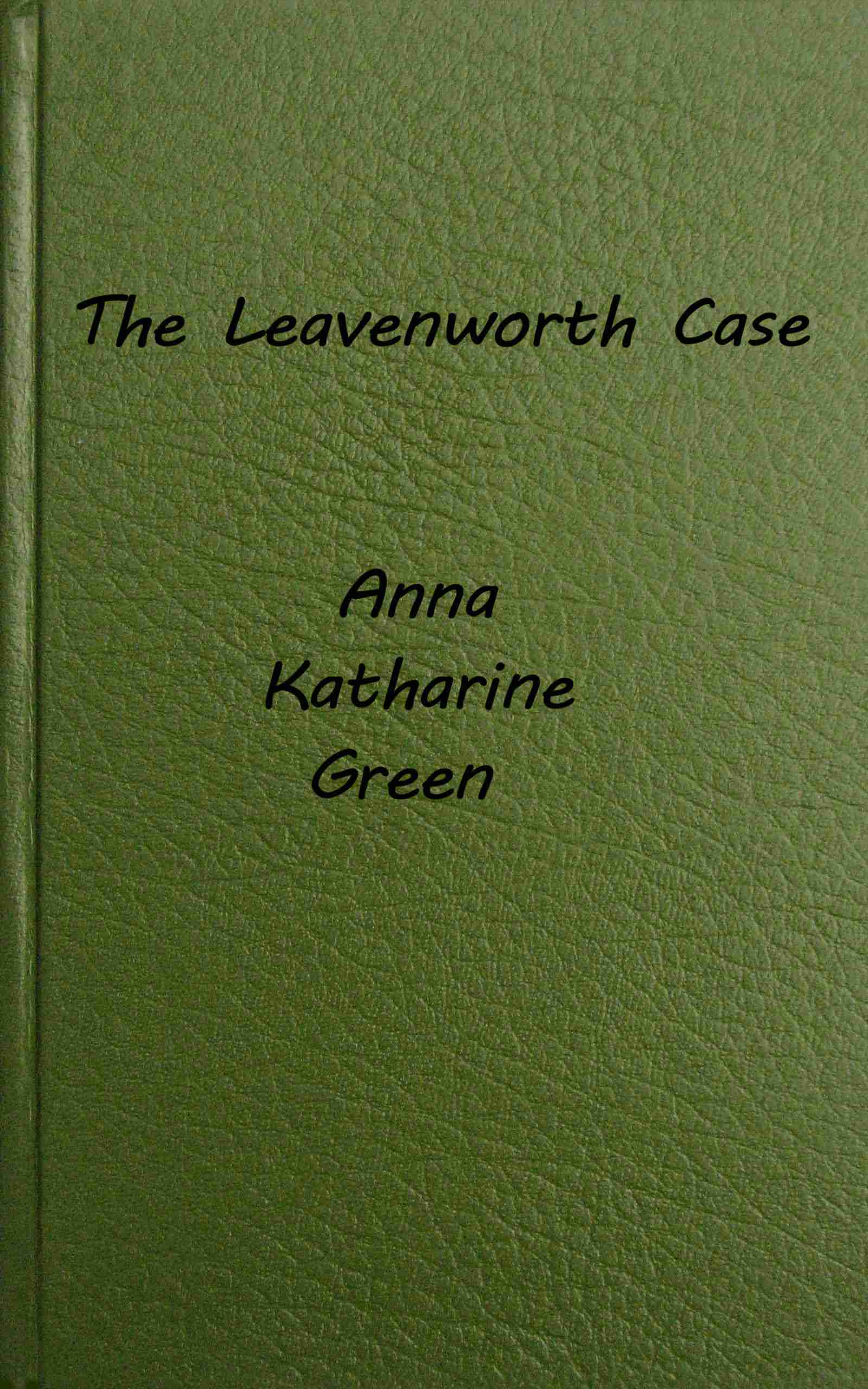
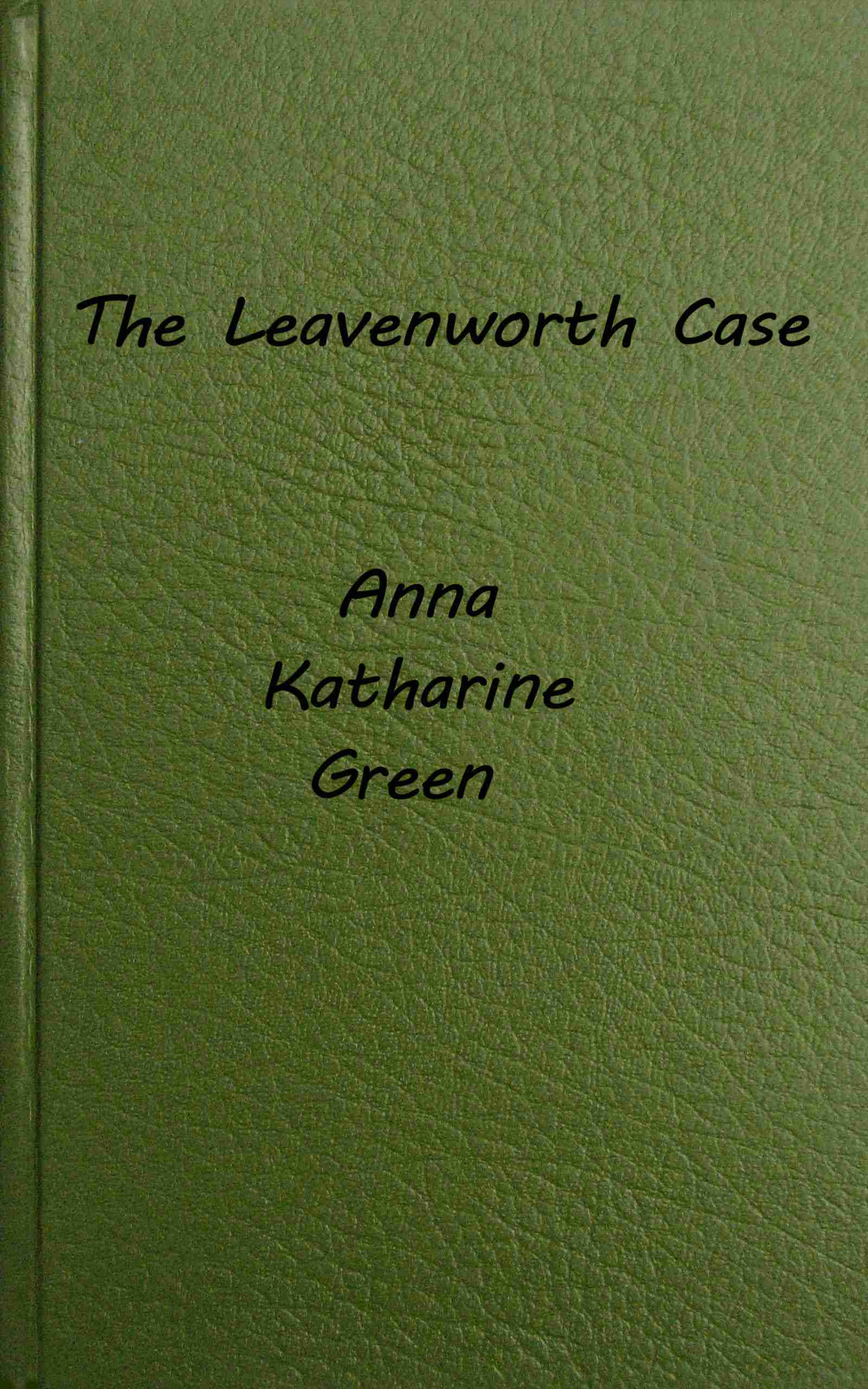
The Leavenworth Case
1878
Long before Sherlock Holmes lit his first pipe, Anna Katharine Green was busy inventing detective fiction itself. The Leavenworth Case, published in 1878, stands as a remarkable artifact: a murder mystery that feels startlingly modern despite its Victorian trappings, yet carries the sentimental warmth of its era like a handwritten letter. When retired merchant Horatio Leavenworth is found shot dead in his Manhattan library, the case seems impossible. No one left the mansion before his body was discovered the next morning. Detective Ebenezer Gryce, one of fiction's first great investigators, must navigate a household of suspects: the dead man's orphaned nieces, his enigmatic private secretary, and a household full of secrets. What emerges is a meticulously plotted puzzle wrapped in genuine human drama, where every interview reveals another layer of motive and every clue demands careful reasoning. Green writes with a lawyer's precision and a poet's ear, crafting a mystery that influenced Agatha Christie herself. For readers who wonder where detective fiction began, here is your answer: it started here, with this cunning, compassionate tale of justice pursued through tangled family ties and hidden hearts.
Editions

X-Ray
“It is not for me to suspect but to detect.””
— Anna Katharine Green
“Guilt has no right to profit by the generosity of the guiltless.””
— Anna Katharine Green
“You have said that if I declared my innocence you would believe me,” she exclaimed, lifting her head as I entered. “See here,” and laying her cheek against the pallid brow of her dead benefactor, she kissed the clay-cold lips softly, wildly, agonisedly, then, leaping to her feet, cried, in a subdued but thrilling tone: “Could I do that if I were guilty? Would not the breath freeze on my lips, the blood congeal in my veins, and my heart faint at this contact?””
— Anna Katharine Green
“Marriage founded upon deception can never lead to happiness.””
— Anna Katharine Green
“You must never, in reckoning up an affair of murder like this, forget who it is that most profits by the deceased man's death.””
— Anna Katharine Green
“I wished to knit her beauty so firmly into the warp and woof of my being that nothing could ever serve to tear it away. For I saw then as plainly as now that, coquette though she was, she would never stoop to me. No; I might lie down at her feet and let her trample over me; she would not even turn to see what it was she had stepped upon.””
— Anna Katharine Green
“And leaving them there, with the light of growing hope and confidence on their faces, we went out again into the night, and so into a dream from which I have never waked, though the shine of her dear eyes have been now the load-star of my life for many happy, happy months.””
— Anna Katharine Green
“the path of rectitude is a straight one, and that he who steps into devious byways is going astray.””
— Anna Katharine Green
“If one had irreparably injured a fellow-being, it would be hard for a person of sensitive nature to live a happy life afterwards; though the fact of not living a happy life ought to be no reason why one should not live a good life.””
— Anna Katharine Green
Link to this book
Add a free, dofollow link to Lex on your blog, forum, syllabus, or reading list.

<a href="https://lex-books.com/book/the-leavenworth-case-836bda13-a9ce-4993-903b-723e9ab676d6"><img src="https://lex-books.com/badges/read-on-lex.svg" alt="Read The Leavenworth Case by Anna Katharine Green free on Lex" width="160" height="40"></a>[](https://lex-books.com/book/the-leavenworth-case-836bda13-a9ce-4993-903b-723e9ab676d6)[url=https://lex-books.com/book/the-leavenworth-case-836bda13-a9ce-4993-903b-723e9ab676d6][img]https://lex-books.com/badges/read-on-lex.svg[/img][/url]Read The Leavenworth Case by Anna Katharine Green free on Lex: https://lex-books.com/book/the-leavenworth-case-836bda13-a9ce-4993-903b-723e9ab676d6Cite this book
Reading this edition for a paper or guide? Copy a citation.
Green, Anna Katharine. The Leavenworth Case. Lex, lex-books.com/book/the-leavenworth-case-836bda13-a9ce-4993-903b-723e9ab676d6.Green, A. K. (1878). The Leavenworth Case. Lex. https://lex-books.com/book/the-leavenworth-case-836bda13-a9ce-4993-903b-723e9ab676d6Green, Anna Katharine. The Leavenworth Case. Lex. https://lex-books.com/book/the-leavenworth-case-836bda13-a9ce-4993-903b-723e9ab676d6.