Lost Man’s Lane
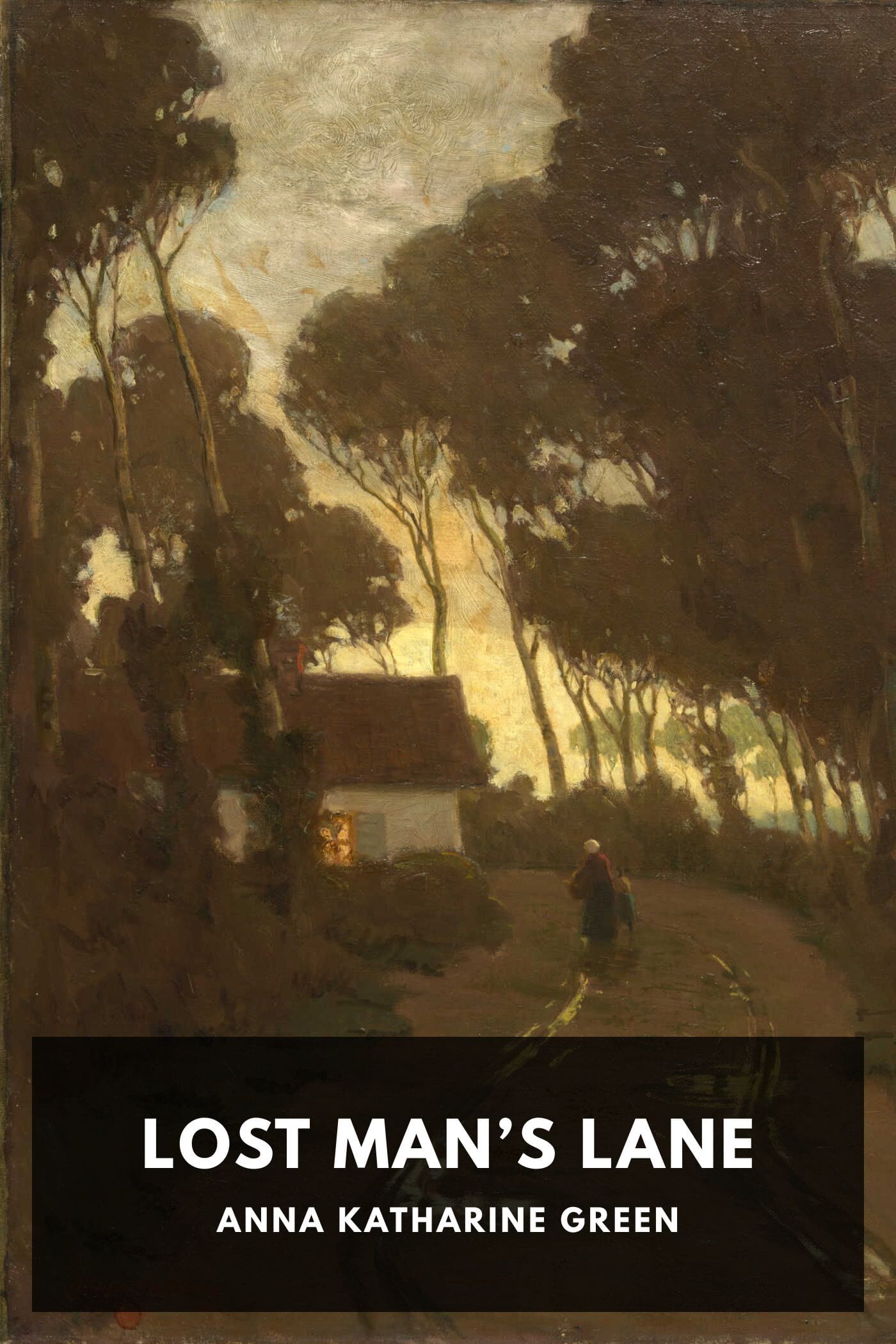
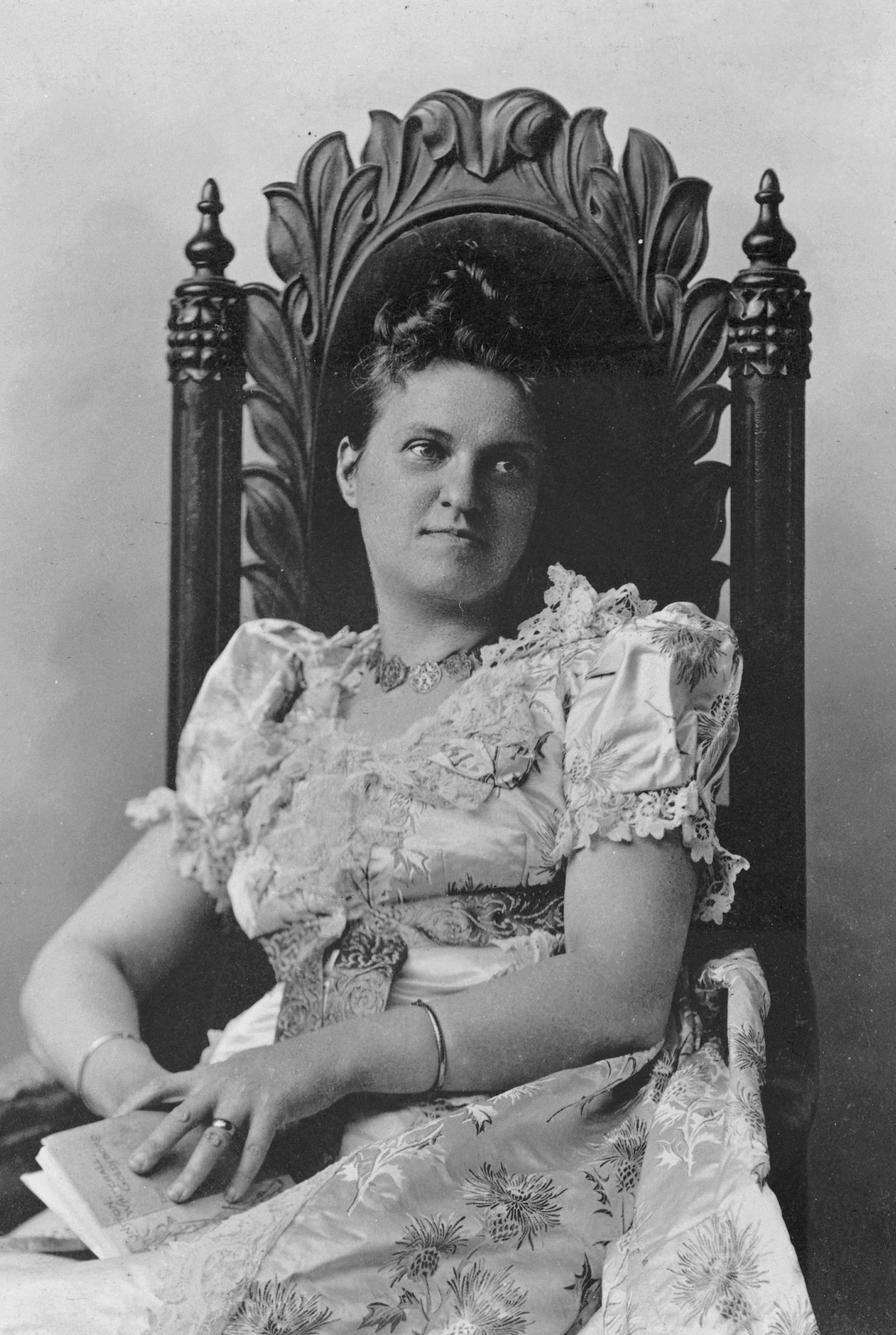
In the quiet, seemingly idyllic Berkshire Hills, a sinister pattern of disappearances has begun to emerge, drawing the seasoned New York detective Ebenezer Gryce into its perplexing depths. He calls upon the sharp-witted and wonderfully observant Amelia Butterworth, who, under the guise of visiting an old friend, infiltrates a decaying village estate. There, amidst the faded grandeur and hushed whispers, she uncovers a tangled web of secrets and misdirection that permeates the very fabric of the community and her friend's family, forcing her to question the true nature of everyone around her. Anna Katharine Green, a pioneering voice in detective fiction, masterfully crafts a Victorian mystery that is as much a study of character and social dynamics as it is a thrilling whodunit. Butterworth's keen intellect and Gryce's methodical approach provide a compelling dual perspective, while Green's evocative prose paints a vivid picture of rural deception and the claustrophobic pressures of small-town life. This is a journey into the dark underbelly of respectability, a testament to Green's enduring influence, and a captivating read for anyone who appreciates the intricate dance of clues and human fallibility.
Editions

X-Ray
A wealthy, middle-aged spinster from New York with detective instincts. She is methodical, observant, and determined to solve mysteries despite her proper Victorian sensibilities.
An experienced New York detective, elderly but sharp. He manipulates situations to solve cases and often uses Amelia's social position to gain access where police cannot.
A delicate, nervous young woman living in the family mansion. She is devoted to her family but harbors secrets and fears about the mysterious disappearances in Lost Man's Lane.
The elder Knollys sister, more composed and dignified than Lucetta. She maintains the family's facade while dealing with their dark secrets.
About Lost Man’s Lane
Chapter Summaries
- I
- Mr. Gryce visits Amelia Butterworth to discuss mysterious disappearances in a remote village called X. He subtly manipulates her into volunteering for the investigation by appealing to her detective instincts.
- II
- Mr. Gryce describes the four mysterious disappearances in Lost Man's Lane and shows Amelia a map of the area. He hints that only a woman could successfully investigate the refined families living there.
- III
- Amelia decides to visit X under the pretense of seeing her deceased friend Althea's children. She receives a warning telegram from Mr. Gryce about another disappearance but proceeds anyway.
Key Themes
- Social Class and Propriety
- The novel explores Victorian social expectations and how proper ladies like Amelia must navigate detective work while maintaining respectability. Class distinctions affect every interaction and investigation method.
- Family Loyalty vs. Moral Duty
- The Knollys sisters struggle between protecting their brother William from exposure and their moral obligations to society. Their loyalty leads them to cover up his cruel experiments and violent nature.
- Appearance vs. Reality
- Nothing in Lost Man's Lane is as it seems - the phantom coach is real, the respectable family harbors dark secrets, and the simple-minded Mother Jane holds crucial evidence. Truth lies beneath surface appearances.
Characters
- Amelia Butterworth(protagonist)
- A wealthy, middle-aged spinster from New York with detective instincts. She is methodical, observant, and determined to solve mysteries despite her proper Victorian sensibilities.
- Mr. Gryce(major)
- An experienced New York detective, elderly but sharp. He manipulates situations to solve cases and often uses Amelia's social position to gain access where police cannot.
- Lucetta Knollys(major)
- A delicate, nervous young woman living in the family mansion. She is devoted to her family but harbors secrets and fears about the mysterious disappearances in Lost Man's Lane.
- Loreen Knollys(major)
- The elder Knollys sister, more composed and dignified than Lucetta. She maintains the family's facade while dealing with their dark secrets.
- William Knollys(major)
- A brutal, selfish man with a passion for vivisection. He is crude, violent, and cares only for his own pleasures, particularly his dogs and scientific experiments.
- Mr. Trohm(major)
- A refined, middle-aged bachelor who lives near the Knollys family. He maintains beautiful gardens and shows romantic interest in Amelia while assisting the investigation.
Link to this book
Add a free, dofollow link to Lex on your blog, forum, syllabus, or reading list.

<a href="https://lex-books.com/book/lost-man-s-lane-42e5bdcd-bbd4-4e67-bf0f-e892880d1a2c"><img src="https://lex-books.com/badges/read-on-lex.svg" alt="Read Lost Man’s Lane by Anna Katharine Green free on Lex" width="160" height="40"></a>[](https://lex-books.com/book/lost-man-s-lane-42e5bdcd-bbd4-4e67-bf0f-e892880d1a2c)[url=https://lex-books.com/book/lost-man-s-lane-42e5bdcd-bbd4-4e67-bf0f-e892880d1a2c][img]https://lex-books.com/badges/read-on-lex.svg[/img][/url]Read Lost Man’s Lane by Anna Katharine Green free on Lex: https://lex-books.com/book/lost-man-s-lane-42e5bdcd-bbd4-4e67-bf0f-e892880d1a2cCite this book
Reading this edition for a paper or guide? Copy a citation.
Green, Anna Katharine. Lost Man’s Lane. Lex, lex-books.com/book/lost-man-s-lane-42e5bdcd-bbd4-4e67-bf0f-e892880d1a2c.Green, A. K. (n.d.). Lost Man’s Lane. Lex. https://lex-books.com/book/lost-man-s-lane-42e5bdcd-bbd4-4e67-bf0f-e892880d1a2cGreen, Anna Katharine. Lost Man’s Lane. Lex. https://lex-books.com/book/lost-man-s-lane-42e5bdcd-bbd4-4e67-bf0f-e892880d1a2c.