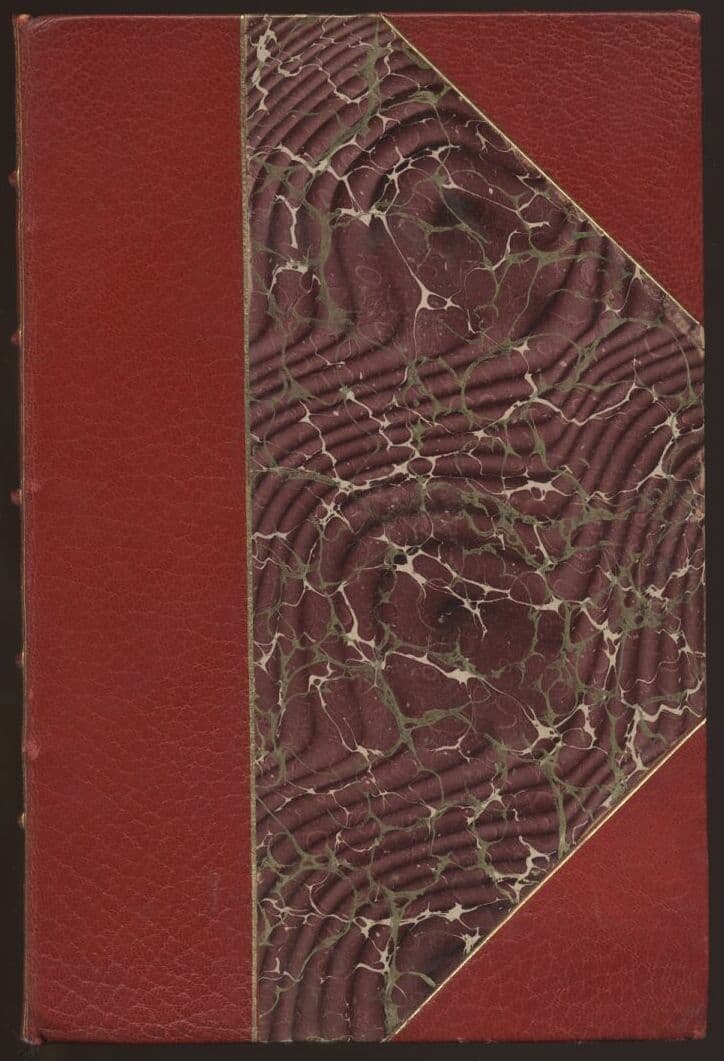
The Hound of the Baskervilles
1902
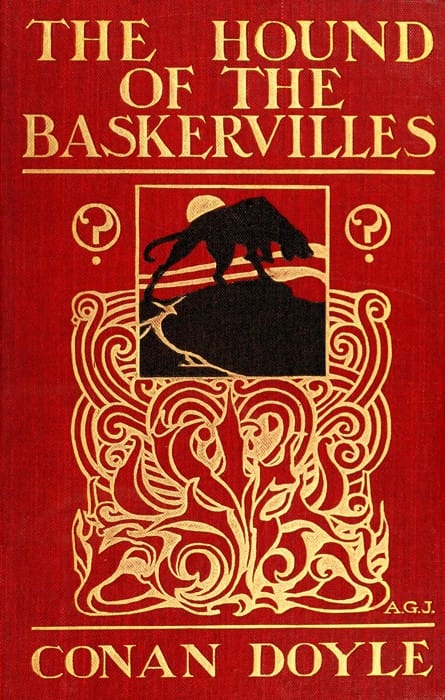
The Hound of the Baskervilles
1902
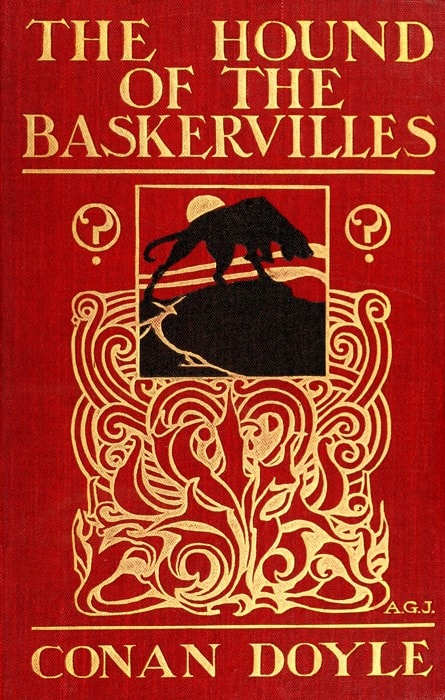
The moor is vast, ancient, and terrifying. When Sir Charles Baskerville dies on its edge, his heir arrives to claim the family seat, and a legend stirs: a demonic hound, cursed to destroy the Baskerville line. Sherlock Holmes dispatches Watson ahead to protect Sir Henry, but the foggy, wind-swept moors hide more than sheep. Is the hound a supernatural apparition, or is someone using an ancient myth to commit murder? Holmes weaves through a web of escaped convicts, suspicious neighbors, and secrets buried in the old family crypt. The brilliance here is Doyle's masterstroke: the reader suspects the rational explanation, yet the atmosphere is so thick with dread that you half-believe in the supernatural anyway. This is the novel that revived Holmes after his apparent death, and it remains the most atmospheric of the four. Part gothic horror, part razor-sharp detection, it asks what happens when ancient evil meets modern reason.
Editions

X-Ray
“The world is full of obvious things which nobody by any chance ever observes.””
— Arthur Conan Doyle
“Evil indeed is the man who has not one woman to mourn him.””
— Arthur Conan Doyle
“presume nothing””
— Arthur Conan Doyle
“It is not my intention to be fulsome, but I confess that I covet your skull.””
— Arthur Conan Doyle
“There's a light in a woman's eyes that speaks louder than words.””
— Arthur Conan Doyle
“The devil’s agents may be of flesh and blood, may they not?””
— Arthur Conan Doyle
“There is nothing more stimulating than a case where everything goes against you.””
— Arthur Conan Doyle
“He burst into one of his rare fits of laughter as he turned away from the picture. I have not heard him laugh often, and it has always boded ill to somebody.””
— Arthur Conan Doyle
“Really, Watson, you excel yourself," said Holmes, pushing back his chair and lighting a cigarette. "I am bound to say that in all the accounts which you have been so good as to give of my own small achievements you have habitually underrated your own abilities. It may be that you are not yourself luminous, but you are a conductor of light. Some people without possessing genius have a remarkable power of stimulating it. I confess, my dear fellow, that I am very much in your debt.””
— Arthur Conan Doyle
Link to this book
Add a free, dofollow link to Lex on your blog, forum, syllabus, or reading list.

<a href="https://lex-books.com/book/the-hound-of-the-baskervilles-0de55160-b2df-4ce4-8d58-b7e9bdc931a1"><img src="https://lex-books.com/badges/read-on-lex.svg" alt="Read The Hound of the Baskervilles by Arthur Conan Doyle free on Lex" width="160" height="40"></a>[](https://lex-books.com/book/the-hound-of-the-baskervilles-0de55160-b2df-4ce4-8d58-b7e9bdc931a1)[url=https://lex-books.com/book/the-hound-of-the-baskervilles-0de55160-b2df-4ce4-8d58-b7e9bdc931a1][img]https://lex-books.com/badges/read-on-lex.svg[/img][/url]Read The Hound of the Baskervilles by Arthur Conan Doyle free on Lex: https://lex-books.com/book/the-hound-of-the-baskervilles-0de55160-b2df-4ce4-8d58-b7e9bdc931a1Cite this book
Reading this edition for a paper or guide? Copy a citation.
Doyle, Arthur Conan. The Hound of the Baskervilles. Lex, lex-books.com/book/the-hound-of-the-baskervilles-0de55160-b2df-4ce4-8d58-b7e9bdc931a1.Doyle, A. C. (1902). The Hound of the Baskervilles. Lex. https://lex-books.com/book/the-hound-of-the-baskervilles-0de55160-b2df-4ce4-8d58-b7e9bdc931a1Doyle, Arthur Conan. The Hound of the Baskervilles. Lex. https://lex-books.com/book/the-hound-of-the-baskervilles-0de55160-b2df-4ce4-8d58-b7e9bdc931a1.