The Great Boer War
1900
The Great Boer War
1900
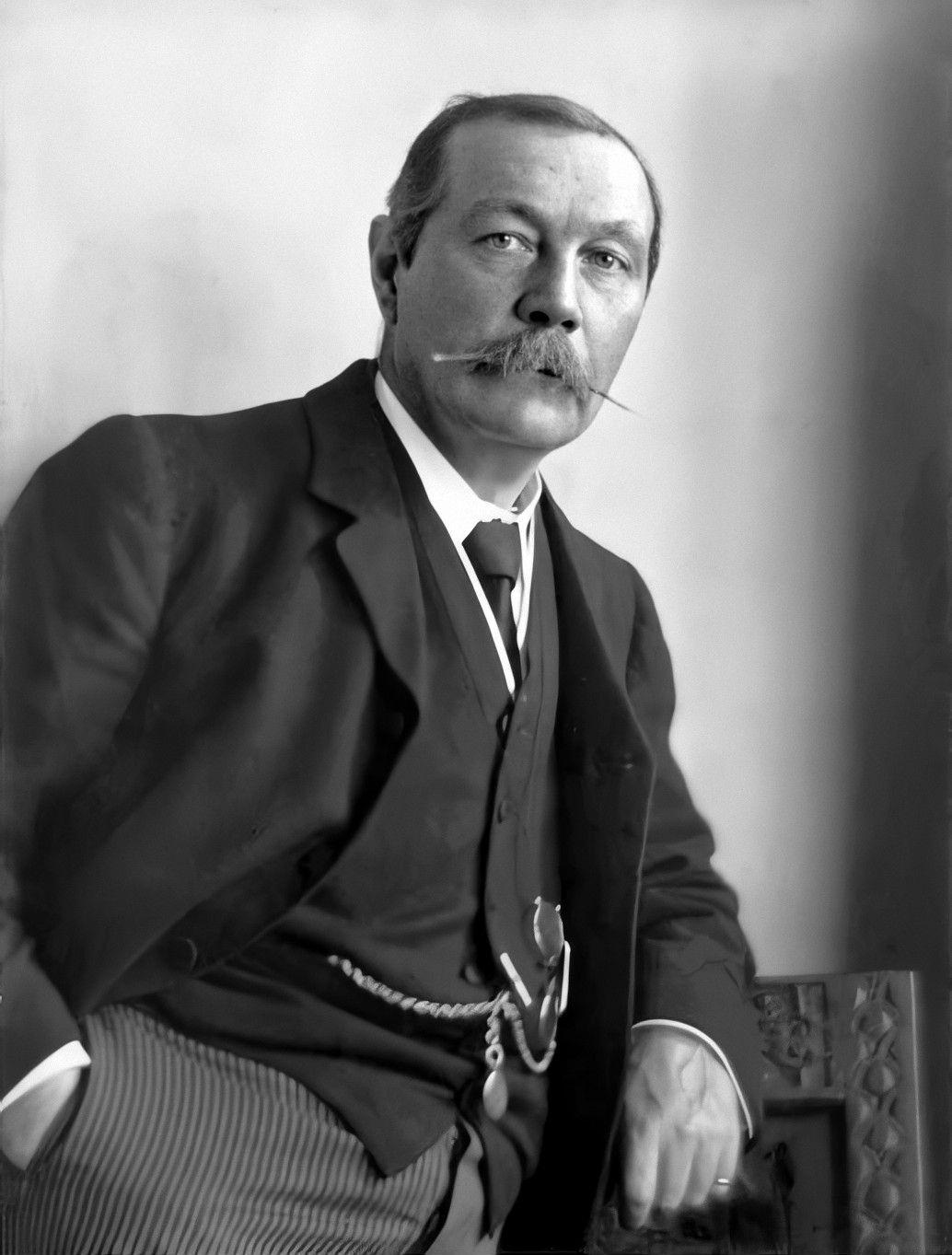
Arthur Conan Doyle brought Sherlock Holmes to life, but his most surprising literary act may be this vivid, granular account of the Second Boer War. Written in 1900 while Doyle served as a doctor at a field hospital in Bloemfontein, the book emerges from an extraordinary position: a world-famous novelist embedded with British forces, gathering stories from wounded officers and soldiers as they convalesced under his care. What results is history written with a novelist's instinct for pacing and character, even as the author insists on factual precision. The book captures the Boers, descendants of Dutch and French Huguenot settlers, with striking empathy for a people whose rural simplicity and fierce independence would collide catastrophically with imperial Britain. Doyle details the causes of the war, the early battles, the guerrilla tactics, and the brutal logic of colonial expansion, all while acknowledging the complex humanity on both sides. By the time Doyle completed his account in September 1900, the British believed the war was won. It ground on for two more years. This book preserves the war as Doyle saw it, caught between optimism and horror, written by a man who healed soldiers by day and transcribed their stories by night.
Editions
X-Ray
“Take a community of Dutchmen of the type of those who defended themselves for fifty years against all the power of Spain at a time when Spain was the greatest power in the World. Intermix with them a strain of those inflexible French Huguenots who gave up home and fortune and left their Country forever at the time of the revocation of the Edict of Nantes. The product must obviously be one of the most rugged, virile, unconquerable races ever seen upon Earth. Take this formidable people and train them for seven generations in constant warfare against savage men and ferocious beasts, in circumstances under which no weakling could survive, place them so that they acquire exceptional skills with weapons and in horsemanship, give them a Country which is eminently suited to the tactics of the huntsman, the marksman and the rider. Then, finally, put a fine temper upon their military qualities by a dour fatalistic Old Testament religion and an ardent and consuming patriotism. Combine all of these qualities and all these impulses in one individual, and you have the modern Boer. The most formidable antagonist who ever crossed the path of Imperial Britain.””
— Arthur Conan Doyle
“they were of much the same stock, and their creeds could only be distinguished by their varying degrees of bigotry and intolerance.””
— Arthur Conan Doyle
Link to this book
Add a free, dofollow link to Lex on your blog, forum, syllabus, or reading list.

<a href="https://lex-books.com/book/the-great-boer-war-8a223bab-eb08-430b-8065-4d30cffdbd0e"><img src="https://lex-books.com/badges/read-on-lex.svg" alt="Read The Great Boer War by Arthur Conan Doyle free on Lex" width="160" height="40"></a>[](https://lex-books.com/book/the-great-boer-war-8a223bab-eb08-430b-8065-4d30cffdbd0e)[url=https://lex-books.com/book/the-great-boer-war-8a223bab-eb08-430b-8065-4d30cffdbd0e][img]https://lex-books.com/badges/read-on-lex.svg[/img][/url]Read The Great Boer War by Arthur Conan Doyle free on Lex: https://lex-books.com/book/the-great-boer-war-8a223bab-eb08-430b-8065-4d30cffdbd0eCite this book
Reading this edition for a paper or guide? Copy a citation.
Doyle, Arthur Conan. The Great Boer War. Lex, lex-books.com/book/the-great-boer-war-8a223bab-eb08-430b-8065-4d30cffdbd0e.Doyle, A. C. (1900). The Great Boer War. Lex. https://lex-books.com/book/the-great-boer-war-8a223bab-eb08-430b-8065-4d30cffdbd0eDoyle, Arthur Conan. The Great Boer War. Lex. https://lex-books.com/book/the-great-boer-war-8a223bab-eb08-430b-8065-4d30cffdbd0e.