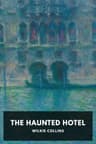
The Haunted Hotel: A Mystery of Modern Venice
1878
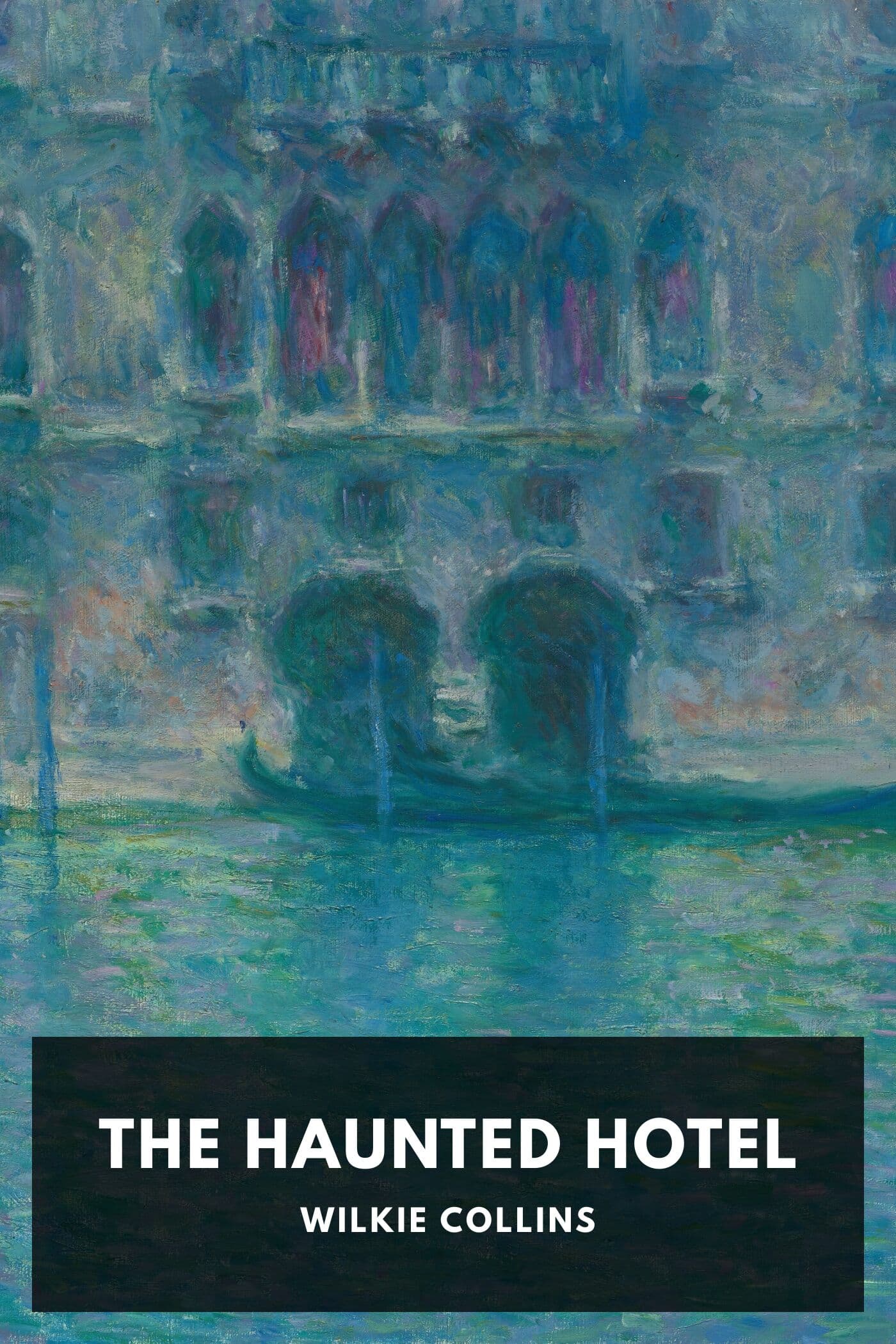
A physician's consultation with a trembling, ghostly woman opens one of Victorian England's most unsettling mysteries. Doctor Wybrow is summoned by a foreign countess whose pallor and black eyes betray a mind unraveling under the weight of terrible premonitions. She has married a man whose former fiancee died under mysterious circumstances, and now she herself feels hunted by something she cannot name. The action shifts to Venice, to the Palace Hotel, where the shadow of the dead Lord Montbarry allegedly walks. His beautiful, feared wife, the Countess Narona, and her menacing brother inhabit the hotel's most luxurious quarters, their presence corroding the atmosphere with dread. Is this a genuine haunting, the spiritual residue of a murdered man? Or is it something far more terrestrial: a crime concealed beneath the machinery of the supernatural? Collins constructs his mystery with the precision of a courtroom dramatist, keeping the reader suspended between rational explanation and genuine dread until the final revelation.
Editions
X-Ray
“In every class of society, gratitude is the rarest of all human virtues.””
— Wilkie Collins
“What lurking temptations to forbidden tenderness find their finding-places in a woman's dressing-gown, when she is alone in her room at night!””
— Wilkie Collins
“Demandez-vous s´il y a une explication au mystere de la vie et de la mort””
— Wilkie Collins
“But you make allowances for women; we all talk nonsense. Good””
— Wilkie Collins
“Forgive me, dear Mr. Troy! I am very unhappy, and very unreasonable”
— Wilkie Collins
“I smell your cigar. Delicious! Give me one directly.””
— Wilkie Collins
“I give you better than proof, gentlemen; I give you my positive opinion.””
— Wilkie Collins
“How much happier we should be,' she thought to herself sadly, 'if we never grew up!””
— Wilkie Collins
“The most easily deteriorated of all the moral qualities is the quality called 'conscience.' In one state of a man's mind, his conscience is the severest judge that can pass sentence on him. In another state, he and his conscience are on the best possible terms with each other in the comfortable capacity of accomplices.””
— Wilkie Collins
Link to this book
Add a free, dofollow link to Lex on your blog, forum, syllabus, or reading list.

<a href="https://lex-books.com/book/the-haunted-hotel-a-mystery-of-modern-venice-69dcc6fc-9632-4451-80ec-c1fbf6faa7c6"><img src="https://lex-books.com/badges/read-on-lex.svg" alt="Read The Haunted Hotel: A Mystery of Modern Venice by Wilkie Collins free on Lex" width="160" height="40"></a>[](https://lex-books.com/book/the-haunted-hotel-a-mystery-of-modern-venice-69dcc6fc-9632-4451-80ec-c1fbf6faa7c6)[url=https://lex-books.com/book/the-haunted-hotel-a-mystery-of-modern-venice-69dcc6fc-9632-4451-80ec-c1fbf6faa7c6][img]https://lex-books.com/badges/read-on-lex.svg[/img][/url]Read The Haunted Hotel: A Mystery of Modern Venice by Wilkie Collins free on Lex: https://lex-books.com/book/the-haunted-hotel-a-mystery-of-modern-venice-69dcc6fc-9632-4451-80ec-c1fbf6faa7c6Cite this book
Reading this edition for a paper or guide? Copy a citation.
Collins, Wilkie. The Haunted Hotel: A Mystery of Modern Venice. Lex, lex-books.com/book/the-haunted-hotel-a-mystery-of-modern-venice-69dcc6fc-9632-4451-80ec-c1fbf6faa7c6.Collins, W. (1878). The Haunted Hotel: A Mystery of Modern Venice. Lex. https://lex-books.com/book/the-haunted-hotel-a-mystery-of-modern-venice-69dcc6fc-9632-4451-80ec-c1fbf6faa7c6Collins, Wilkie. The Haunted Hotel: A Mystery of Modern Venice. Lex. https://lex-books.com/book/the-haunted-hotel-a-mystery-of-modern-venice-69dcc6fc-9632-4451-80ec-c1fbf6faa7c6.