The Gorilla Hunters
1861
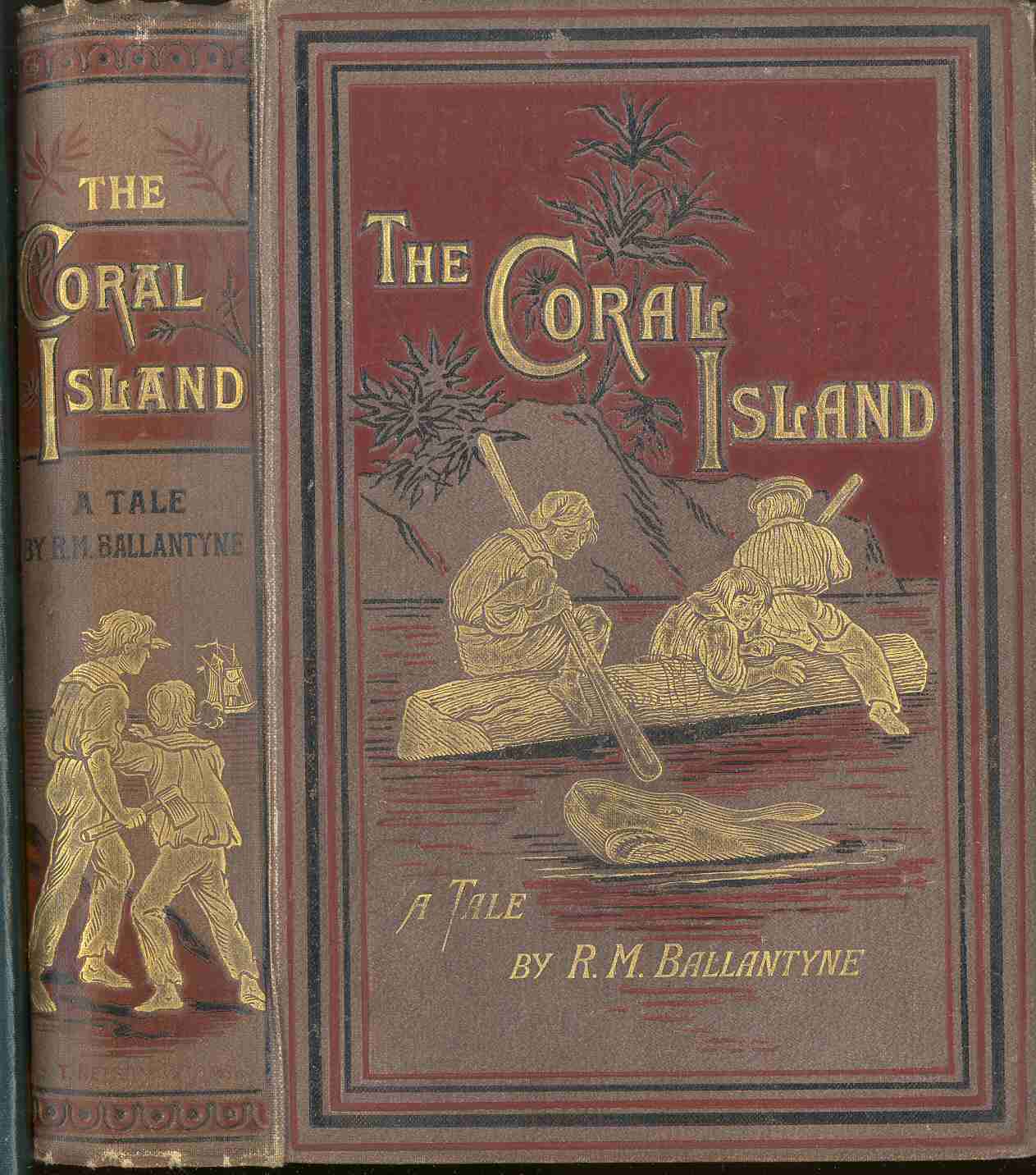
The Gorilla Hunters: A Tale of the Wilds of Africa, published in 1861 by Scottish author R. M. Ballantyne, follows the adventures of Ralph Rover and his friends as they embark on a gorilla hunting expedition in Africa. This boys' adventure novel serves as a sequel to Ballantyne's earlier work, The Coral Island, and features themes of exploration, natural history, and the impact of missionary work among native populations. The narrative captures the excitement of their journey and the challenges they face in the African wilderness, reflecting contemporary debates on evolution and colonialism.
Editions
X-Ray
“When a bad shot points a bad gun at you, your best plan is to stand still and take your chance. In such a case the chance is not a bad one. - Jack””
— R. M. Ballantyne
“I am not prone to indulge in effeminate demonstration, but I am not ashamed to confess that when I gazed on the weather-beaten though ruddy countenance of my old companion, and observed the eager glance of his bright blue eyes, I was quite overcome, and rushed violently into his arms.””
— R. M. Ballantyne
“Very justly and modestly said,” remarked Peterkin, with an approving nod. “’Tis a pity that men are not more generally animated with your spirit, Mak. Most people, when they do wrong or make a mistake, are too apt to try to excuse themselves.””
— R. M. Ballantyne
“I should not wonder, now, if you, Ralph, were to go home and write a book detailing our adventures in these parts, that at least half the sportsmen of England would be in Africa next year, and the race of gorillas would probably become extinct””
— R. M. Ballantyne
“Well, there is a tide also in the affair of getting up in the morning, and its flood-point is the precise instant when you recover consciousness. At that moment every one, I believe, has moral courage to leap violently out of bed; but let that moment pass, and you sink supinely back, if not to sleep, at least into a desperate condition of unconquerable lethargy.””
— R. M. Ballantyne
“I propose,” replied Jack, “that we shall undress ourselves, rub ourselves entirely over with charcoal and grease, so that they shall not recognise us, and dash in and carry the girl off by a coup de main. In which case it will, of course, be neck or nothing, and a tremendous race to the cave, where, if they follow us, we will keep them at bay with our rifles.” “Umph!””
— R. M. Ballantyne
“We Circumvent the Natives. We arose on the following morning with the dawn of day, and began to make preparation for our departure. To””
— R. M. Ballantyne
“Dere is one cave,” remarked the guide, “not far off to here. P’raps we be safe if we git into ’im. But I ’fraid it not do, cause him be peepiled by fiends an’ dead man’s spirits.” “That’s””
— R. M. Ballantyne
“They leaped and laughed and danced like insane men, and we had much ado to prevent them seizing us in their arms and rubbing noses with us. As””
— R. M. Ballantyne
Link to this book
Add a free, dofollow link to Lex on your blog, forum, syllabus, or reading list.

<a href="https://lex-books.com/book/the-gorilla-hunters-9a0dc9fc-cecc-4c48-8986-704e28765bd5"><img src="https://lex-books.com/badges/read-on-lex.svg" alt="Read The Gorilla Hunters by R. M. Ballantyne free on Lex" width="160" height="40"></a>[](https://lex-books.com/book/the-gorilla-hunters-9a0dc9fc-cecc-4c48-8986-704e28765bd5)[url=https://lex-books.com/book/the-gorilla-hunters-9a0dc9fc-cecc-4c48-8986-704e28765bd5][img]https://lex-books.com/badges/read-on-lex.svg[/img][/url]Read The Gorilla Hunters by R. M. Ballantyne free on Lex: https://lex-books.com/book/the-gorilla-hunters-9a0dc9fc-cecc-4c48-8986-704e28765bd5Cite this book
Reading this edition for a paper or guide? Copy a citation.
Ballantyne, R. M.. The Gorilla Hunters. Lex, lex-books.com/book/the-gorilla-hunters-9a0dc9fc-cecc-4c48-8986-704e28765bd5.Ballantyne, R. M. (1861). The Gorilla Hunters. Lex. https://lex-books.com/book/the-gorilla-hunters-9a0dc9fc-cecc-4c48-8986-704e28765bd5Ballantyne, R. M.. The Gorilla Hunters. Lex. https://lex-books.com/book/the-gorilla-hunters-9a0dc9fc-cecc-4c48-8986-704e28765bd5.