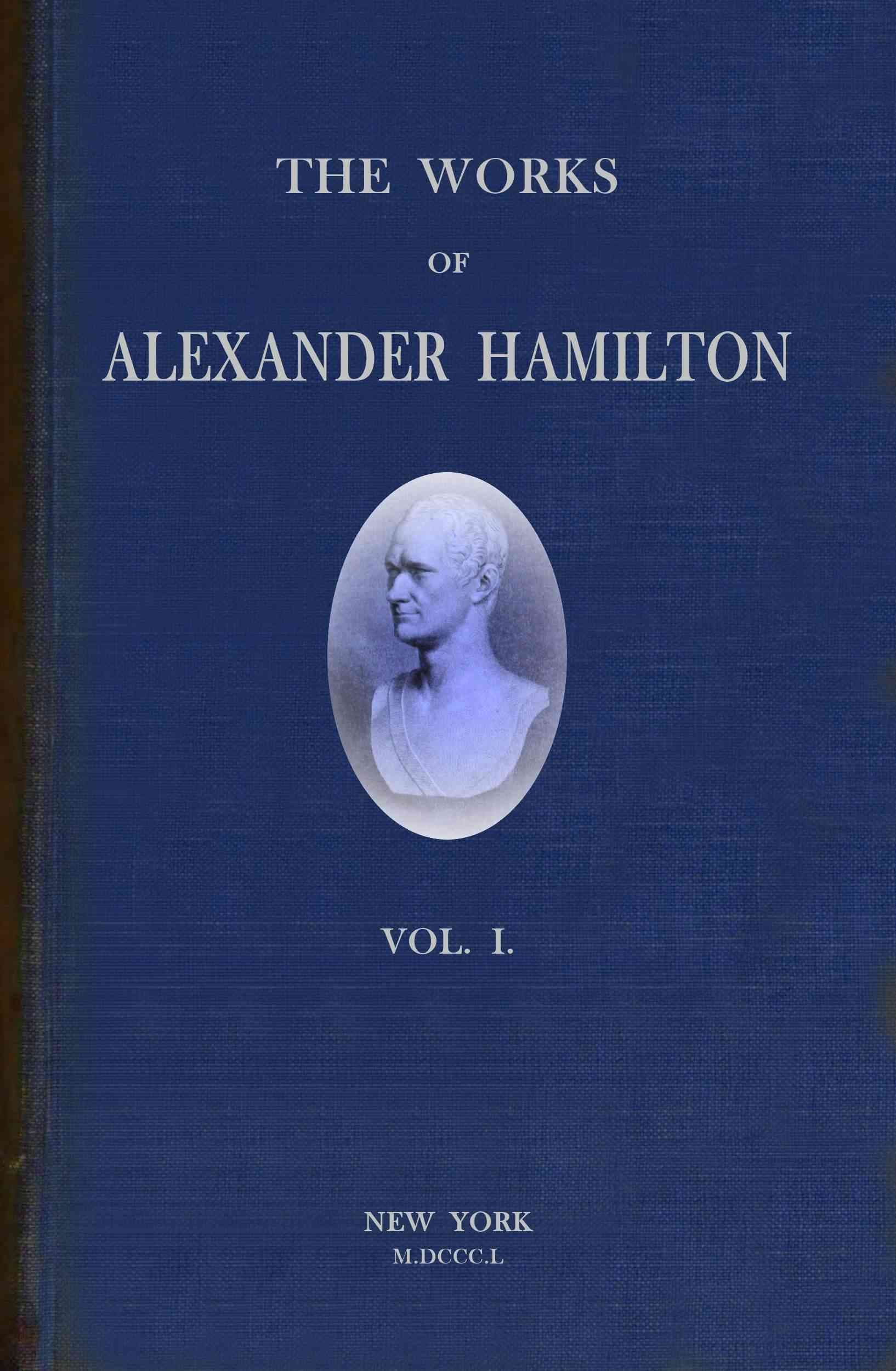
The Federalist Papers
1788
Three men. Eighty-five essays. One argument that would reshape the world. In 1787, after the Constitutional Convention drafted a new framework for American government, the fate of the document hung in the balance. Ratification required the votes of skeptical states, particularly New York. So Alexander Hamilton, James Madison, and John Jay took to the presses under the pseudonym Publius to make the case for a stronger union. What emerged was not dry legal argumentation but passionate, often prescient defense of republican government. Hamilton's Federalist No. 10 offered a groundbreaking theory of faction and representative democracy. Madison anatomized the dangers of concentrated power. Together, they addressed fears of tyranny, foreign interference, and the chaos of disunion with urgency and intellectual force. Two centuries later, these essays remain the most authoritative commentary on the Constitution's principles. Supreme Court justices cite them. Scholars debate them. And anyone seeking to understand the foundations of American governance must reckon with this spirited, sometimes furious, always rigorous defense of self-government.
Editions

Link to this book
Add a free, dofollow link to Lex on your blog, forum, syllabus, or reading list.

<a href="https://lex-books.com/book/the-federalist-papers-06a3a146-d57d-49eb-9ee4-127b65d3929c"><img src="https://lex-books.com/badges/read-on-lex.svg" alt="Read The Federalist Papers by Alexander Hamilton free on Lex" width="160" height="40"></a>[](https://lex-books.com/book/the-federalist-papers-06a3a146-d57d-49eb-9ee4-127b65d3929c)[url=https://lex-books.com/book/the-federalist-papers-06a3a146-d57d-49eb-9ee4-127b65d3929c][img]https://lex-books.com/badges/read-on-lex.svg[/img][/url]Read The Federalist Papers by Alexander Hamilton free on Lex: https://lex-books.com/book/the-federalist-papers-06a3a146-d57d-49eb-9ee4-127b65d3929cCite this book
Reading this edition for a paper or guide? Copy a citation.
Hamilton, Alexander. The Federalist Papers. Lex, lex-books.com/book/the-federalist-papers-06a3a146-d57d-49eb-9ee4-127b65d3929c.Hamilton, A. (1788). The Federalist Papers. Lex. https://lex-books.com/book/the-federalist-papers-06a3a146-d57d-49eb-9ee4-127b65d3929cHamilton, Alexander. The Federalist Papers. Lex. https://lex-books.com/book/the-federalist-papers-06a3a146-d57d-49eb-9ee4-127b65d3929c.